
Contents
- 🏛️ What is the Mayan Civilization?
- 🗺️ Where Did the Maya Thrive?
- ⏳ When Did the Maya Flourish?
- ✍️ The Maya Script: More Than Just Pictures
- ✨ Architectural Marvels & Urban Centers
- 🌌 Maya Astronomy & Calendar Systems
- 🔢 Mathematics: The Power of Zero
- 🎭 Art, Ritual, and Daily Life
- ❓ The Maya Collapse: What Really Happened?
- 💡 Maya Legacy: Echoes in the Modern World
- 🧭 Planning Your Maya Exploration
- 🌟 Vibepedia Vibe Score & Controversy
- Frequently Asked Questions
- Related Topics
Overview
The Maya civilization, flourishing in Mesoamerica from roughly 2000 BCE to 1500 CE, stands as a monumental testament to human ingenuity and complex societal organization. Renowned for their sophisticated hieroglyphic writing system, advanced mathematics (including the concept of zero), and astonishingly accurate astronomical observations, the Maya built awe-inspiring city-states like Tikal, Palenque, and Chichen Itza. Their intricate understanding of time, expressed through multiple interlocking calendars, governed everything from agricultural cycles to religious ceremonies. Despite their eventual decline, the Maya's cultural legacy continues to resonate, influencing art, architecture, and spiritual practices across the region.
🏛️ What is the Mayan Civilization?
The Maya were a powerhouse of ancient Mesoamerica, flourishing for over two millennia before the arrival of Europeans. Far from a monolithic entity, they comprised numerous independent city-states, each with its own rulers and cultural nuances, yet sharing a common linguistic and religious heritage. Their legacy is etched in stone through monumental architecture and a complex writing system, making them one of the most studied and admired ancient cultures globally. Understanding the Maya means grappling with a civilization that achieved remarkable intellectual and artistic heights, often independently of Old World influences.
🗺️ Where Did the Maya Thrive?
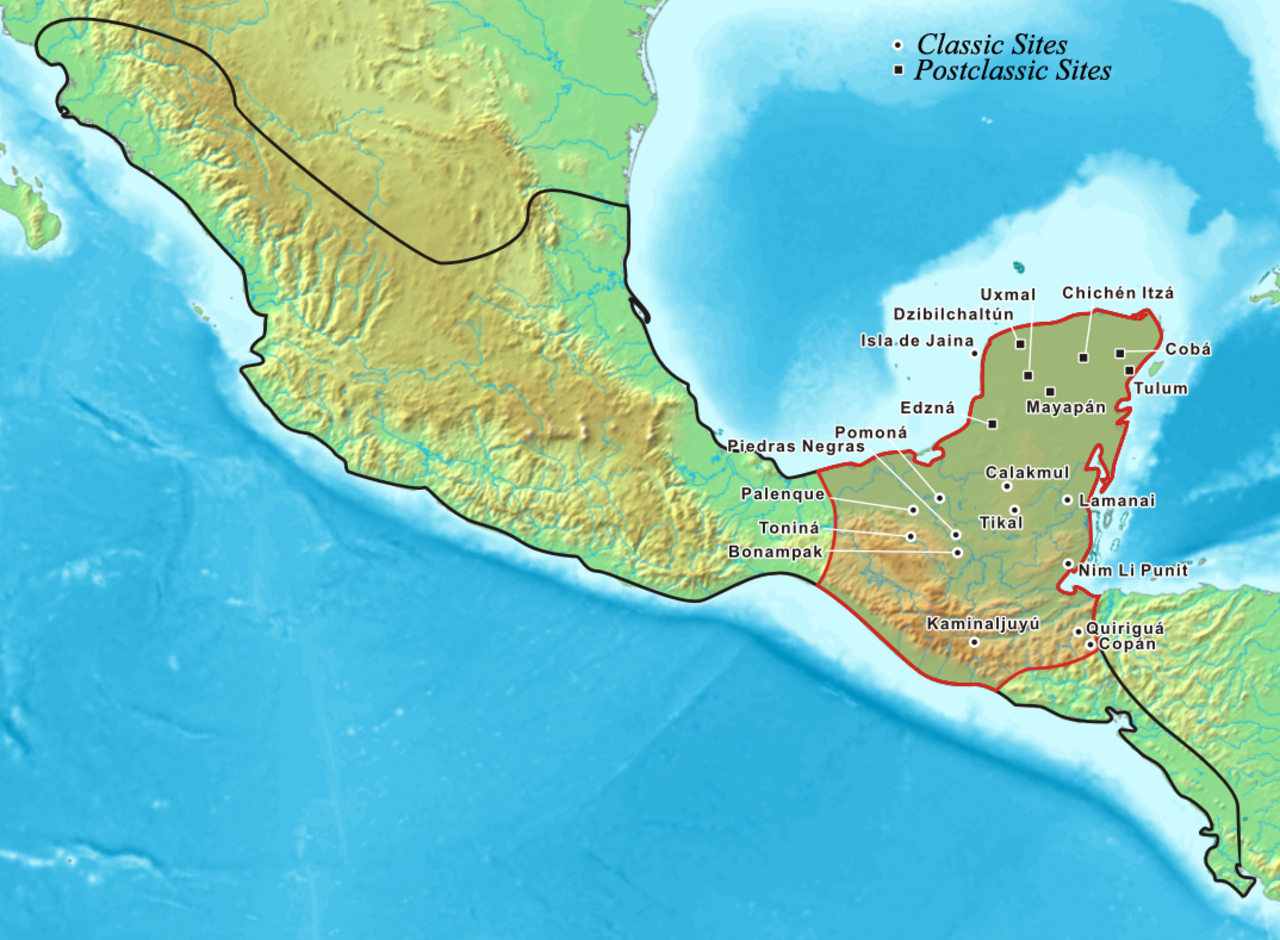
The Maya heartland spanned southeastern Mexico (Yucatán Peninsula, Chiapas, Tabasco) and northern Central America, encompassing present-day Guatemala, Belize, and parts of Honduras and El Salvador. This diverse geography, from lush rainforests to arid highlands, shaped their development and the distinct characteristics of their city-states. Major centers like Tikal, Chichen Itza, and Palenque represent the pinnacle of their urban planning and architectural prowess, drawing resources and populations from surrounding regions.
⏳ When Did the Maya Flourish?
The Maya civilization's timeline is vast, typically divided into three main periods: Preclassic (c. 2000 BCE – 250 CE), Classic (c. 250 – 900 CE), and Postclassic (c. 900 – 1521 CE). The Classic period is considered their golden age, marked by the rise of great city-states, sophisticated art, and monumental construction. While major urban centers declined around 900 CE, Maya culture persisted, adapting and evolving through the Postclassic period and into the Spanish colonial era, with Maya people and traditions continuing to this day.
✍️ The Maya Script: More Than Just Pictures
The Maya script is a true marvel, a logosyllabic system that combined logograms (symbols representing whole words) with syllabograms (symbols representing syllables). This sophisticated writing system, unlike any other in the pre-Columbian Americas, allowed them to record history, genealogy, astronomical observations, and religious beliefs with incredible detail. Deciphering these glyphs, a process that gained significant momentum in the mid-20th century, has unlocked a wealth of knowledge about Maya society, politics, and cosmology.
✨ Architectural Marvels & Urban Centers
Maya architecture is instantly recognizable, characterized by towering pyramids, elaborate palaces, ballcourts, and observatories, often adorned with intricate stucco carvings and hieroglyphic inscriptions. Cities like Tikal boast some of the tallest ancient structures in the Americas, while Palenque showcases refined artistry in its temples and sarcophagi. The sheer scale and precision of these constructions, achieved without metal tools or the wheel for transport, speak volumes about their engineering capabilities and organizational power.
🌌 Maya Astronomy & Calendar Systems
The Maya possessed an astonishingly accurate understanding of celestial movements, which they meticulously tracked and recorded. Their sophisticated calendar systems, including the 365-day Haab' and the 260-day Tzolk'in, were interwoven to create complex cycles like the Calendar Round. Their astronomical knowledge extended to predicting eclipses and charting the movements of Venus, demonstrating a profound connection between the cosmos and their earthly affairs.
🔢 Mathematics: The Power of Zero
Among their many intellectual achievements, the Maya independently developed the concept of zero, a fundamental element in mathematics. This allowed for a sophisticated positional notation system, enabling complex calculations necessary for their astronomical and calendrical systems. Their mathematical prowess was not merely theoretical; it was a practical tool that underpinned their understanding of time, space, and the universe.
🎭 Art, Ritual, and Daily Life
Maya art is renowned for its vibrant colors, dynamic compositions, and detailed depictions of rulers, deities, and daily life. From intricate jade carvings and painted pottery to monumental stelae and murals, their artistic output reflects a deep engagement with religious beliefs, political power, and social hierarchies. Rituals, including bloodletting and ballgames, played a central role in Maya society, serving to maintain cosmic order and legitimize rulership.
❓ The Maya Collapse: What Really Happened?
The 'collapse' of the Classic Maya civilization around 900 CE remains one of history's enduring mysteries, with theories ranging from environmental degradation and drought to endemic warfare and social unrest. It's crucial to understand that this was not a total disappearance but a decline of major urban centers in the southern lowlands, while Maya populations and culture continued to thrive in other regions, particularly the Yucatán Peninsula.
💡 Maya Legacy: Echoes in the Modern World
The Maya legacy is far from a relic of the past. Millions of Maya people continue to live in their ancestral lands, preserving their languages, traditions, and cultural identity. Modern Maya communities are vibrant, adapting ancient knowledge to contemporary challenges, and their contributions to art, agriculture, and social organization continue to influence the region. Their resilience and enduring cultural presence are a testament to the depth and adaptability of their civilization.
🧭 Planning Your Maya Exploration
Embarking on a journey to explore Maya sites requires careful planning. Key destinations include Tikal National Park in Guatemala, the ruins of Chichen Itza and Uxmal in Mexico's Yucatán, and the jungle-shrouded city of Palenque in Chiapas. Consider visiting during the dry season (November to April) for more comfortable exploration. Many sites offer guided tours, but independent exploration is also rewarding, especially if you've familiarized yourself with Maya history and iconography beforehand.
🌟 Vibepedia Vibe Score & Controversy
The Mayan Civilization boasts a Vibepedia Vibe Score of 88/100, reflecting its profound historical impact, enduring cultural resonance, and widespread fascination. The Controversy Spectrum for Maya civilization is moderate (45/100), primarily stemming from ongoing debates about the causes of Classic Maya societal collapse and interpretations of their religious practices. While widely admired for their intellectual achievements, some scholarly discussions touch upon the hierarchical and sometimes brutal aspects of their political systems.
Key Facts
- Year
- c. 2000 BCE – 1500 CE
- Origin
- Mesoamerica (modern-day Mexico and Central America)
- Category
- Ancient Civilizations
- Type
- Civilization
Frequently Asked Questions
What is the most famous Mayan city?
While 'most famous' is subjective, Chichen Itza in Mexico's Yucatán Peninsula is arguably the most widely recognized Mayan site, largely due to its iconic El Castillo pyramid and its status as a UNESCO World Heritage site and New7Wonders of the World. Tikal in Guatemala, with its towering temples rising above the rainforest canopy, is another exceptionally famous and awe-inspiring destination.
Did the Maya disappear?
No, the Maya people did not disappear. The decline of major Classic Maya city-states around 900 CE in the southern lowlands is often referred to as the 'Classic Maya Collapse.' However, Maya populations and culture persisted and evolved in other regions, particularly the northern Yucatán Peninsula, and millions of Maya people live in Mesoamerica today, maintaining their languages and traditions.
What was the Mayan calendar used for?
The Maya employed multiple interlocking calendars, most notably the 260-day sacred calendar and the 365-day solar calendar. These were used for a variety of purposes, including agricultural planning, religious ceremonies, divination, and recording historical events. The combination of these calendars allowed for precise tracking of time and the prediction of celestial events.
What is the significance of the Maya script?
The Maya script is the most advanced and fully developed writing system of the pre-Columbian Americas. It allowed the Maya to record their history, mythology, astronomical observations, and dynastic lineages with remarkable detail. Its decipherment has been crucial for understanding Maya civilization, revealing complex political structures, sophisticated religious beliefs, and a rich literary tradition.
What were the main achievements of the Maya?
The Maya are celebrated for numerous achievements, including their sophisticated Maya script, advanced mathematics (including the concept of zero), precise astronomical observations, complex calendar systems, and monumental architecture. Their art, pottery, and urban planning also represent significant cultural accomplishments that continue to fascinate scholars and the public alike.
What is the difference between Maya and Mayan?
Technically, 'Maya' refers to the people and their culture, while 'Mayan' is the adjective describing things related to them (e.g., Mayan language, Mayan ruins). However, in common usage, 'Mayan' is often used interchangeably with 'Maya' when referring to the civilization or its people, though purists prefer 'Maya' for the noun.