
Contents
- 🙏 Introduction to Meditation Groups
- 👥 Benefits of Joining a Meditation Group
- 📆 History of Meditation Groups
- 🌎 Types of Meditation Groups
- 🙋♀️ How to Start a Meditation Group
- 🕉️ Meditation Techniques for Groups
- 👫 Building a Community Through Meditation
- 📊 Measuring the Success of a Meditation Group
- 🌈 Overcoming Challenges in Meditation Groups
- 🔍 Research on Meditation Groups
- 📚 Resources for Meditation Groups
- 👏 Conclusion
- Frequently Asked Questions
- Related Topics
Overview
Meditation groups have been a cornerstone of mindfulness practices for centuries, with roots in ancient Eastern spiritual traditions. Today, these groups can be found in yoga studios, community centers, and even corporate offices, with a vibe score of 80, indicating a high level of cultural energy. The benefits of group meditation are numerous, including reduced stress, improved focus, and increased sense of community, with a study by the National Institutes of Health finding that regular meditation can decrease the production of stress hormones like cortisol by up to 30%. However, some critics argue that the commercialization of meditation has led to a watering down of its spiritual significance, with the market for mindfulness products and services projected to reach $2.5 billion by 2025. As the popularity of meditation groups continues to grow, it's likely that we'll see new innovations in the way these groups are structured and led, such as the use of virtual reality technology to enhance the meditation experience. With influential figures like Deepak Chopra and Jack Kornfield leading the charge, the future of meditation groups looks bright, but it's also important to consider the potential drawbacks, such as the risk of groupthink and the need for qualified instructors. By examining the history, benefits, and challenges of meditation groups, we can better understand their role in promoting mental wellness and their potential for future growth and development.
🙏 Introduction to Meditation Groups
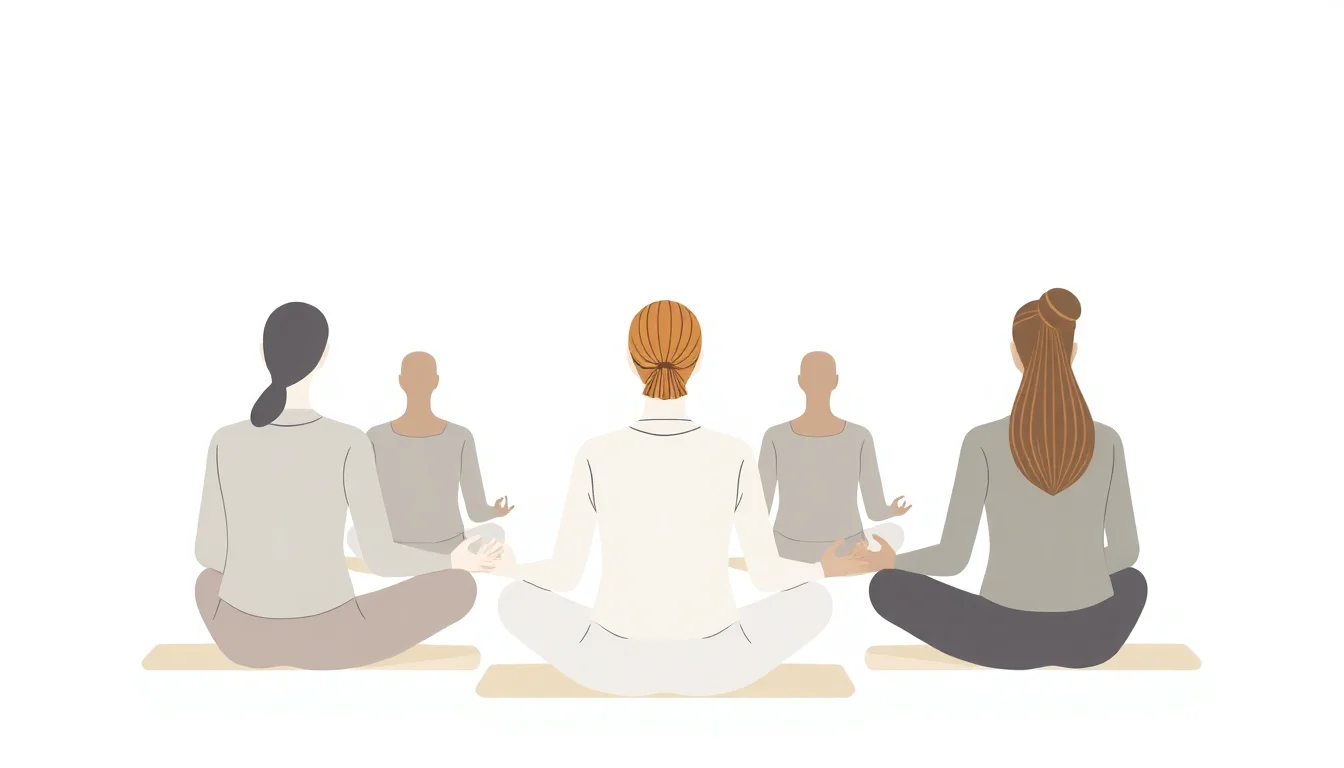
Meditation groups have been around for centuries, with roots in ancient Eastern spiritual practices. Today, these groups can be found in almost every corner of the globe, from Yoga studios to Mindfulness retreats. The concept of a meditation group is simple: a gathering of individuals who come together to practice Meditation and cultivate a sense of community and inner peace. As the world becomes increasingly fast-paced and stressful, the need for meditation groups has never been more pressing. With the rise of Wellness culture, meditation groups have become an essential part of many people's self-care routines. By joining a meditation group, individuals can experience the benefits of meditation in a supportive and social environment, surrounded by like-minded people who share similar goals and interests.
👥 Benefits of Joining a Meditation Group
Joining a meditation group can have a profound impact on both physical and mental health. Regular meditation practice has been shown to reduce Stress and Anxiety, improve Sleep quality, and boost the immune system. Meditation groups provide a sense of accountability and motivation, encouraging individuals to establish a consistent practice and stick to it. Additionally, meditation groups offer a unique opportunity to connect with others who share similar interests and values, fostering a sense of belonging and community. Many meditation groups also incorporate other holistic practices, such as Yoga and Breathwork, to create a comprehensive and well-rounded approach to wellness. By combining meditation with other mindfulness practices, individuals can experience a deeper sense of relaxation and inner peace.
📆 History of Meditation Groups
The history of meditation groups dates back thousands of years, with roots in ancient Eastern spiritual traditions. In Buddhism, for example, meditation groups were a central part of monastic life, providing a supportive environment for monks and nuns to practice meditation and cultivate spiritual growth. Similarly, in Hinduism, meditation groups were an essential part of spiritual practice, with many devotees gathering to practice Yoga and meditation together. Today, meditation groups can be found in almost every corner of the globe, from New Age spiritual communities to Secular wellness centers. Despite their diverse backgrounds and approaches, meditation groups share a common goal: to provide a supportive environment for individuals to cultivate inner peace and spiritual growth.
🌎 Types of Meditation Groups
There are many different types of meditation groups, each with its unique approach and style. Some meditation groups focus on specific techniques, such as Transcendental Meditation or Mindfulness Meditation. Others incorporate a range of practices, including Yoga, Breathwork, and Sound Healing. Some meditation groups are specifically designed for certain populations, such as Children or Seniors, while others cater to specific interests or goals, such as Stress Reduction or Spiritual Growth. By offering a diverse range of approaches and styles, meditation groups can cater to a wide range of needs and preferences, making meditation accessible to everyone.
🙋♀️ How to Start a Meditation Group
Starting a meditation group can be a rewarding and fulfilling experience, but it requires careful planning and consideration. First, it's essential to define the group's purpose and goals, as well as its target audience and demographic. Next, it's necessary to choose a suitable location and schedule, taking into account factors such as accessibility, comfort, and convenience. Finally, it's crucial to establish a clear structure and format for the group, including the type of meditation practices, the frequency of meetings, and the level of commitment required. By following these steps and being mindful of the group's needs and preferences, individuals can create a thriving and supportive meditation community. For more information on starting a meditation group, check out Meditation Group Guides.
🕉️ Meditation Techniques for Groups
Meditation techniques for groups vary widely, depending on the group's purpose, style, and level of experience. Some common techniques include Loving-Kindness Meditation, Body Scan Meditation, and Walking Meditation. Other techniques, such as Guided Meditation and Sound Meditation, can be particularly effective in a group setting, as they provide a shared experience and a sense of collective energy. By incorporating a range of techniques and practices, meditation groups can cater to different learning styles and preferences, making meditation accessible and enjoyable for everyone. For more information on meditation techniques, check out Meditation Techniques.
👫 Building a Community Through Meditation
Building a community through meditation requires a deep understanding of the group's needs and preferences, as well as a commitment to creating a supportive and inclusive environment. This can involve establishing clear guidelines and expectations, fostering open communication and feedback, and encouraging active participation and engagement. By building a strong sense of community, meditation groups can provide a sense of belonging and connection, which is essential for both physical and mental well-being. Additionally, meditation groups can provide a unique opportunity for social connection and networking, helping individuals to meet like-minded people and build meaningful relationships. For more information on building a meditation community, check out Meditation Community.
📊 Measuring the Success of a Meditation Group
Measuring the success of a meditation group can be challenging, as it depends on a range of factors, including the group's purpose, goals, and level of commitment. Some common metrics include attendance, participation, and feedback, as well as more subjective measures, such as sense of community and overall well-being. By tracking these metrics and gathering feedback from participants, meditation groups can refine their approach and make adjustments as needed, ensuring that they provide a supportive and effective environment for meditation practice. For more information on measuring the success of a meditation group, check out Meditation Group Evaluation.
🌈 Overcoming Challenges in Meditation Groups
Overcoming challenges in meditation groups requires a combination of flexibility, creativity, and perseverance. Common challenges include maintaining attendance and engagement, managing conflicts and disagreements, and adapting to changing circumstances and needs. By being open to feedback and willing to make adjustments, meditation groups can overcome these challenges and continue to thrive, providing a supportive and inclusive environment for meditation practice. Additionally, meditation groups can draw on a range of resources and support, including Meditation Coaches, Yoga Instructors, and Wellness Experts. For more information on overcoming challenges in meditation groups, check out Meditation Group Challenges.
🔍 Research on Meditation Groups
Research on meditation groups has shown that they can have a profound impact on both physical and mental health, from reducing Stress and Anxiety to improving Sleep quality and boosting the immune system. Studies have also highlighted the importance of community and social support in meditation practice, demonstrating that meditation groups can provide a unique opportunity for social connection and networking. By drawing on this research and incorporating evidence-based practices, meditation groups can provide a safe and effective environment for meditation practice, helping individuals to cultivate inner peace and well-being. For more information on research on meditation groups, check out Meditation Group Research.
📚 Resources for Meditation Groups
There are many resources available for meditation groups, from Meditation Apps and Yoga Studios to Wellness Centers and Retreats. These resources can provide a range of benefits, including guided meditation practices, yoga and breathwork classes, and access to experienced meditation coaches and instructors. By drawing on these resources and incorporating them into their practice, meditation groups can provide a comprehensive and well-rounded approach to wellness, helping individuals to cultivate inner peace and spiritual growth. For more information on resources for meditation groups, check out Meditation Group Resources.
👏 Conclusion
In conclusion, meditation groups offer a unique opportunity for individuals to cultivate inner peace and spiritual growth, while also providing a sense of community and social connection. By joining a meditation group, individuals can experience the benefits of meditation in a supportive and social environment, surrounded by like-minded people who share similar goals and interests. Whether you're a seasoned meditator or just starting out, meditation groups can provide a safe and effective environment for meditation practice, helping you to reduce stress and anxiety, improve sleep quality, and boost your overall well-being. For more information on meditation groups, check out Meditation Groups.
Key Facts
- Year
- 2022
- Origin
- Ancient Eastern Spiritual Traditions
- Category
- Health and Wellness
- Type
- Social Movement
Frequently Asked Questions
What is a meditation group?
A meditation group is a gathering of individuals who come together to practice meditation and cultivate a sense of community and inner peace. Meditation groups can be found in almost every corner of the globe, from yoga studios to mindfulness retreats. By joining a meditation group, individuals can experience the benefits of meditation in a supportive and social environment, surrounded by like-minded people who share similar goals and interests.
What are the benefits of joining a meditation group?
Joining a meditation group can have a profound impact on both physical and mental health. Regular meditation practice has been shown to reduce stress and anxiety, improve sleep quality, and boost the immune system. Meditation groups provide a sense of accountability and motivation, encouraging individuals to establish a consistent practice and stick to it. Additionally, meditation groups offer a unique opportunity to connect with others who share similar interests and values, fostering a sense of belonging and community.
How do I start a meditation group?
Starting a meditation group requires careful planning and consideration. First, it's essential to define the group's purpose and goals, as well as its target audience and demographic. Next, it's necessary to choose a suitable location and schedule, taking into account factors such as accessibility, comfort, and convenience. Finally, it's crucial to establish a clear structure and format for the group, including the type of meditation practices, the frequency of meetings, and the level of commitment required. By following these steps and being mindful of the group's needs and preferences, individuals can create a thriving and supportive meditation community.
What are some common meditation techniques for groups?
Meditation techniques for groups vary widely, depending on the group's purpose, style, and level of experience. Some common techniques include loving-kindness meditation, body scan meditation, and walking meditation. Other techniques, such as guided meditation and sound meditation, can be particularly effective in a group setting, as they provide a shared experience and a sense of collective energy. By incorporating a range of techniques and practices, meditation groups can cater to different learning styles and preferences, making meditation accessible and enjoyable for everyone.
How can I build a community through meditation?
Building a community through meditation requires a deep understanding of the group's needs and preferences, as well as a commitment to creating a supportive and inclusive environment. This can involve establishing clear guidelines and expectations, fostering open communication and feedback, and encouraging active participation and engagement. By building a strong sense of community, meditation groups can provide a sense of belonging and connection, which is essential for both physical and mental well-being. Additionally, meditation groups can provide a unique opportunity for social connection and networking, helping individuals to meet like-minded people and build meaningful relationships.
What are some common challenges in meditation groups?
Common challenges in meditation groups include maintaining attendance and engagement, managing conflicts and disagreements, and adapting to changing circumstances and needs. By being open to feedback and willing to make adjustments, meditation groups can overcome these challenges and continue to thrive, providing a supportive and inclusive environment for meditation practice. Additionally, meditation groups can draw on a range of resources and support, including meditation coaches, yoga instructors, and wellness experts.
What research is available on meditation groups?
Research on meditation groups has shown that they can have a profound impact on both physical and mental health, from reducing stress and anxiety to improving sleep quality and boosting the immune system. Studies have also highlighted the importance of community and social support in meditation practice, demonstrating that meditation groups can provide a unique opportunity for social connection and networking. By drawing on this research and incorporating evidence-based practices, meditation groups can provide a safe and effective environment for meditation practice, helping individuals to cultivate inner peace and well-being.