
Contents
Overview
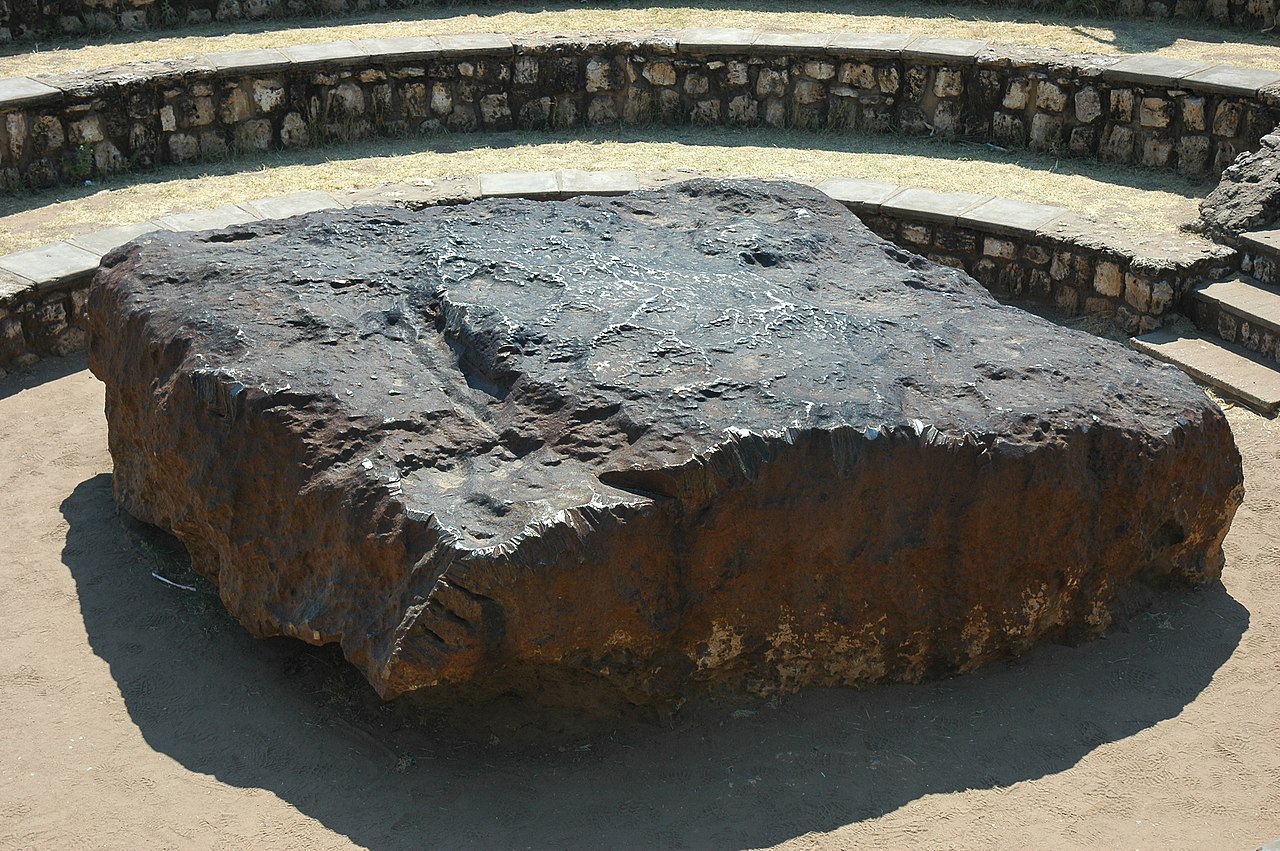
A meteorite is a fragment of a meteoroid that has survived its passage through the Earth's atmosphere and landed on the planet's surface. With over 60,000 known meteorites, these space rocks provide valuable insights into the formation and evolution of the solar system. The largest meteorite ever found is the Hoba meteorite, weighing over 66 tons, while the most valuable is the Murchison meteorite, which contains extraterrestrial amino acids. Meteorites can be classified into three main types: stony, iron, and stony-iron, each with its unique composition and characteristics. The study of meteorites has led to significant advances in our understanding of the solar system, including the discovery of water on Mars and the origins of life on Earth. With a vibe rating of 8, meteorites continue to fascinate scientists and collectors alike, with many considering them a window into the universe's past.
🌌 Introduction to Meteorites
Meteorites are rocks that originated in outer space and have fallen to the surface of a planet or moon, providing valuable insights into the formation and evolution of our solar system. For Astronomers and Geologists, the study of meteorites is crucial in understanding the Solar System's history. Meteorites can be classified into different types, including stony, iron, and stony-iron meteorites, each with unique characteristics and compositions. The Meteorite Hunting community is also active in searching for and recovering meteorites, which can be a challenging and rewarding experience. With the help of Telescopes and other technologies, scientists can track and predict Meteor Showers and Meteorite Falls.
📍 Origin and Formation
The origin and formation of meteorites are still not fully understood, but scientists believe that they are remnants of the early solar system, formed through the Accretion of dust and gas in the Solar Nebula. As the original object enters the atmosphere, it heats up and radiates energy, becoming a Meteor and forming a fireball, also known as a shooting star. Astronomers call the brightest examples 'Bolides'. The study of Meteorite Formation is an active area of research, with scientists using computer simulations and laboratory experiments to recreate the conditions under which meteorites formed. By studying Meteorites and their composition, scientists can gain insights into the Early Solar System and the processes that shaped it. The Planetary Science community is also interested in the study of meteorites, as they can provide clues about the formation and evolution of planets.
🔍 Types of Meteorites
There are several types of meteorites, each with unique characteristics and compositions. Stony meteorites, for example, are the most common type and are composed of Silicate Minerals. Iron meteorites, on the other hand, are composed primarily of iron and nickel, and are thought to be the remains of the cores of Asteroids. Stony-iron meteorites are a combination of the two and are composed of a mixture of silicate minerals and iron. The study of Meteorite Classification is important for understanding the diversity of meteorites and their origins. By analyzing the composition and structure of meteorites, scientists can gain insights into the Geological History of the solar system. The Geochemistry of meteorites is also an important area of study, as it can provide clues about the conditions under which they formed.
🌊 Size and Impact
Meteorites vary greatly in size, from small rocks to large boulders. For geologists, a bolide is a meteorite large enough to create an impact crater. The largest meteorite ever found is the Hoba Meteorite, which weighs over 66 tons and is estimated to have fallen to Earth around 80,000 years ago. The study of Impact Craters is an important area of research, as it can provide clues about the geological history of a planet or moon. By analyzing the size and composition of meteorites, scientists can gain insights into the Asteroid Belt and the Comet Population. The Space Exploration community is also interested in the study of meteorites, as they can provide clues about the hazards and risks associated with space travel.
🔬 Composition and Structure
The composition and structure of meteorites are also of great interest to scientists. Meteorites are composed of a variety of minerals, including Olivine, Pyroxene, and Plagioclase. The study of Meteorite Composition is important for understanding the geological history of the solar system. By analyzing the structure of meteorites, scientists can gain insights into the Thermal History of the solar system. The Mineralogy of meteorites is also an important area of study, as it can provide clues about the conditions under which they formed. The Petrology of meteorites is also of great interest, as it can provide insights into the geological processes that shaped the solar system.
🌈 Meteorite Falls and Recovery
Meteorite falls and recovery are also important areas of study. When a meteorite falls to Earth, it can provide scientists with a unique opportunity to study a piece of the solar system up close. The Meteorite Recovery process involves tracking and predicting meteorite falls, as well as searching for and recovering meteorites after they have fallen. The Meteorite Hunting community is also active in searching for and recovering meteorites, which can be a challenging and rewarding experience. By studying Meteorite Falls, scientists can gain insights into the Solar System Dynamics and the Asteroid Population. The Space Weather community is also interested in the study of meteorite falls, as they can provide clues about the hazards and risks associated with space travel.
📊 Notable Meteorites
There are several notable meteorites that have been found and studied over the years. The Murchison Meteorite, for example, is a stony meteorite that fell to Earth in 1969 and is one of the most well-studied meteorites in the world. The Chelyabinsk Meteorite is another notable example, which exploded over Russia in 2013 and is one of the largest meteorites to have fallen to Earth in recent history. The study of Notable Meteorites is important for understanding the diversity of meteorites and their origins. By analyzing the composition and structure of notable meteorites, scientists can gain insights into the Geological History of the solar system. The Meteorite Collection at the Natural History Museum is also an important resource for scientists and the general public.
👥 Research and Study
The research and study of meteorites are active areas of research, with scientists using a variety of techniques to analyze and understand meteorites. The Meteorite Research community is also interested in the study of meteorites, as they can provide clues about the formation and evolution of the solar system. By studying Meteorites, scientists can gain insights into the Early Solar System and the processes that shaped it. The Planetary Science community is also interested in the study of meteorites, as they can provide clues about the formation and evolution of planets. The Geochemistry of meteorites is also an important area of study, as it can provide clues about the conditions under which they formed.
💡 Cultural Significance
Meteorites also have cultural significance, with many societies throughout history having a fascination with meteorites and their origins. The Cultural Significance of Meteorites is an important area of study, as it can provide insights into the Human Experience and the Societal Impact of meteorites. By studying the cultural significance of meteorites, scientists can gain insights into the Anthropology of meteorites and the Sociology of meteorite hunting. The Meteorite Hunting community is also active in searching for and recovering meteorites, which can be a challenging and rewarding experience.
📚 Further Reading and Resources
For those interested in learning more about meteorites, there are many resources available. The Meteorite Museum is a great place to start, with many exhibits and displays showcasing meteorites from around the world. The Meteorite Research Institute is also a great resource, with many scientists and researchers working to study and understand meteorites. By studying Meteorites, scientists can gain insights into the Geological History of the solar system and the Solar System Dynamics. The Space Exploration community is also interested in the study of meteorites, as they can provide clues about the hazards and risks associated with space travel.
Key Facts
- Year
- Prehistoric
- Origin
- Outer Space
- Category
- Geology, Astronomy
- Type
- Natural Phenomenon
Frequently Asked Questions
What is a meteorite?
A meteorite is a rock that originated in outer space and has fallen to the surface of a planet or moon. Meteorites can provide valuable insights into the formation and evolution of our solar system. The study of Meteorites is crucial in understanding the Solar System's history. By analyzing the composition and structure of meteorites, scientists can gain insights into the Geological History of the solar system. The Geochemistry of meteorites is also an important area of study, as it can provide clues about the conditions under which they formed.
How are meteorites formed?
Meteorites are formed through the accretion of dust and gas in the solar nebula. As the original object enters the atmosphere, it heats up and radiates energy, becoming a meteor and forming a fireball, also known as a shooting star. The study of Meteorite Formation is an active area of research, with scientists using computer simulations and laboratory experiments to recreate the conditions under which meteorites formed. By studying Meteorites and their composition, scientists can gain insights into the Early Solar System and the processes that shaped it.
What are the different types of meteorites?
There are several types of meteorites, including stony, iron, and stony-iron meteorites. Stony meteorites are the most common type and are composed of silicate minerals. Iron meteorites are composed primarily of iron and nickel, and are thought to be the remains of the cores of asteroids. The study of Meteorite Classification is important for understanding the diversity of meteorites and their origins. By analyzing the composition and structure of meteorites, scientists can gain insights into the Geological History of the solar system.
How big can meteorites be?
Meteorites can vary greatly in size, from small rocks to large boulders. The largest meteorite ever found is the Hoba meteorite, which weighs over 66 tons and is estimated to have fallen to Earth around 80,000 years ago. The study of Impact Craters is an important area of research, as it can provide clues about the geological history of a planet or moon. By analyzing the size and composition of meteorites, scientists can gain insights into the Asteroid Belt and the Comet Population.
Where can I learn more about meteorites?
There are many resources available for learning more about meteorites. The Meteorite Museum is a great place to start, with many exhibits and displays showcasing meteorites from around the world. The Meteorite Research Institute is also a great resource, with many scientists and researchers working to study and understand meteorites. By studying Meteorites, scientists can gain insights into the Geological History of the solar system and the Solar System Dynamics. The Space Exploration community is also interested in the study of meteorites, as they can provide clues about the hazards and risks associated with space travel.
What is the cultural significance of meteorites?
Meteorites have cultural significance, with many societies throughout history having a fascination with meteorites and their origins. The cultural significance of meteorites is an important area of study, as it can provide insights into the human experience and the societal impact of meteorites. By studying the cultural significance of meteorites, scientists can gain insights into the anthropology of meteorites and the sociology of meteorite hunting. The Meteorite Hunting community is also active in searching for and recovering meteorites, which can be a challenging and rewarding experience.
How can I get involved in meteorite research?
There are many ways to get involved in meteorite research, from volunteering at a meteorite museum to participating in a meteorite hunting expedition. The Meteorite Research Institute is also a great resource, with many scientists and researchers working to study and understand meteorites. By studying Meteorites, scientists can gain insights into the Geological History of the solar system and the Solar System Dynamics. The Space Exploration community is also interested in the study of meteorites, as they can provide clues about the hazards and risks associated with space travel.