
Contents
Overview
Miss Major Griffin-Gracy was a towering figure in the fight for transgender rights and Black liberation. A survivor of the 1969 Stonewall Uprising, she dedicated her life to activism, community organizing, and amplifying the voices of marginalized transgender and gender non-conforming individuals, particularly those of color and those impacted by the prison industrial complex. As the first executive director of the Transgender Gender Variant Intersex Justice Project (TGIJP), she championed radical self-care and mutual aid, challenging systemic oppression with unwavering resolve. Her memoir, "Miss Major Speaks: Conversations with a Black Trans Revolutionary," cemented her legacy as a vital storyteller and revolutionary thinker, offering profound insights into decades of queer and trans resistance.
🎵 Origins & History
Miss Major Griffin-Gracy’s early life was marked by hardship and resilience. She was a key participant in the 1969 Stonewall Uprising, a watershed moment in the LGBTQ+ rights movement, where she famously declared, "I felt like I was in the revolution." This experience ignited a lifelong commitment to direct action and community building. Her journey led her through various roles, including as a social worker and an organizer. Her activism wasn't confined to single events; it was a sustained, deeply personal commitment to liberation that influenced generations of activists who followed in her footsteps.
⚙️ How It Works
Miss Major's approach to activism was rooted in a philosophy of radical self-care and community accountability, often referred to as "radical softness." She believed that true liberation required not only dismantling oppressive systems but also fostering internal healing and collective support. This manifested in her work with organizations like the TGI Justice Project, where she served as Executive Director, providing resources and advocacy for incarcerated and formerly incarcerated trans individuals. Her methods emphasized mutual aid, harm reduction, and the creation of safe spaces, challenging the often-militarized or assimilationist tactics seen in other social justice movements. She saw the interconnectedness of racial justice, economic justice, and trans liberation, weaving these threads into a cohesive vision for a more equitable world.
📊 Key Facts & Numbers
Miss Major Griffin-Gracy’s impact is quantifiable through several key metrics. Her memoir, "Miss Major Speaks: Conversations with a Black Trans Revolutionary," published by Verso Books in 2023, became a bestseller, reaching thousands of readers. She served as the Executive Director of the TGI Justice Project for over a decade, an organization that has supported thousands of trans individuals navigating the complexities of the prison system. Her work has been featured in over 15 oral history collections and academic texts, including "Captive Genders: Trans Embodiment and the Prison Industrial Complex" and "The Stonewall Reader." She passed away on October 13, 2025, at the age of 84, leaving behind a profound legacy.
👥 Key People & Organizations
Key figures and organizations profoundly shaped and were shaped by Miss Major Griffin-Gracy's work. She was a close confidante and collaborator with many trans activists and artists, including Marsha P. Johnson and Sylvia Rivera, fellow pioneers who emerged from the Stonewall riots. Her leadership at the TGI Justice Project provided a critical lifeline for countless individuals within the prison industrial complex. Her memoir was published by Verso Books, a prominent independent publisher known for its radical political and social commentary. She was also recognized with the Acey Social Justice Feminist Award, highlighting her significant contributions to feminist and social justice movements.
🌍 Cultural Impact & Influence
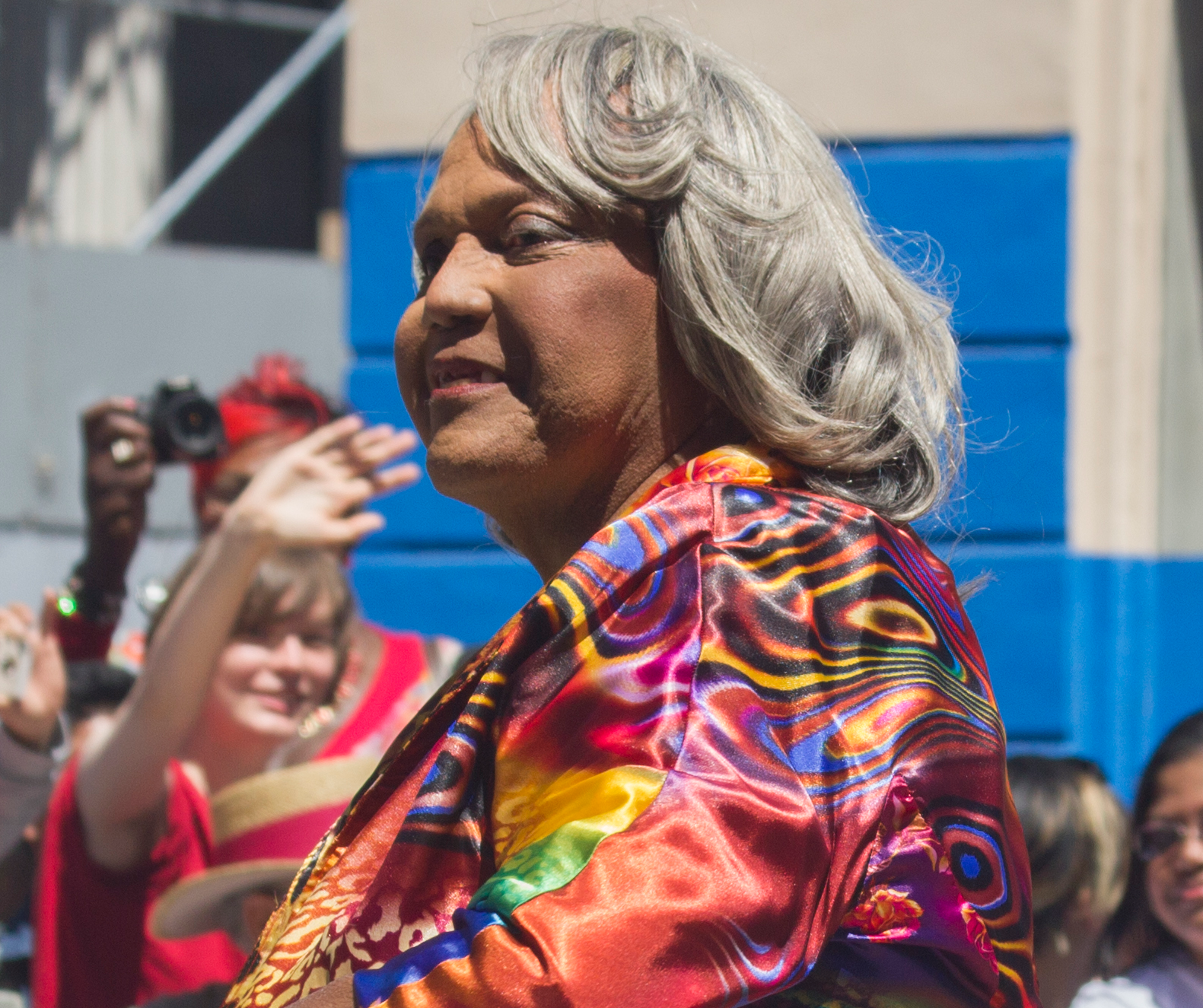
Miss Major Griffin-Gracy's cultural impact is immeasurable, resonating deeply within [[lgbtq-culture|LGBTQ+] communities and beyond. She became an icon of resilience and unapologetic Black trans womanhood, inspiring countless artists, writers, and activists. Her presence at events like Pride parades, notably in San Francisco in 2014, became symbolic of the ongoing struggle for visibility and justice. Her participation in the Stonewall Uprising provided a crucial living link to a foundational moment in queer history, ensuring that the radical spirit of that rebellion was not forgotten. Her philosophy of "radical softness" has influenced contemporary discussions on trauma-informed care and mutual aid within social justice circles, offering a powerful counterpoint to more confrontational activism.
⚡ Current State & Latest Developments
In the immediate aftermath of her passing on October 13, 2025, the focus has been on preserving and amplifying Miss Major's legacy. The missmajor.net website continues to serve as a hub for her teachings and resources, while organizations like the TGI Justice Project carry forward her mission. Discussions are ongoing regarding the establishment of a permanent archive of her work and the potential for educational programs based on her philosophies. The continued sale and translation of her memoir, "Miss Major Speaks," indicate a sustained interest in her life and activism, ensuring her voice reaches new audiences globally.
🤔 Controversies & Debates
The most significant debate surrounding Miss Major Griffin-Gracy centers on the interpretation and application of her "radical softness" philosophy. While widely celebrated, some critics question whether such an approach is sufficient to combat the systemic violence and oppression faced by transgender individuals, particularly those of color. Conversely, proponents argue that her emphasis on internal healing and community resilience is a necessary, albeit challenging, foundation for sustainable liberation, providing a crucial counter-narrative to burnout and despair often associated with activist work. Another point of discussion involves the commodification of her image and legacy, with debates arising about how to honor her memory authentically without diluting the radical politics she embodied, especially in the context of mainstream [[lgbtq-rights|LGBTQ+] advocacy.
🔮 Future Outlook & Predictions
The future outlook for Miss Major Griffin-Gracy's legacy is one of continued influence and adaptation. Her emphasis on self-care and community accountability is likely to become even more critical as social justice movements grapple with burnout and the long-term impacts of systemic oppression. The TGI Justice Project and similar organizations will continue to be vital in advocating for incarcerated and marginalized trans individuals, carrying forward her direct-action approach. Furthermore, her memoir and writings are poised to become essential texts in gender studies and activism theory curricula, inspiring future generations to engage in transformative justice work. The ongoing fight for transgender rights globally will undoubtedly draw upon her foundational principles and unwavering commitment to liberation.
💡 Practical Applications
Miss Major Griffin-Gracy's work offers practical applications for individuals and organizations committed to social justice. Her philosophy of "radical softness" provides a framework for building resilient communities, emphasizing empathy, mutual support, and emotional well-being as essential components of activism. The strategies employed by the TGI Justice Project in advocating for incarcerated transgender individuals offer models for legal and social support services. Her emphasis on harm reduction and sex worker rights provides actionable insights for public health initiatives and policy reform. Furthermore, her memoir serves as a practical guide to understanding the historical context of trans activism and the ongoing struggles for liberation, offering lessons in strategic organizing and personal empowerment.
Key Facts
- Category
- movements
- Type
- topic