
Contents
- 📍 Introduction to Navigation Techniques
- 🚣♀️ Types of Navigation
- 🗺️ Key Concepts in Navigation
- 📍 Location and Positioning
- 📊 Measurement and Calculation
- 🚀 Advanced Navigation Techniques
- 🤔 Challenges in Navigation
- 📚 Resources for Navigation
- 👥 Community and Networking
- 📈 Getting Started with Navigation
- 📊 Tips and Best Practices
- 📄 Conclusion and Further Reading
- Frequently Asked Questions
- Related Topics
Overview
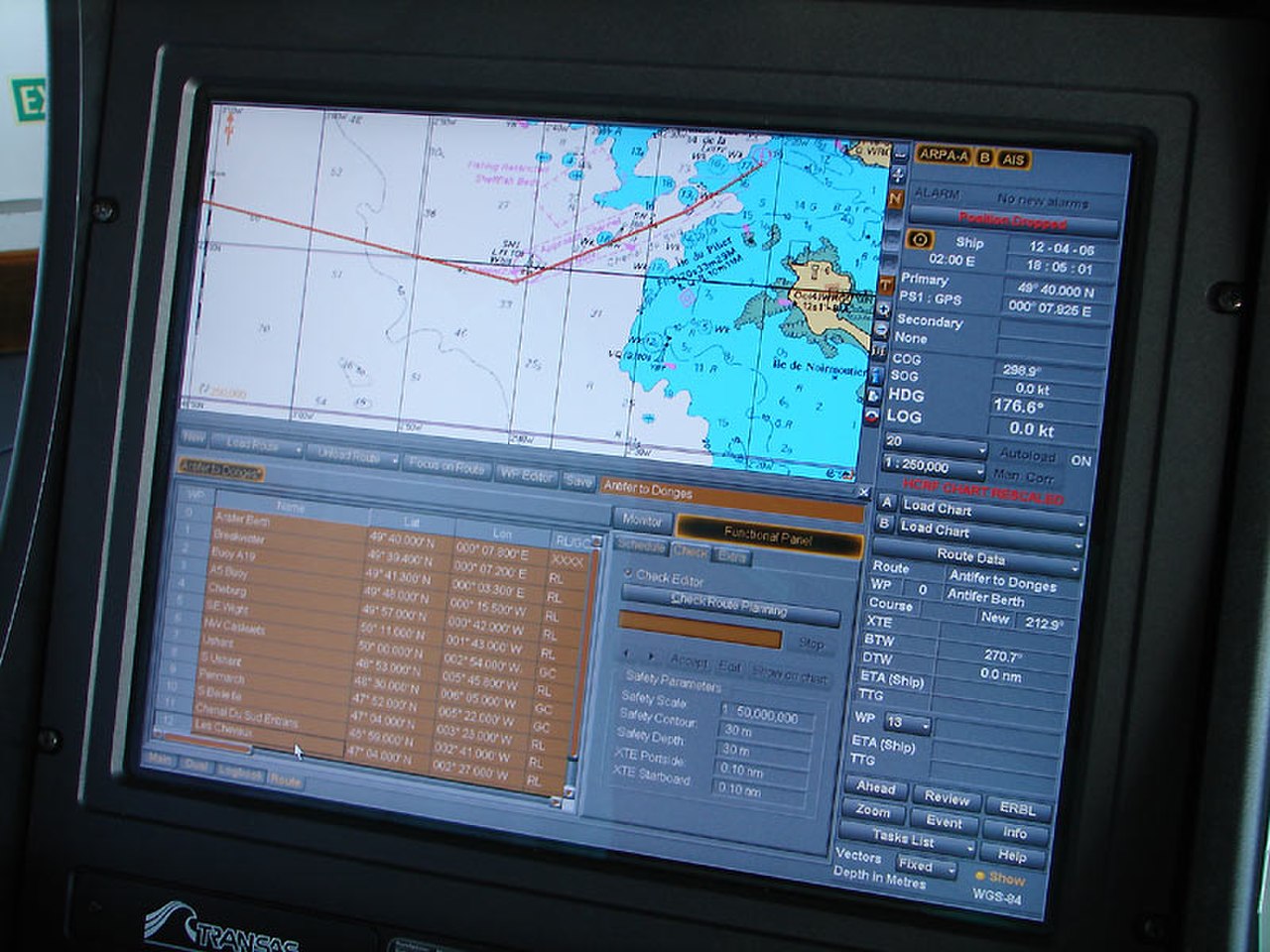
Navigation techniques have evolved significantly over time, from ancient methods like celestial navigation and dead reckoning to modern technologies like GPS and augmented reality. The development of new navigation tools has been shaped by the work of pioneers like Ferdinand Magellan and Matthew Fontaine Maury, who mapped the world's oceans and atmosphere. Today, navigation techniques are used in a wide range of fields, including aviation, maritime, and outdoor recreation. With the rise of digital navigation, people can now access a vast array of tools and resources to help them find their way, including online mapping platforms and mobile apps like Google Maps and Waze. However, the increasing reliance on digital navigation has also raised concerns about the loss of traditional navigation skills and the potential for technological failures. As navigation techniques continue to evolve, it's likely that we'll see the development of new technologies that combine the best of traditional and digital methods, such as wearable devices that use GPS and sensor data to provide personalized navigation assistance.
📍 Location and Positioning
Location and positioning are critical components of navigation. Navigators must be able to determine their exact location, as well as the location of their destination, in order to plan their route and stay on course. This can be done using a variety of techniques, including triangulation and dead reckoning. GPS technology has made it easier than ever to determine one's location, but navigators must still be able to use traditional navigation techniques in case of an emergency. For example, celestial navigation can be used to determine one's location using the position of the sun, moon, and stars.
📊 Measurement and Calculation
Measurement and calculation are essential skills for navigators. Navigators must be able to measure distances and angles, and to use that information to calculate their position and direction. This requires a strong understanding of trigonometry and geometry, as well as the ability to use navigation software and other tools. Navigators must also be able to use statistics and probability to analyze data and make informed decisions. For example, weather forecasting can be used to predict weather patterns and plan navigation routes accordingly.
👥 Community and Networking
The navigation community is a vibrant and active one, with many forums and social media groups dedicated to navigation. Navigators can also connect with other navigators through meetup groups and events, such as navigation rallies and geocaching events. mentorship programs are also available, which can provide guidance and support for new navigators. For example, the National Geographic offers a range of navigation resources and training programs.
📊 Tips and Best Practices
There are many tips and best practices for navigators, including always carrying a map and compass, and knowing how to use a GPS device. Navigators should also always let someone know their plans and estimated return time, and be prepared for emergencies by carrying a first aid kit and other emergency supplies. staying hydrated and staying warm are also essential for navigators, especially in extreme environments.
📄 Conclusion and Further Reading
In conclusion, navigation techniques are essential for anyone who wants to explore the world. With the help of GPS technology and other tools, navigation has become more accessible and accurate than ever before. However, navigators must still be able to use traditional navigation techniques in case of an emergency, and must always be prepared for the unexpected. For further reading, check out books such as The Art of Navigation and Navigation for Dummies.
Key Facts
- Year
- 2022
- Origin
- Ancient Civilizations
- Category
- Technology and Exploration
- Type
- Concept
Frequently Asked Questions
What is navigation?
Navigation is the process of monitoring and controlling the movement of a craft or vehicle from one place to another. It involves determining the navigator's position and direction, and using that information to plan their route and stay on course. Navigation can be used in a variety of contexts, including land navigation, marine navigation, aeronautic navigation, and space navigation.
What are the different types of navigation?
There are several types of navigation, including land navigation, marine navigation, aeronautic navigation, and space navigation. Each type of navigation has its own unique challenges and requirements, and navigators must be able to use a variety of techniques and tools to determine their position and direction. For example, celestial navigation can be used to determine one's location using the position of the sun, moon, and stars.
What is GPS technology?
GPS technology, or Global Positioning System technology, is a network of satellites that provide location information to GPS receivers on the ground. GPS technology is widely used in navigation, and has made it easier than ever to determine one's location and direction. However, GPS technology is not always available, and navigators must still be able to use traditional navigation techniques in case of an emergency. For example, inertial navigation can be used to determine one's location and direction using a combination of sensors and algorithms.
What are some tips for navigators?
There are many tips for navigators, including always carrying a map and compass, and knowing how to use a GPS device. Navigators should also always let someone know their plans and estimated return time, and be prepared for emergencies by carrying a first aid kit and other emergency supplies.
What are some resources for navigators?
There are many resources available for navigators, including books and online courses. Navigators can also join clubs and organizations to connect with other navigators and stay up-to-date on the latest techniques and technologies. conferences and workshops are also a great way to learn from experts and network with other professionals.
What is the importance of navigation in everyday life?
Navigation is essential in everyday life, as it allows us to determine our position and direction, and to plan our route and stay on course. Navigation is used in a variety of contexts, including land navigation, marine navigation, aeronautic navigation, and space navigation. Without navigation, we would not be able to travel safely and efficiently, and many industries such as aviation and shipping would not be possible.
How does navigation impact the economy?
Navigation has a significant impact on the economy, as it allows for the safe and efficient transportation of goods and people. The GPS industry alone is worth billions of dollars, and navigation is used in a variety of industries such as aviation, shipping, and logistics. Navigation also creates jobs and stimulates economic growth, as it enables the development of new industries and technologies.