
Contents
- 🎵 Origins & History
- ⚙️ How It Works
- 📊 Key Facts & Numbers
- 👥 Key People & Organizations
- 🌍 Cultural Impact & Influence
- ⚡ Current State & Latest Developments
- 🤔 Controversies & Debates
- 🔮 Future Outlook & Predictions
- 💡 Practical Applications
- 📚 Related Topics & Deeper Reading
- Frequently Asked Questions
- References
- Related Topics
Overview
The genesis of Olympic Solidarity can be traced back to the IOC's recognition in the mid-20th century that the Olympic Games, while a global spectacle, often benefited nations with established sporting infrastructure disproportionately. The formal establishment of Olympic Solidarity occurred in 1985, building upon earlier IOC initiatives aimed at assisting developing NOCs. This program was conceived as a direct mechanism to redistribute a portion of the revenue generated by the Olympic Games back to the National Olympic Committees. The underlying philosophy was to ensure that the spirit of Olympism, which champions universality and inclusivity, was not undermined by economic disparities between nations. Early efforts focused on providing basic equipment and training grants, laying the groundwork for the comprehensive program that exists today.
⚙️ How It Works
Olympic Solidarity operates through a multi-year plan, typically aligning with the Olympic cycle, which outlines specific programs and funding allocations. The program is primarily funded by a percentage of the revenue generated from the broadcast rights and TOP (The Olympic Partner) sponsorship programs of the Olympic Games. These funds are then distributed to NOCs through various channels, including continental associations and direct grants. Key programs include the 'Athlete Program,' which provides financial assistance to athletes preparing for the Olympic Games; the 'NOC Relations Program,' supporting administrative and governance development within NOCs; and the 'Olympic Solidarity Fund,' which offers grants for training, coaching education, and sports development initiatives. The IOC's Olympic Solidarity Commission oversees the strategic direction and allocation of these funds, ensuring alignment with the Olympic Agenda 2020+5.
📊 Key Facts & Numbers
Since its inception in 1985, Olympic Solidarity has disbursed over $1.2 billion in financial and technical assistance to NOCs worldwide. In the 2021-2024 quadrennial alone, the program allocated approximately $328 million to support NOCs. This funding directly benefits an estimated 100,000 athletes annually through various programs. For the Paris 2024 Olympic Games, Olympic Solidarity provided support to over 1,600 athletes from 160 NOCs. The program's reach is extensive, with over 200 National Olympic Committees recognized by the IOC eligible to receive assistance, underscoring its commitment to global participation. The average grant for an athlete under the Athlete Program can range from $7,500 to $15,000 per year.
👥 Key People & Organizations
The IOC is the overarching body responsible for Olympic Solidarity, with its direction guided by the Olympic Solidarity Commission. The current IOC President, Kirsty Coventry, plays a significant role in championing the program's objectives. National Olympic Committees are the primary beneficiaries and implementers of Olympic Solidarity programs within their respective countries. Key figures in the history of sports administration and development, though not always directly named in public-facing materials, have shaped the program's evolution. Organizations like the Association of National Olympic Committees (ANOC) also play a crucial role in advocating for and coordinating efforts among NOCs, indirectly supporting the mission of Olympic Solidarity.
🌍 Cultural Impact & Influence
Olympic Solidarity has been instrumental in democratizing access to elite sports training and competition, fostering a sense of global unity around the Olympic Games. It has enabled athletes from nations with limited resources to not only participate but also achieve success on the Olympic stage, challenging the notion that Olympic glory is exclusive to wealthy nations. The program's influence extends beyond athletic performance, promoting the Olympic values of excellence, friendship, and respect through grassroots development and educational initiatives. By supporting sports administration, it also strengthens governance structures within NOCs, contributing to the overall health and integrity of the Olympic Movement globally. The narrative of the underdog achieving success, often facilitated by this program, resonates deeply within the global sports consciousness.
⚡ Current State & Latest Developments
In the lead-up to and following the Paris 2024 Olympic Games, Olympic Solidarity continues to adapt its strategies to meet evolving global sporting needs. The program is increasingly focusing on digital transformation and the use of technology to enhance athlete development and coaching methodologies, even in remote regions. There's a growing emphasis on sustainability and ensuring that the support provided has long-term impacts on NOC capacity building, rather than being solely short-term aid. Discussions are ongoing regarding how to best support athletes facing geopolitical challenges or displacement, reflecting a broader humanitarian dimension to the program's current operations. The IOC's strategic plans, such as the Olympic Agenda 2020+5, continue to shape the priorities and funding streams of Olympic Solidarity.
🤔 Controversies & Debates
A persistent debate surrounding Olympic Solidarity centers on the equitable distribution of funds. While the program aims for universality, critics sometimes question whether the allocation truly addresses the most pressing needs of the least developed NOCs, or if political considerations and established relationships influence funding decisions. Another point of contention involves the long-term sustainability of the support; some argue that the reliance on Olympic Games revenue makes the program vulnerable to fluctuations in broadcast rights and sponsorship deals. Furthermore, the effectiveness of certain programs in translating financial aid into tangible athletic success is sometimes scrutinized, leading to calls for greater accountability and impact measurement. The balance between supporting elite athletes and fostering broad-based sports participation at the community level is also a recurring theme in discussions about the program's scope.
🔮 Future Outlook & Predictions
The future of Olympic Solidarity is likely to be shaped by increasing global economic disparities and the evolving landscape of sports. Projections suggest a continued emphasis on digital tools for athlete monitoring, coaching, and administrative efficiency, potentially reducing the need for in-person interventions. There's also a growing conversation about leveraging private sector partnerships and innovative financing models to supplement IOC funding, ensuring greater financial stability. As the Olympic Games themselves face new challenges, such as climate change and geopolitical tensions, Olympic Solidarity will need to demonstrate enhanced adaptability and resilience. The program may also expand its focus to include mental health support and career transition services for athletes, recognizing the holistic well-being of Olympians beyond their competitive careers.
💡 Practical Applications
Olympic Solidarity's practical applications are vast and varied, directly impacting athletes and sports organizations worldwide. For individual athletes, it provides crucial financial support for training camps, equipment, and competition travel, enabling them to pursue their Olympic dreams. For coaches, it offers opportunities for advanced training and certification through specialized courses, enhancing their skills and knowledge. National Olympic Committees utilize the funds to develop national sports federations, implement anti-doping programs, and organize national sporting events. The program also supports sports medicine initiatives and provides technical expertise in areas like sports management and marketing, strengthening the overall infrastructure of sport in recipient countries. For example, a NOC might use a grant to fund a national swimming program for aspiring Olympians.
Key Facts
- Year
- 1985
- Origin
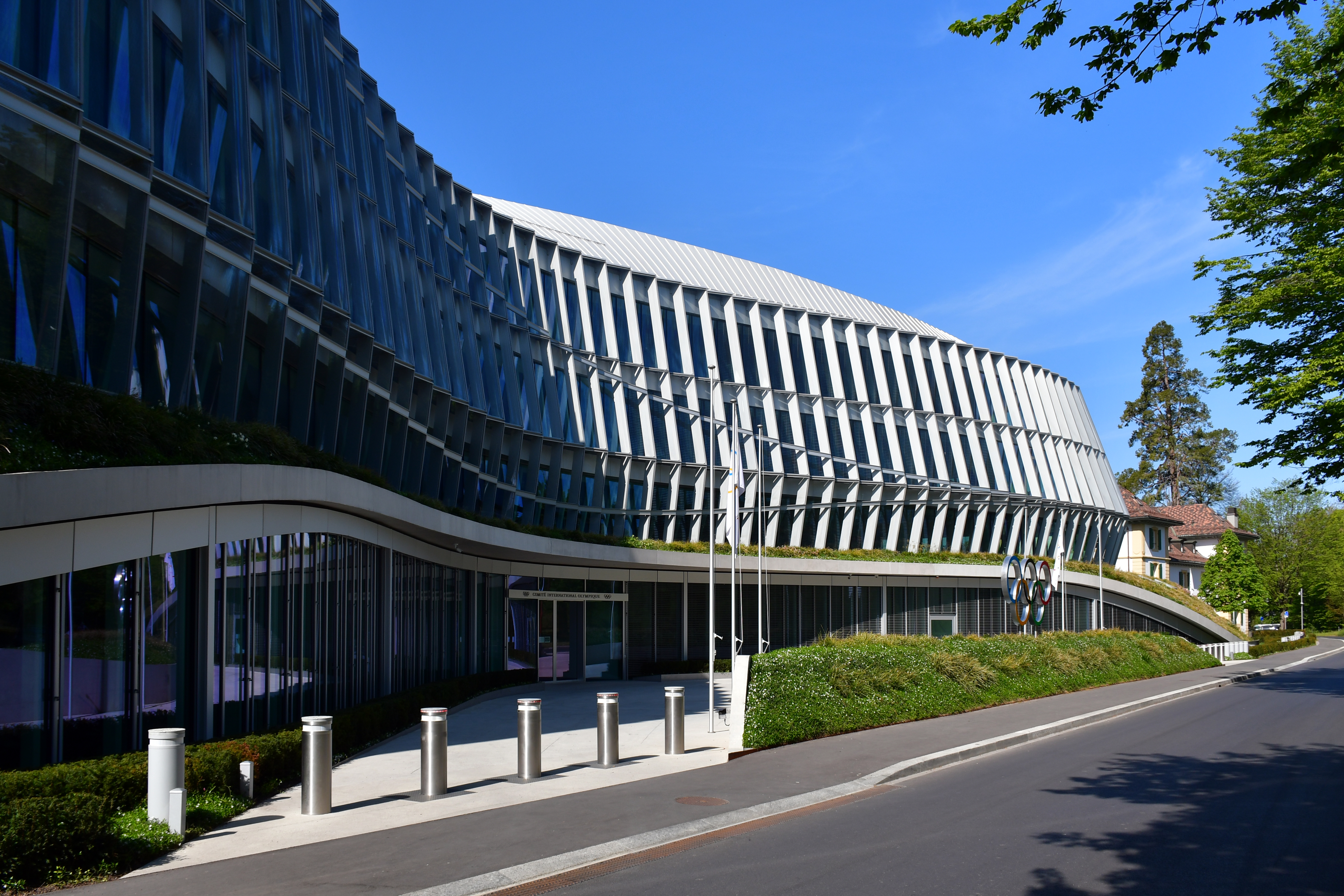
- Lausanne, Switzerland
- Category
- movements
- Type
- movement
Frequently Asked Questions
What is the primary goal of Olympic Solidarity?
The primary goal of Olympic Solidarity is to provide financial and technical assistance to National Olympic Committees (NOCs), particularly those with fewer resources, to develop athletes and promote the Olympic Movement. It aims to ensure universality and inclusivity in sport, enabling athletes from all nations to have opportunities to compete and reach their full potential on the Olympic stage.
How is Olympic Solidarity funded?
Olympic Solidarity is primarily funded by a percentage of the revenue generated from the broadcast rights and TOP (The Olympic Partner) sponsorship programs of the Olympic Games. This revenue is then channeled back into the sporting community through various programs and grants to NOCs, ensuring that the success of the Games directly benefits global sports development.
What types of programs does Olympic Solidarity offer?
Olympic Solidarity offers a range of programs, including the 'Athlete Program' for direct financial support to Olympic-bound athletes, the 'NOC Relations Program' to enhance administrative capacity within NOCs, and the 'Olympic Solidarity Fund' for initiatives in training, coaching education, and sports development. There are also specific funds for technical and medical assistance.
Who is eligible to receive support from Olympic Solidarity?
All National Olympic Committees (NOCs) recognized by the International Olympic Committee (IOC) are eligible to receive support from Olympic Solidarity. The program is designed to assist NOCs of all sizes and economic capacities, with a particular focus on those that require additional resources to develop their athletes and sports infrastructure.
What are some criticisms or debates surrounding Olympic Solidarity?
Debates often arise regarding the equitable distribution of funds, with some questioning if the allocation truly addresses the needs of the least developed NOCs. Concerns are also raised about the long-term sustainability of the funding model, which relies heavily on Olympic Games revenue, and the effectiveness of certain programs in achieving tangible athletic success. The balance between elite athlete support and grassroots development is another point of discussion.
How does Olympic Solidarity contribute to the Olympic values?
Olympic Solidarity promotes the Olympic values of excellence, friendship, and respect by fostering a more inclusive global sporting community. By enabling athletes from diverse backgrounds to compete, it highlights the unifying power of sport. The program also supports educational initiatives and good governance within NOCs, reinforcing the ethical principles of Olympism.
What is the future direction of Olympic Solidarity?
The future direction of Olympic Solidarity is expected to involve greater integration of technology for athlete development and administration, increased focus on sustainability and long-term impact, and potentially exploring innovative financing models. There's also a growing consideration for athlete well-being, including mental health support and post-career transitions, aligning with broader Olympic Agenda goals.