
Contents
- 🎶 What is Persian Music?
- 📜 A Glimpse into History
- 🎻 Key Instruments & Styles
- 🌟 Notable Artists & Innovators
- 🌍 Regional Variations & Influences
- 🎧 Where to Listen & Explore
- 💡 Understanding Vibe Scores
- 🤔 Common Debates & Controversies
- 🚀 The Future of Persian Sound
- ✨ Practical Tips for New Listeners
- Frequently Asked Questions
- Related Topics
Overview
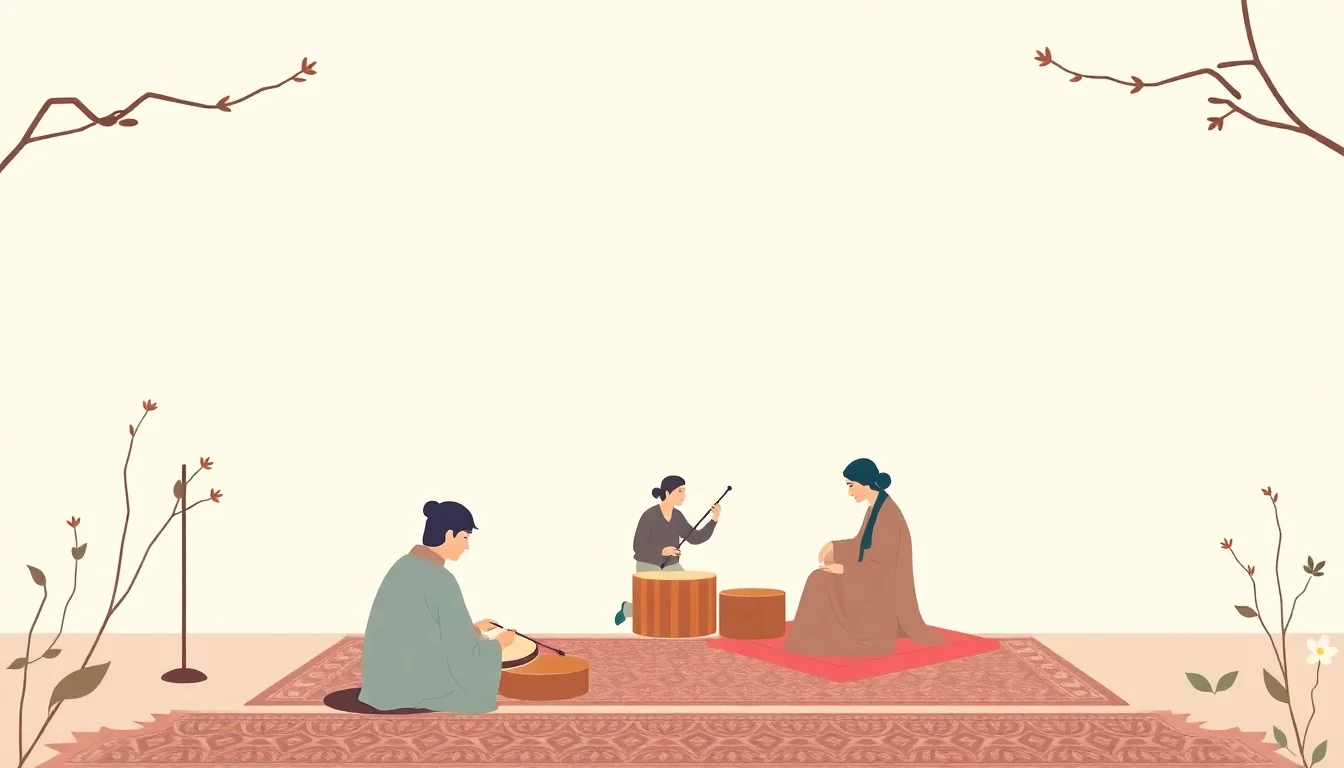
Persian music is a vast and ancient sonic tradition originating from the cultural sphere of Persia, encompassing Iran and its historical diaspora. It's not a monolithic genre but a rich tapestry of melodic modes, rhythmic cycles, and vocal techniques that have evolved over thousands of years. This music is deeply intertwined with Persian poetry, philosophy, and daily life, serving as a vehicle for emotional expression, storytelling, and spiritual contemplation. Whether you're drawn to the intricate improvisations of classical dastgah music or the vibrant rhythms of contemporary pop, there's a universe of sound waiting to be discovered. It's a journey that rewards patience and an open ear, offering profound insights into a civilization's soul.
📜 A Glimpse into History
The roots of Persian music stretch back to antiquity, with evidence of sophisticated musical practices found in ancient Persian empires like the Achaemenid (550–330 BCE). Reliefs at Persepolis depict musicians and dancers, hinting at the importance of music in courtly life and religious ceremonies. The Sasanian period (224–651 CE) saw the flourishing of musical arts, with figures like Barbad and Nekisa credited with developing musical modes and instruments. Following the Islamic conquest, Persian music absorbed new influences while retaining its core identity, leading to the development of the Dastgah system which forms the bedrock of classical Persian music today. This historical depth provides a crucial context for understanding its enduring complexity and beauty.
🎻 Key Instruments & Styles
At the heart of classical Persian music lies the Dastgah system, a modal framework comprising seven primary modes (dastgah) and five secondary modes (avaz). Each dastgah has a unique emotional character and a specific set of melodic phrases. Instruments like the tar, a long-necked lute, and the setar, a smaller, four-stringed lute, are central to melodic performance, often accompanied by the ney, an end-blown flute, and the santur, a hammered dulcimer. Percussion, such as the tonbak (goblet drum), provides rhythmic structure. Beyond classical forms, Persian music encompasses a wide array of styles, including folk music from various regions, devotional music, and modern genres like Iranian pop music.
🌟 Notable Artists & Innovators
Throughout its history, Persian music has been shaped by visionary artists. Radif masters like Mirza Abdollah (19th century) meticulously preserved and transmitted the classical repertoire. In the 20th century, Mohammad-Reza Shajarian elevated classical vocal performance to new heights, earning him international acclaim and a Vibe Score of 92. Composers like Hormoz Farhat have bridged traditional and Western classical idioms, while contemporary artists such as Mohsen Namjoo fuse traditional elements with rock and folk influences, pushing the boundaries of the genre. The influence of these figures extends far beyond Iran, impacting musicians globally.
🌍 Regional Variations & Influences
Persian music is not uniform; it varies significantly across regions and has been shaped by centuries of cultural exchange. The music of Khorasan, for instance, features distinct folk melodies and rhythms influenced by its proximity to Central Asia. The music of the Persian Gulf region often incorporates Arabic scales and instrumentation. Furthermore, Persian musical concepts have traveled and influenced neighboring cultures, including Indian classical music and Turkish classical music, particularly during periods of imperial expansion and cultural flourishing. Understanding these regional nuances reveals the interconnectedness of musical traditions across Eurasia.
🎧 Where to Listen & Explore
Exploring Persian music is more accessible than ever. For classical aficionados, streaming platforms like Spotify and Apple Music offer extensive libraries of traditional recordings, often featuring renowned artists. Websites like Radio Javan are invaluable resources for contemporary Iranian music, from pop to hip-hop. For a deeper dive, consider exploring academic archives or specialized world music platforms. Live performances, though geographically limited, offer an unparalleled experience; keep an eye on schedules for Iranian cultural centers or touring artists in major global cities. Engaging with curated playlists can also be a great starting point for discovering new sounds and artists.
💡 Understanding Vibe Scores
At Vibepedia, we use Vibe Scores to quantify the cultural energy and impact of musical artists and genres. For Persian music, this score is complex, reflecting its deep historical roots, its enduring influence, and its contemporary relevance. Classical masters like Kianoush Sanjabi might score highly for their preservation of tradition, while innovators like Arash might achieve high scores for global reach and commercial success. The overall Vibe Score for Persian music as a broad category is difficult to pinpoint, but its consistent presence in global cultural discourse suggests a robust and dynamic energy, likely in the 70-85 range, depending on the specific subgenre and era.
🤔 Common Debates & Controversies
One of the most persistent debates concerns the authenticity and purity of contemporary Persian music. Critics often lament the perceived dilution of traditional forms by Western pop structures and lyrical themes, particularly in mainstream Iranian pop. Another point of contention is the interpretation and performance of the Dastgah system; while some artists adhere strictly to established Radif, others experiment with improvisation and fusion, leading to discussions about innovation versus preservation. The role of women in Persian music, particularly in public performance, has also been a subject of ongoing social and political debate, impacting the visibility and accessibility of female artists.
🚀 The Future of Persian Sound
The future of Persian music appears dynamic, characterized by a tension between tradition and innovation. We're seeing a growing interest among younger generations in exploring their musical heritage, often through digital platforms and social media. Fusion genres, blending Persian melodies and rhythms with electronic music, hip-hop, and jazz, are gaining traction, creating new sonic landscapes. The diaspora also plays a crucial role, fostering hybrid forms and providing a global stage for Persian artists. The challenge lies in balancing commercial appeal with artistic integrity, ensuring that the rich legacy of Persian music continues to evolve without losing its distinctive essence.
✨ Practical Tips for New Listeners
To begin your journey into Persian music, start with a curated playlist of classical masterpieces to grasp the foundational melodic and rhythmic structures. Don't shy away from vocal performances; the expressive power of Persian singing is central to its appeal. For a taste of contemporary sounds, explore Radio Javan's offerings, paying attention to artists who blend traditional instruments with modern production. If you encounter an unfamiliar instrument, take a moment to look it up – understanding the unique timbres of instruments like the oud or kamancheh enhances appreciation. Finally, seek out live performances if possible; the improvisational nature of much Persian music truly comes alive in a concert setting.
Key Facts
- Year
- Circa 3000 BCE
- Origin
- Ancient Persia (modern-day Iran and surrounding regions)
- Category
- Music History & Culture
- Type
- Cultural Tradition
Frequently Asked Questions
What is the Dastgah system?
The Dastgah system is the modal framework of classical Persian music, comprising seven primary modes (dastgah) and five secondary modes (avaz). Each dastgah has a unique emotional character and a specific set of melodic phrases, forming the basis for improvisation and composition. It's analogous to scales and modes in Western music but with a richer emotional and philosophical dimension.
What are the most common Persian musical instruments?
Key instruments include the tar (long-necked lute), setar (smaller lute), ney (end-blown flute), santur (hammered dulcimer), kamancheh (bowed string instrument), and tonbak (goblet drum). Each instrument has a distinct timbre and plays a specific role in melodic or rhythmic sections.
How does Persian music differ from Arabic or Turkish music?
While there are shared influences due to historical proximity and cultural exchange, Persian music has distinct modal systems (Dastgah vs. Maqam in Arabic music), unique instrumental timbres, and a strong emphasis on poetic texts, particularly from classical Persian poets like Hafez and Rumi. The rhythmic structures and melodic ornamentation also often differ.
Is Persian music only classical?
No, Persian music encompasses a wide spectrum. While classical music based on the Dastgah system is highly revered, there are also rich traditions of folk music from various regions of Iran, devotional music, and a thriving contemporary scene including pop, rock, and electronic music that often incorporates traditional elements.
Where can I find authentic Persian music recordings?
Reputable sources include major streaming platforms (Spotify, Apple Music) with curated classical and contemporary playlists, specialized world music labels, and websites like Radio Javan for modern Iranian music. Look for recordings by established artists and ensembles for a high-quality experience.
What is the significance of poetry in Persian music?
Poetry is intrinsically linked to Persian music. Classical vocal pieces (avaz) are often set to verses by renowned Persian poets, and the singer's interpretation aims to convey the emotional depth and meaning of the text. This fusion of poetry and music is a hallmark of the tradition.