
Contents
Overview
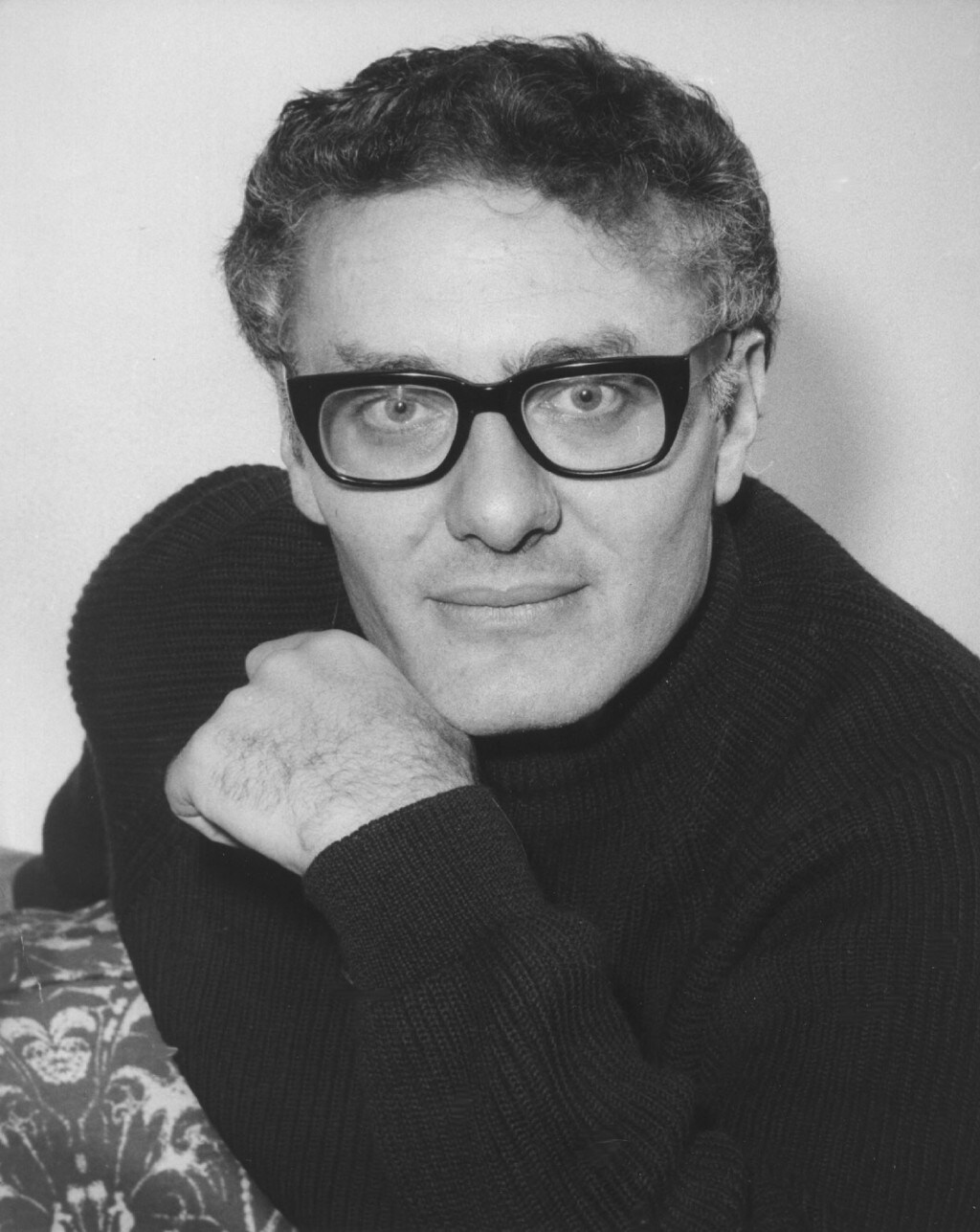
Peter Shaffer was born on 15 May 1926, in Liverpool, England, to a family of modest means. His early life was marked by a strong interest in literature and theatre, which was encouraged by his parents. Shaffer's education at Trinity College, Cambridge further fostered his passion for writing, and he began to develop his skills as a playwright. His early works were influenced by the likes of William Shakespeare and Oscar Wilde, whose plays he had studied and admired.
📝 Notable Works
Shaffer's breakthrough play, Equus, premiered in 1973 and was a critical and commercial success. The play's exploration of themes such as psychology, religion, and human relationships resonated with audiences and critics alike. The play's success was followed by Amadeus, which premiered in 1979 and cemented Shaffer's reputation as a master playwright. Both plays were later adapted into films, with Shaffer himself writing the screenplays. The film adaptations were directed by Sidney Lumet and Miloš Forman, respectively, and featured actors like F. Murray Abraham and Tom Hulce.
🎬 Screen Adaptations
Shaffer's screen adaptations of his plays were highly acclaimed, earning him numerous awards and nominations. His screenplay for Amadeus won the Academy Award for Best Adapted Screenplay, and he also received a Golden Globe Award for his work on the film. Shaffer's collaborations with directors like Martin Scorsese and actors like Daniel Day-Lewis further demonstrated his versatility as a writer. His work on the film adaptations of his plays also led to nominations for two BAFTA Awards and a Laurence Olivier Award.
🏆 Legacy & Awards
Peter Shaffer's legacy extends far beyond his own works, as his plays and films have inspired a new generation of writers and artists. His exploration of complex themes and characters has influenced playwrights like Tom Stoppard and David Hare, and his collaborations with directors and actors have raised the bar for theatrical and cinematic storytelling. Shaffer's impact on the world of theatre and cinema is immeasurable, and his works continue to be performed and adapted to this day, with productions like those at the National Theatre and the Royal Shakespeare Company.
Key Facts
- Year
- 1926
- Origin
- Liverpool, England
- Category
- culture
- Type
- person
Frequently Asked Questions
What is Peter Shaffer's most famous play?
Peter Shaffer's most famous play is arguably Equus, which premiered in 1973 and was a critical and commercial success. The play's exploration of themes such as psychology, religion, and human relationships resonated with audiences and critics alike, and it has been widely performed and adapted since its premiere. The play was also adapted into a film in 1977, directed by Sidney Lumet and starring Richard Burton.
What awards did Peter Shaffer win for his work?
Peter Shaffer won numerous awards for his work, including the Tony Award for Best Play for both Equus and Amadeus. He also won the Academy Award for Best Adapted Screenplay for Amadeus, and received a Golden Globe Award for his work on the film. Additionally, Shaffer was nominated for two BAFTA Awards and a Laurence Olivier Award for his work on the film adaptations of his plays. His collaborations with directors like Miloš Forman and actors like F. Murray Abraham further demonstrated his skill as a writer and his ability to work with top talent in the industry.
What is Peter Shaffer's legacy in the world of theatre and cinema?
Peter Shaffer's legacy in the world of theatre and cinema is immeasurable. His plays and films have inspired a new generation of writers and artists, and his exploration of complex themes and characters has influenced playwrights like Tom Stoppard and David Hare. His collaborations with directors and actors have raised the bar for theatrical and cinematic storytelling, and his works continue to be performed and adapted to this day, with productions like those at the National Theatre and the Royal Shakespeare Company.
How did Peter Shaffer's work influence the film industry?
Peter Shaffer's work had a significant influence on the film industry, particularly in the 1970s and 1980s. His screenplays for Equus and Amadeus were highly acclaimed, and his collaborations with directors like Sidney Lumet and Miloš Forman helped to establish him as a major talent in the industry. His work on the film adaptations of his plays also led to nominations for two BAFTA Awards and a Laurence Olivier Award, further cementing his reputation as a skilled writer and adapter of his own work. The success of his films also paved the way for other playwrights to adapt their work for the screen, and his influence can be seen in the work of writers like Quentin Tarantino and Martin Scorsese.
What is the significance of Peter Shaffer's use of psychology in his plays?
Peter Shaffer's use of psychology in his plays is significant because it allows him to explore complex themes and characters in a nuanced and thought-provoking way. His plays, such as Equus and Amadeus, often feature characters who are struggling with psychological issues, and Shaffer's portrayal of these characters is both sympathetic and insightful. The use of psychology in his plays also allows Shaffer to comment on broader societal issues, such as the role of religion and the impact of social norms on individual behavior. The psychological themes in his plays have been praised by critics and audiences alike, and have helped to establish Shaffer as a major playwright of his generation, alongside writers like Harold Pinter and Sam Shepard.