
Contents
Overview
The phone is the definitive artifact of the modern era, evolving from a static acoustic transmitter into a ubiquitous digital appendage. Originally patented by Alexander Graham Bell, the device has transitioned through several technological epochs: the electromechanical era of Western Electric, the cellular revolution led by Motorola, and the current smartphone hegemony defined by Apple and Samsung. Today, the 'phone' is a misnomer; it is a multi-modal computing platform that facilitates global commerce, social surveillance, and instant information retrieval. With over 7 billion mobile subscriptions globally as of 2024, the device serves as the primary interface between biological humans and the global internet, fundamentally altering cognitive patterns and social structures.
🎵 Origins & History
The genesis of the phone is a saga of patent wars and acoustic experimentation. Earlier groundwork by Antonio Meucci and Johann Philipp Reis provided the conceptual scaffolding for transmitting sound via electricity. The early 20th century saw the rise of the Bell System monopoly, which standardized the infrastructure across North America. By the time Martin Cooper made the first handheld cellular call in 1973 using a Motorola DynaTAC, the phone had already shifted from a luxury business tool to a domestic necessity.
⚙️ How It Works
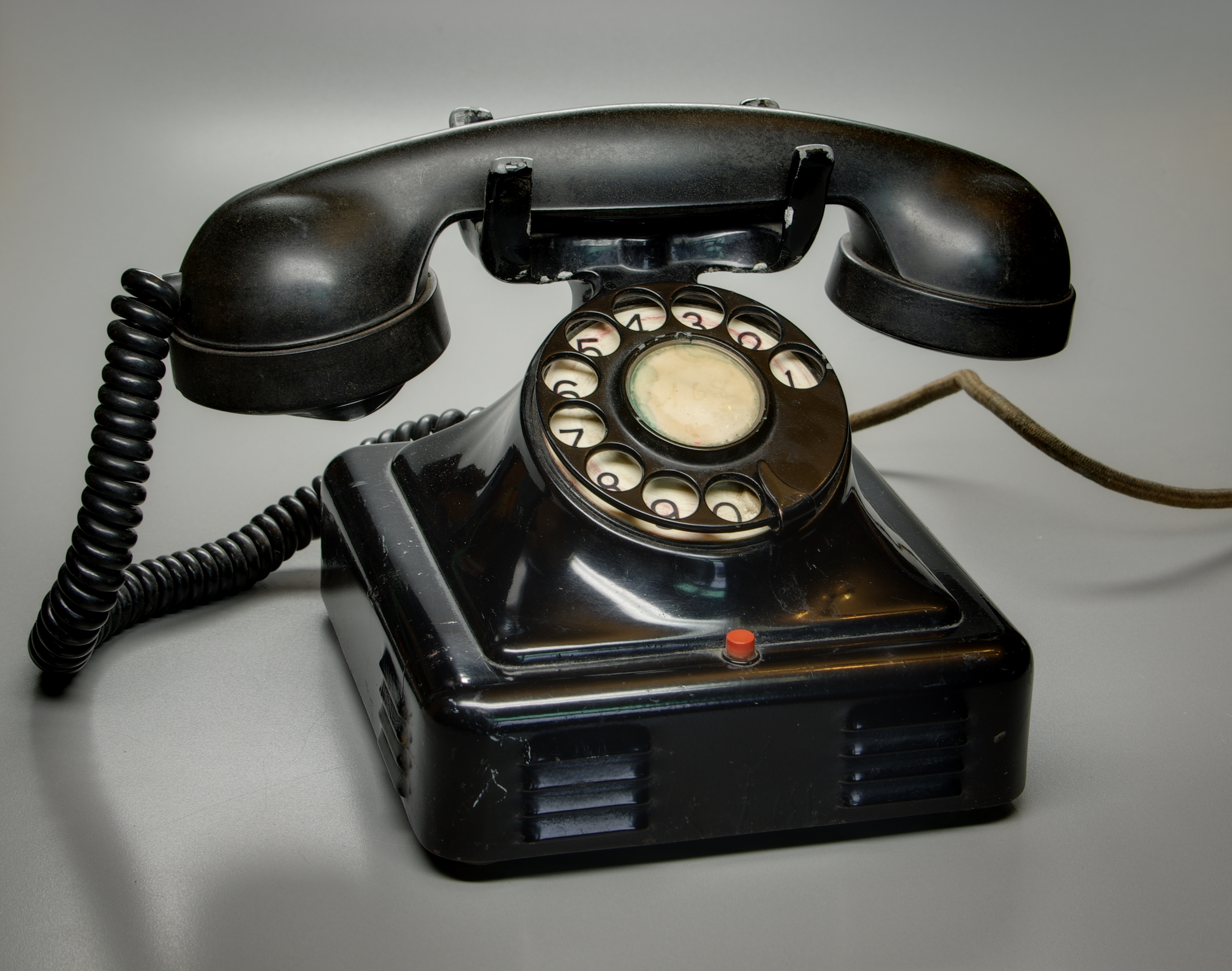
At its mechanical core, a phone converts sound waves into electrical signals through a microphone and reverses the process via a loudspeaker. In the analog era, this involved varying the current in a wire; modern digital phones use Pulse Code Modulation to digitize the voice. Mobile devices rely on a complex printed circuit board (PCB) housing an ARM-based processor and a cellular modem. These modems communicate with cell towers using radio frequency (RF) spectrum, handing off signals seamlessly as the user moves. The integration of lithium-ion batteries and OLED displays has turned the hardware into a high-density energy consumer.
📊 Key Facts & Numbers
The scale of phone adoption is staggering. Global smartphone shipments are projected to reach 1.2 billion units in 2024, with Android maintaining a roughly 70% market share compared to iOS at 28%. The average user touches their phone 2,617 times a day, according to data from Dscout. Economically, the mobile ecosystem contributed $5.2 trillion to global GDP in 2022. Furthermore, the transition to 5G technology is expected to add $960 billion to the global economy by 2030 as latency drops below 10 milliseconds.
👥 Key People & Organizations
The trajectory of the phone has been steered by titan corporations and visionary engineers. Steve Jobs famously redefined the category in 2007 with the launch of the iPhone, merging an iPod, a phone, and an internet communicator. On the hardware side, Qualcomm dominates the chipset market, providing the Snapdragon processors that power most flagship devices. Organizations like the ITU and the 3GPP manage the global standards that allow a phone from Huawei to work on a network in London or New York. Meanwhile, Google remains the software gatekeeper through its stewardship of the Open Handset Alliance.
🌍 Cultural Impact & Influence
Phones have dismantled the traditional boundaries between public and private life, creating a state of 'permanent connectivity.' The rise of Instagram and TikTok has turned the phone into a production studio, democratizing media but also fueling the attention economy. In developing regions, mobile banking platforms like M-Pesa in Kenya have bypassed traditional banking, providing financial identity to millions. However, the device has also been linked to the 'loneliness epidemic,' as documented by sociologists like Sherry Turkle. The phone is no longer just a tool; it is the primary lens through which the Gen Z and Gen Alpha cohorts perceive reality.
⚡ Current State & Latest Developments
In 2024, the industry is obsessed with the integration of Generative AI directly onto the handset. The Samsung Galaxy S24 and Google Pixel 8 have introduced on-device LLMs that handle real-time translation and advanced photo manipulation without cloud processing. Foldable technology is maturing, with the Google Pixel Fold and Samsung Z Fold series attempting to bridge the gap between phone and tablet. Satellite connectivity is also becoming a standard safety feature, pioneered by Globalstar and SpaceX's Starlink partnership. Meanwhile, the European Union has forced a major shift by mandating USB-C charging ports across all devices.
🤔 Controversies & Debates
The phone is a lightning rod for ethical and environmental debate. The mining of cobalt and lithium in the DRC has raised severe human rights concerns regarding child labor and environmental degradation. Privacy advocates frequently clash with companies like Meta and NSO Group over the use of Pegasus spyware and data harvesting. There is also a growing Right to Repair movement, led by groups like iFixit, which challenges the planned obsolescence practiced by major manufacturers. Furthermore, the debate over smartphone addiction and its impact on adolescent mental health has led to calls for stricter regulation in schools.
🔮 Future Outlook & Predictions
The future of the phone likely involves its eventual disappearance as a discrete handheld object. Many futurists predict a shift toward Augmented Reality (AR) glasses, such as the Apple Vision Pro or Meta Ray-Ban smart glasses, which overlay digital information onto the physical world. Neuralink and other brain-computer interface startups suggest a long-term horizon where communication bypasses the hands and eyes entirely. In the near term, we will see the total sunsetting of 2G and 3G networks to make room for 6G, which aims for terabit-per-second speeds. The phone of 2035 may be a wearable bio-sensor or a simple projection from a piece of jewelry.
💡 Practical Applications
Beyond simple voice calls, phones are now essential for Two-Factor Authentication (2FA), securing everything from bank accounts to corporate servers. In healthcare, mobile devices paired with wearables allow for remote patient monitoring and chronic disease management. The gig economy, powered by Uber and DoorDash, would be non-existent without the real-time GPS and payment processing capabilities of modern smartphones. In conflict zones, phones are used for Open Source Intelligence (OSINT), documenting events in real-time for platforms like Bellingcat. They have also become the primary tool for emergency alerts and disaster response coordination.
Key Facts
- Category
- technology
- Type
- technology