
Contents
Overview
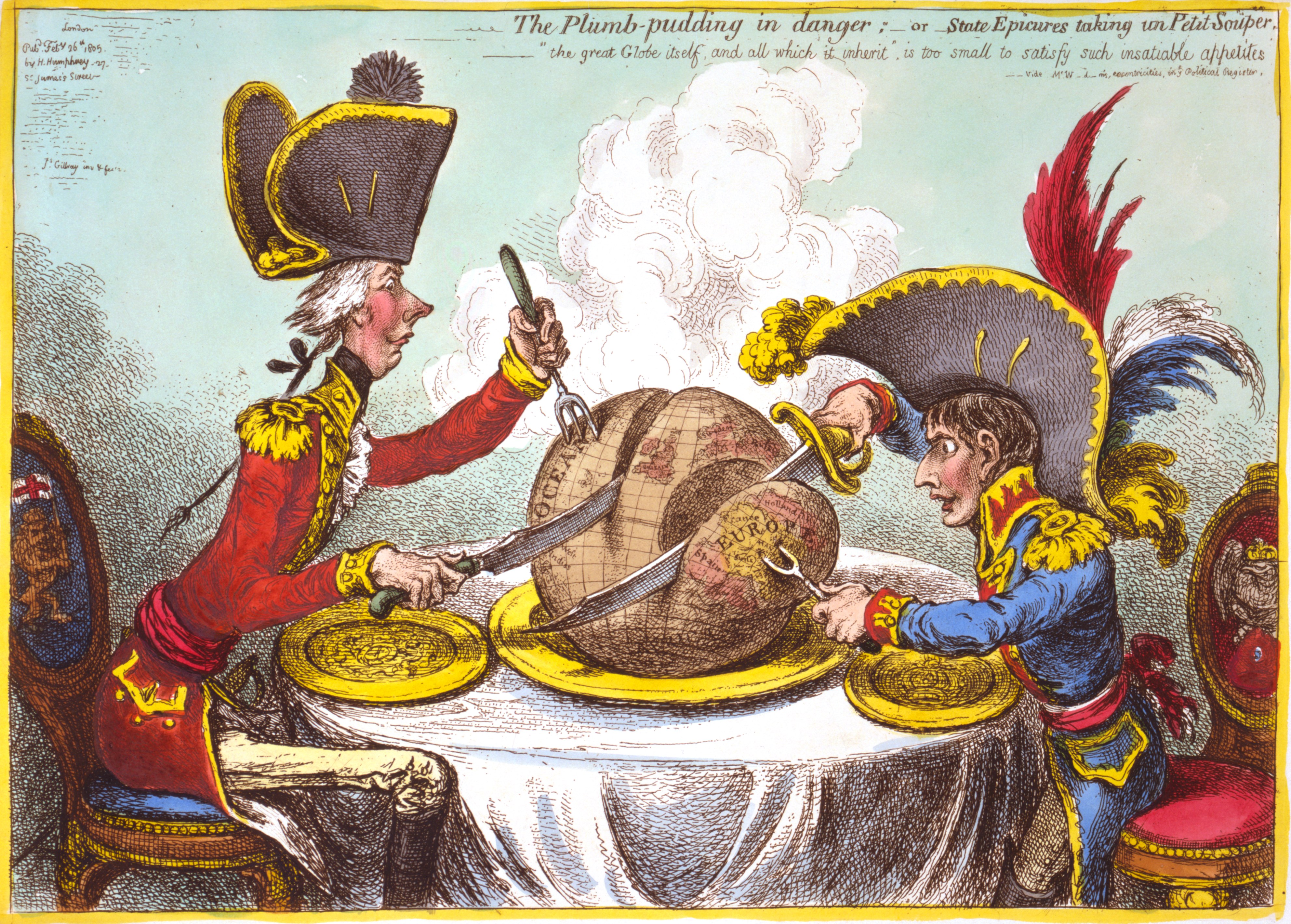
The lineage of political cartooning can be traced back to the late 18th century in England, a period marked by burgeoning print culture and a growing public appetite for commentary on state affairs. Artists like James Gillray and Thomas Rowlandson were pioneers, creating individual prints sold in shops that satirized politicians and royalty with biting wit and exaggerated depictions. These early works, often sold as single sheets, laid the groundwork for the more formalized practice that would emerge. The term 'cartoon' itself was popularized by the British magazine Punch in 1841, which dedicated a section to political illustrations, solidifying the medium's identity and reach. This shift from individual prints to periodical publication democratized access and amplified the cartoon's influence on public opinion.
⚙️ How It Works
At its core, political cartooning is a visual language designed to distill complex issues into easily digestible, often provocative, images. Cartoonists employ a toolkit of visual metaphors, symbols, and caricatures to convey their message. Caricature exaggerates distinctive features of public figures to create immediate recognition and often to mock or diminish them, a technique famously used by artists like Honoré Daumier in 19th-century France. Symbolism, such as Uncle Sam representing the United States or a donkey and elephant for political parties, adds layers of meaning. The cartoonist's skill lies in selecting the most potent visual elements and arranging them to create a narrative that elicits a specific emotional or intellectual response from the viewer, often aiming for humor, outrage, or critical reflection.
📊 Key Facts & Numbers
The reach of political cartoons is substantial, with major newspapers historically dedicating significant space to them. The Pulitzer Prize for Editorial Cartooning, established in 1922, has been awarded annually, recognizing outstanding work, with over 100 recipients to date. Globally, hundreds of thousands of political cartoons are published annually across thousands of publications. The economic impact is also notable, with some prominent cartoonists earning annual salaries exceeding $150,000 from their newspaper syndication and other media appearances.
👥 Key People & Organizations
Key figures in political cartooning span centuries and continents. James Gillray (1756-1815) is widely regarded as the father of the modern political cartoon for his sharp, often vicious, satires of the British monarchy and government. In the United States, Thomas Nast (1840-1902) is credited with shaping public opinion against Boss Tweed and the Tammany Hall ring, and is also credited with popularizing the modern image of Santa Claus. More contemporary figures include Herblock (Herbert Block, 1909-2001), whose work influenced President Kennedy and President Johnson, and Pat Oliphant (b. 1935), known for his distinctive style and sharp commentary. Organizations like the Association of American Editorial Cartoonists (AAEC) foster community and advocate for the profession.
🌍 Cultural Impact & Influence
Political cartoons have profoundly shaped public discourse and influenced political outcomes throughout history. They serve as a powerful tool for holding those in power accountable, often reaching audiences who might not engage with traditional political analysis. The cartoons of Thomas Nast, for example, are credited with contributing to the downfall of William M. Tweed's corrupt Tammany Hall political machine in New York City in 1870s. During wartime, cartoons have been used extensively for propaganda, rallying support or demonizing the enemy, as seen in numerous examples from World War I and World War II. Their ability to simplify complex issues and evoke strong emotions makes them highly effective cultural artifacts.
⚡ Current State & Latest Developments
In the contemporary landscape, political cartooning faces both opportunities and challenges. The decline of print journalism has led to fewer newspaper jobs for editorial cartoonists, with many publications reducing or eliminating their staff positions. However, the rise of digital media has opened new avenues for distribution through websites, blogs, and social media platforms like X and Facebook. This digital shift allows cartoonists to reach a global audience instantly and engage directly with their readers. Emerging artists are experimenting with new formats, including animation and interactive elements, to keep the medium relevant in a fast-paced media environment. The UNESCO-backed Cartoon Movement, for instance, connects cartoonists globally to address pressing issues.
🤔 Controversies & Debates
The very nature of political cartooning invites controversy. Critics often accuse cartoonists of bias, oversimplification, or crossing the line into offensive caricature. Debates frequently erupt over whether a cartoon is a legitimate form of free speech or a harmful attack, particularly when dealing with sensitive topics like race, religion, or national identity. The 2005 publication of cartoons depicting the Prophet Muhammad in a Danish newspaper, Jyllands-Posten, sparked international outrage and protests, highlighting the potent impact and potential for offense. Conversely, proponents argue that such controversy is a sign of the medium's effectiveness in challenging norms and provoking necessary dialogue, even if uncomfortable.
🔮 Future Outlook & Predictions
The future of political cartooning is likely to be shaped by technological innovation and evolving media consumption habits. While traditional newspaper syndication may continue to decline, digital platforms offer significant growth potential. We can expect to see more animated editorial cartoons, interactive visual essays, and greater use of multimedia elements. Artificial intelligence may also play a role, perhaps in generating initial drafts or analyzing public sentiment, though the core artistic and critical voice will remain human. The challenge will be for cartoonists to maintain their relevance and financial viability in a crowded media ecosystem, ensuring that this vital form of commentary continues to thrive and hold power accountable in the digital age.
💡 Practical Applications
Political cartoons serve a crucial function in democratic societies by providing accessible commentary on public affairs. They are used by news organizations to offer a visual editorial stance, by advocacy groups to raise awareness about specific issues, and by educators to teach about history and civics. For example, cartoons have been instrumental in explaining complex legislation, highlighting environmental concerns, and critiquing foreign policy. They can simplify complex political maneuvers or social trends, making them understandable to a broad audience. Furthermore, political cartoons are collected by museums and archives, such as the Library of Congress, serving as historical documents that offer unique insights into the zeitgeist of their time.
Key Facts
- Category
- culture
- Type
- concept