
Contents
Overview
The genesis of polypropylene can be traced to the mid-20th century, a period of explosive growth in polymer science. In 1954, Italian chemist Giulio Natta at Montecatini synthesized isotactic polypropylene, a breakthrough that enabled the material to be crystalline and thus possess superior mechanical properties. This discovery, building upon the earlier work of Karl Ziegler on Ziegler catalysts, earned Natta a Nobel Prize in Chemistry in 1963. The commercialization of polypropylene quickly followed, with Montecatini beginning production in Ferrara, Italy, in 1957. Early production was primarily focused on fibers and films, but its potential for injection molding and extrusion was soon realized, paving the way for its widespread adoption.
⚙️ How It Works
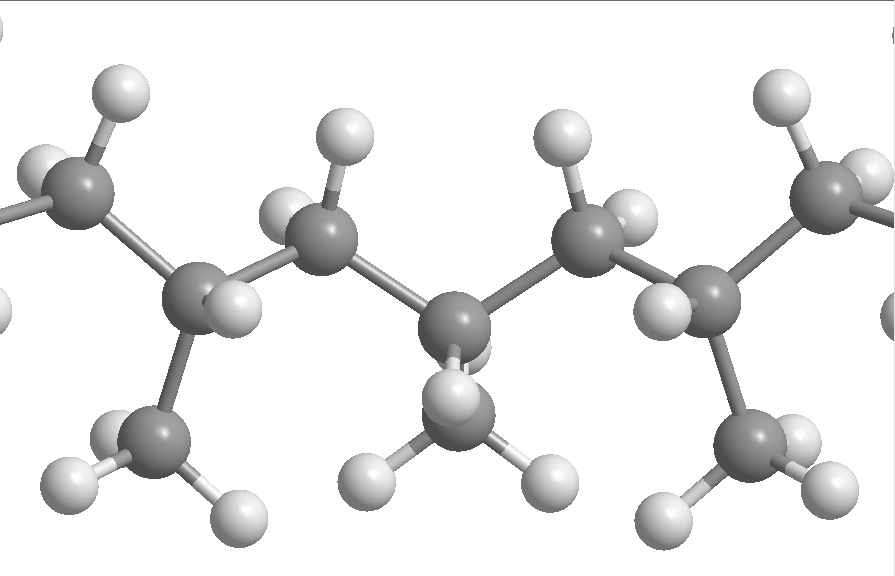
Polypropylene is manufactured through chain-growth polymerization of the propylene monomer (C₃H₆). The process typically employs Ziegler-Natta catalysts or metallocene catalysts, which control the stereochemistry of the polymer chain, dictating whether the methyl groups are arranged isotactically (all on one side), syndiotactically (alternating sides), or atactically (randomly). Isotactic polypropylene, the most commercially significant form, exhibits higher crystallinity and thus superior mechanical strength and thermal resistance compared to its atactic counterpart. The polymerization can occur in gas phase, slurry, or bulk processes, yielding pellets that are subsequently processed via techniques like injection molding, extrusion, and blow molding.
📊 Key Facts & Numbers
Polypropylene floats on water. The resin code for polypropylene is '5', a widely recognized symbol indicating its recyclability.
👥 Key People & Organizations
While Giulio Natta is credited with the pivotal discovery of isotactic polypropylene, the broader field of polyolefin research involved numerous scientists and institutions. Montecatini (now part of Versalis) was an early commercial leader, alongside American companies like Dow Chemical and ExxonMobil Chemical, who developed their own proprietary catalyst systems and production processes. Today, major global producers include Sinopec, LyondellBasell, and Borealis, each contributing significantly to the material's availability and ongoing innovation through extensive research and development in catalysis and process technology.
🌍 Cultural Impact & Influence
Polypropylene's influence is woven into the fabric of modern life, often in ways we don't consciously acknowledge. Its use in automotive components, from bumpers to dashboards, has been instrumental in reducing vehicle weight and improving fuel efficiency. In textiles, it forms the basis of durable carpets, upholstery, and performance apparel due to its stain resistance and low moisture absorption. The packaging industry relies heavily on PP for everything from rigid containers and flexible films to bottle caps, owing to its excellent barrier properties and sealability. The ubiquity of PP products, from disposable cutlery to reusable storage bins, has cemented its status as a fundamental material of the consumer age, impacting daily routines across the globe.
⚡ Current State & Latest Developments
The polypropylene industry is currently navigating a complex landscape of sustainability pressures and technological advancements. Increased focus on circular economy principles is driving innovation in chemical recycling technologies, aiming to break down PP waste into its constituent monomers for repolymerization. Companies like Loop Industries and Agilyx are at the forefront of developing scalable chemical recycling solutions. Furthermore, advancements in catalyst technology, particularly metallocene catalysts, are enabling the production of tailored PP grades with enhanced properties, such as improved impact resistance or clarity, for specialized applications in areas like medical devices and advanced packaging. Innovations in bio-based polypropylene are also gaining traction.
🤔 Controversies & Debates
The environmental impact of polypropylene, particularly its persistence in landfills and oceans, is a significant point of contention. As a material that does not readily biodegrade, its accumulation poses a substantial ecological challenge. While PP is technically recyclable, collection and sorting infrastructure, along with market demand for recycled content, remain insufficient to address the scale of the problem. Critics also point to the energy-intensive nature of virgin PP production and the potential for microplastic pollution. Debates often center on the efficacy of current recycling rates, the true environmental cost of virgin production versus recycling, and the responsibility of manufacturers and consumers in mitigating plastic waste.
🔮 Future Outlook & Predictions
The future of polypropylene is likely to be shaped by a dual focus on enhanced performance and improved sustainability. Expect continued development in advanced recycling, including enzymatic and advanced chemical recycling methods, to create a more closed-loop system. Innovations in bio-based polypropylene, derived from renewable feedstocks rather than fossil fuels, are also gaining traction, though cost and scalability remain hurdles. Furthermore, the development of self-healing or biodegradable PP variants, while still in early research stages, could offer novel solutions to end-of-life challenges. The automotive and construction sectors will continue to drive demand for lighter, stronger PP composites, while the packaging industry will push for improved barrier properties and recyclability.
💡 Practical Applications
Polypropylene's versatility makes it indispensable across numerous sectors. In the automotive industry, it's used for interior trim, bumpers, battery cases, and under-the-hood components. The packaging sector utilizes it for food containers, films, woven bags, and caps. In textiles, it forms the basis for carpets, upholstery, ropes, and non-woven fabrics used in hygiene products and geotextiles. Medical applications include syringes, vials, and surgical masks, benefiting from its sterilizability and chemical resistance. Consumer goods manufacturers employ PP for furniture, housewares, toys, and appliances due to its durability and low cost.
Key Facts
- Category
- technology
- Type
- product