Pre-Columbian Civilizations | Vibepedia
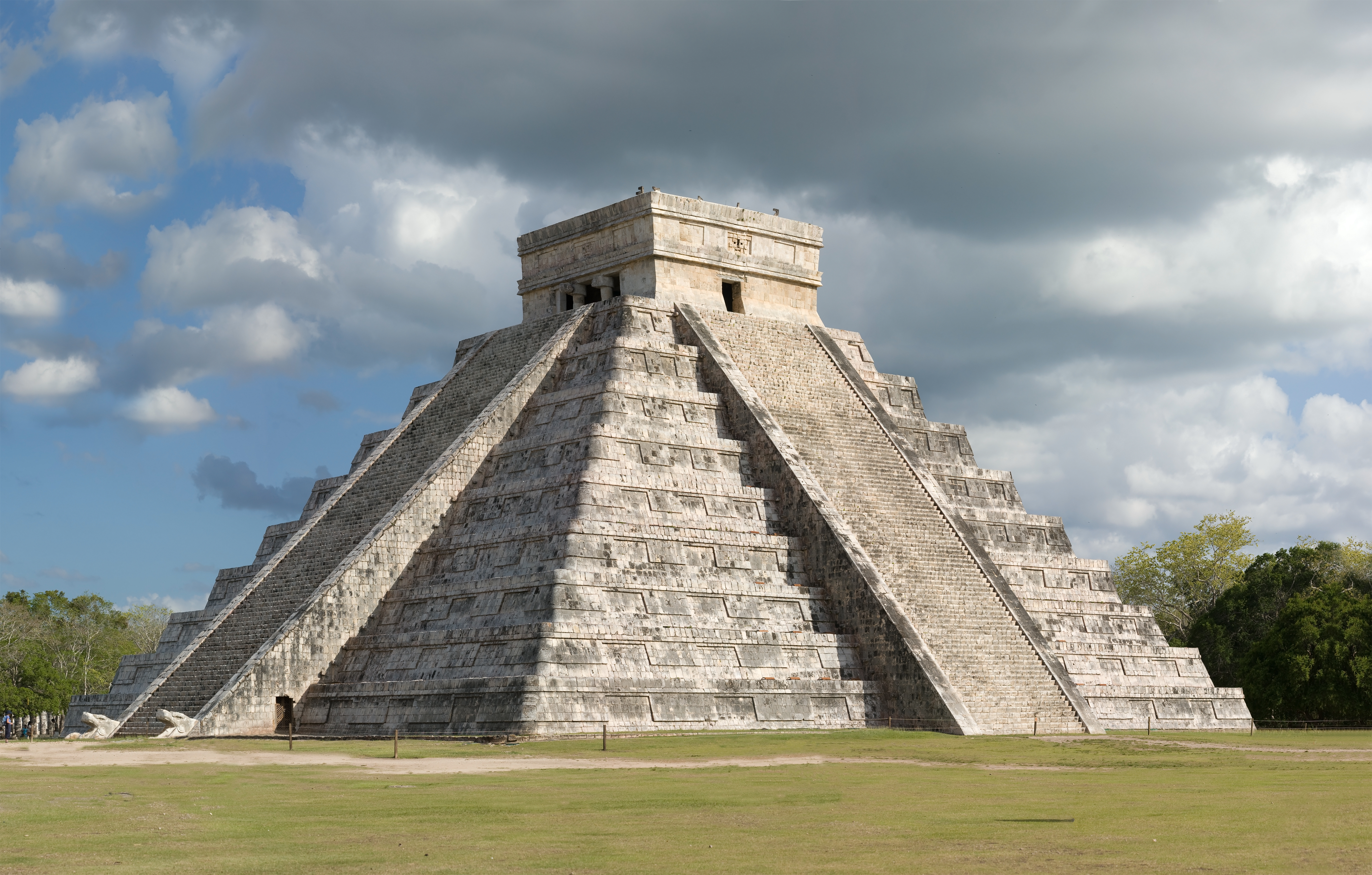
The pre-Columbian era in the Americas witnessed the rise of diverse and sophisticated Indigenous civilizations. These societies developed advanced…
Contents
Overview
The story of pre-Columbian civilizations begins with the initial migration of humans into the Americas, a process still debated but generally understood to have occurred over millennia, adapting to vastly different environments and developing unique cultural trajectories. By the first millennium BCE, complex societies began to emerge, characterized by settled agriculture, monumental construction, and organized religion. The Olmec civilization in Mesoamerica is often considered the 'mother culture' of later Mesoamerican civilizations, influencing the Maya, Teotihuacan, and Aztec. In South America, cultures like the Norte Chico (later Caral-Supe) in Peru were developing complex urban centers. The subsequent rise of empires like the Inca in the Andes and the Aztec in Mesoamerica by the 15th century CE marked the apex of pre-Columbian societal complexity before the disruptive arrival of Europeans.
⚙️ How They Worked
Pre-Columbian civilizations operated on principles of sophisticated agricultural innovation, often tailored to specific regional ecologies. In Mesoamerica, the Aztec famously employed chinampas, or 'floating gardens,' to maximize arable land in the Valley of Mexico, yielding multiple harvests annually. The Inca mastered high-altitude agriculture in the Andes, developing extensive terracing systems and cultivating staple crops like potatoes and quinoa, alongside an intricate road network spanning thousands of miles, facilitating trade and communication. Social structures varied widely, from decentralized village societies to highly stratified empires with hereditary rulers, specialized labor, and elaborate bureaucratic systems. Religious beliefs were central, often involving complex pantheons, cyclical cosmologies, and monumental ceremonial centers like those found at Chichen Itza and Machu Picchu. Many societies developed unique writing systems, such as the hieroglyphic script of the Maya, and advanced calendrical systems, demonstrating a profound understanding of astronomy.
📊 Key Facts & Numbers
The scale of pre-Columbian achievements is staggering. At its peak, the Aztec capital of Tenochtitlan (modern-day Mexico City) housed an estimated 200,000 to 300,000 inhabitants, making it one of the largest cities in the world in the early 16th century. The Inca road system, the Qhapaq Ñan, stretched over 25,000 miles, connecting diverse regions of their empire. The Maya civilization, spanning over 2,000 years, produced an estimated 5 million people at its height, with major city-states like Tikal and Calakmul boasting populations exceeding 100,000. Archaeological evidence suggests that by 1500 CE, the Americas supported a population estimated between 50 to 100 million people, a testament to the sustainability and productivity of their agricultural and societal systems. The construction of monumental structures, such as the Pyramid of the Sun at Teotihuacan, involved moving millions of tons of stone, often without the use of the wheel or draft animals.
👥 Key People & Organizations
While no single 'leader' can represent all pre-Columbian civilizations, certain figures and groups played pivotal roles. The rulers of the Inca, such as Pachacuti Inca Yupanqui (reigned c. 1438–1471), consolidated vast territories through military conquest and administrative genius. Similarly, Moctezuma II was the Aztec emperor at the time of Hernán Cortés's arrival, a pivotal moment in history. The Maya civilization was characterized by numerous city-states, each with its own ruling dynasty, such as the rulers of Palenque like K'inich Janaab' Pakal I. Organizations like the priesthoods, warrior classes, and merchant guilds, such as the Pochteca of the Aztecs, were crucial to the functioning of these societies. Modern scholarship is increasingly highlighting the contributions of archaeologists like Alfred Kidder and Gordon Willey, who laid foundational work in understanding these ancient cultures through systematic excavation and analysis.
🌍 Cultural Impact & Influence
The legacy of pre-Columbian civilizations is woven into the fabric of modern American cultures and global heritage. Their agricultural innovations, particularly the domestication of crops like maize, potatoes, tomatoes, and cacao, fundamentally reshaped global diets and economies after the Columbian Exchange. Architectural styles and urban planning principles from cities like Teotihuacan and Tenochtitlan continue to inspire architects and urban planners. The intricate artistry and symbolism found in Maya pottery, Aztec goldwork, and Inca textiles are celebrated in museums worldwide. Furthermore, the resilience and adaptability of these societies offer enduring lessons in sustainable living, community organization, and the human capacity for innovation in diverse environments. The very concept of the Americas as distinct cultural entities owes much to the rich histories of these pre-contact peoples.
⚡ Current State & Latest Developments
Contemporary research continues to unearth new insights into pre-Columbian civilizations. Advances in LiDAR technology have revolutionized archaeological surveys, revealing previously hidden structures and settlements, particularly in dense jungle environments like those inhabited by the Maya. DNA analysis is providing a clearer picture of migration patterns and population dynamics. Efforts are underway to decipher undeciphered scripts, such as the Nazca geoglyphs, and to better understand the social and political complexities of empires like the Inca and Aztec. The ongoing repatriation of Indigenous artifacts and the increasing involvement of descendant communities in archaeological research are reshaping how these histories are interpreted and presented, moving beyond colonial narratives and towards a more accurate and respectful understanding.
🤔 Controversies & Debates
Significant debates persist regarding pre-Columbian history. The exact timing and routes of the initial peopling of the Americas remain a subject of active research, with some theories proposing pre-Clovis occupations. The causes of the decline of certain civilizations, particularly the Classic Maya collapse, are complex and debated, with factors like environmental degradation, warfare, and drought likely playing interconnected roles. The scale of pre-Columbian populations is also a point of contention, with estimates varying widely among scholars. Furthermore, the interpretation of archaeological evidence and the potential for bias in historical accounts, particularly those written by European colonizers like Bartolomé de las Casas, are constant areas of critical examination. The ethical considerations surrounding archaeological excavation and the ownership of cultural heritage are also prominent.
🔮 Future Outlook & Predictions
The future of understanding pre-Columbian civilizations hinges on continued technological innovation and interdisciplinary collaboration. The application of AI in analyzing vast datasets from archaeological digs and deciphering complex patterns in ancient texts holds immense promise. Further exploration of remote or submerged sites, perhaps using advanced sonar or underwater robotics, could reveal entirely new chapters of history. As Indigenous communities gain greater agency in heritage management and research, their traditional knowledge and oral histories will undoubtedly enrich and challenge existing academic paradigms. The potential exists to uncover even more sophisticated societal structures, technological advancements, and philosophical insights from these ancient American worlds, potentially reshaping our understanding of human history on a global scale.
💡 Practical Applications
The practical applications of studying pre-Columbian civilizations are far-reaching. Agricultural techniques developed b
Key Facts
- Category
- history
- Type
- topic