
Contents
- 👑 Introduction to Prince Albert
- 🏰 Early Life and Marriage
- 📈 The Great Exhibition of 1851
- 🌎 Prince Albert's Foreign Policy
- 🎨 The Arts and Architecture
- 📚 Education and Social Reform
- 💔 Personal Life and Legacy
- 👫 Relationships with Other Royals
- 🏛️ The Prince Albert Era
- 👑 Conclusion and Lasting Impact
- Frequently Asked Questions
- Related Topics
Overview
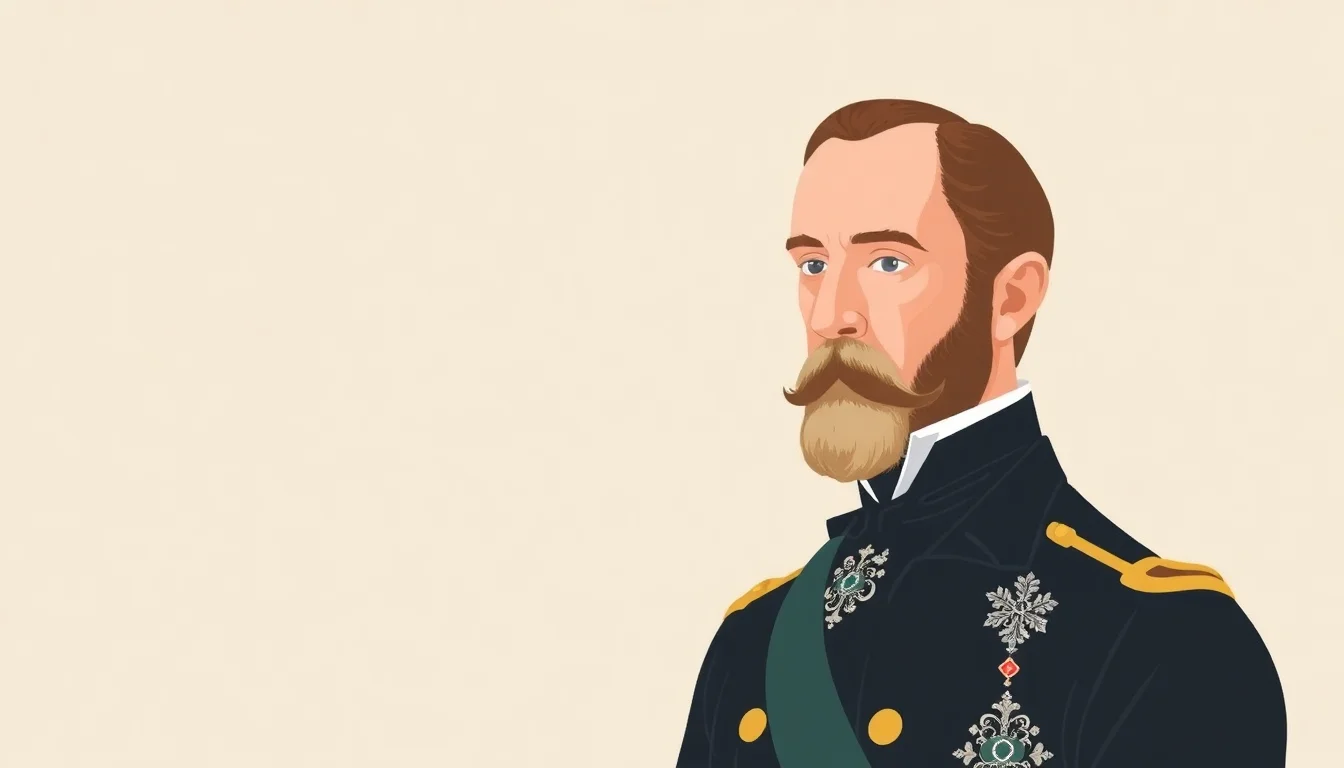
Prince Albert, the German-born husband of Queen Victoria, played a pivotal role in shaping the British monarchy and Victorian society. With a Vibe score of 82, Prince Albert's influence extends beyond his marriage, as he was a key figure in promoting the arts, sciences, and trade. His legacy is marked by the establishment of the Great Exhibition of 1851, which showcased British innovation and culture to the world. However, his life was not without controversy, as he faced criticism for his perceived German bias and his handling of the Crimean War. Despite these challenges, Prince Albert remains a significant figure in British history, with his impact still felt today. As a futurist, one might wonder how Prince Albert's legacy will continue to evolve, particularly in light of the ongoing reevaluation of the British monarchy's role in modern society.
👑 Introduction to Prince Albert
Prince Albert, the German-born husband of Queen Victoria, played a significant role in shaping the Victorian era. Born on August 26, 1819, in Schloss Rosenau, near Coburg, Germany, Albert was the second son of Ernest III, Duke of Saxe-Coburg-Saalfeld, and his first wife, Princess Louise of Saxe-Gotha-Altenburg. He married his first cousin, Queen Victoria, on February 10, 1840, and became the Prince Consort. As the Prince Consort, Albert was instrumental in promoting the British monarchy and fostering a sense of national identity. He worked closely with the Queen to promote the Industrial Revolution and the development of the British Empire. Albert's influence extended beyond the realm of politics, as he was also a patron of the arts and culture.
🏰 Early Life and Marriage
Prince Albert's early life was marked by a strong emphasis on education and the arts. He was educated at the University of Bonn and later at the University of Edinburgh, where he developed a passion for science and technology. In 1839, Albert visited Queen Victoria at Windsor Castle, and the two became engaged. Their marriage was a happy one, and they had nine children together. As the Prince Consort, Albert supported the Queen in her duties and helped to promote the monarchy throughout the United Kingdom. He was also a strong advocate for the abolition of slavery and worked tirelessly to promote the welfare of the poor. Albert's commitment to social justice was evident in his support for the Factory Acts, which aimed to improve working conditions for the working class.
📈 The Great Exhibition of 1851
The Great Exhibition of 1851 was a groundbreaking event that showcased the latest innovations in science and technology. Prince Albert was a key figure in the organization of the exhibition, which was held in the Crystal Palace in London. The exhibition featured exhibits from all over the world, including the latest developments in transportation, communication, and manufacturing. The event was a huge success, attracting millions of visitors and promoting a sense of national pride. Albert's vision for the exhibition was to promote international cooperation and understanding, and it is widely regarded as one of the most significant events of the Victorian era. The exhibition also highlighted the importance of international trade and the need for global cooperation.
🌎 Prince Albert's Foreign Policy
Prince Albert's foreign policy was marked by a commitment to peace and diplomacy. He worked closely with the Queen to promote British interests abroad and to maintain good relations with other European powers. Albert was a strong advocate for the Congress of Vienna, which aimed to promote stability and cooperation in Europe. He also supported the Treaty of London, which established the principle of non-intervention in the affairs of other nations. Albert's commitment to peace and diplomacy was evident in his support for the arbitration of international disputes, and he worked tirelessly to promote the use of diplomacy to resolve conflicts. His approach to foreign policy was influenced by his liberal views and his commitment to the principles of international law.
🎨 The Arts and Architecture
Prince Albert was a patron of the arts and architecture, and his influence can be seen in many of the great buildings and monuments of the Victorian era. He was a strong supporter of the Gothic Revival style, which emphasized the use of medieval architectural forms and decoration. Albert's love of architecture was evident in his support for the construction of the Royal Albert Hall, which was completed in 1871. He also supported the development of the Victoria and Albert Museum, which is now one of the world's greatest museums of art and design. Albert's commitment to the arts was not limited to architecture, as he was also a patron of music and theater. He supported the work of many prominent artists and musicians, including Charles Dickens and Felix Mendelssohn.
💔 Personal Life and Legacy
Prince Albert's personal life was marked by tragedy, as he died at the age of 42 from complications related to typhoid fever. His death was a devastating blow to Queen Victoria, who was deeply in love with him. The Queen's grief was so intense that she went into a period of mourning that lasted for the rest of her life. Albert's legacy, however, lived on, and he is remembered as one of the most influential and beloved members of the British royal family. His commitment to social justice and his support for the arts and education have had a lasting impact on British society. Albert's influence can also be seen in the many institutions and organizations that he supported, including the University of London and the Royal Society.
👫 Relationships with Other Royals
Prince Albert's relationships with other royals were complex and often fraught. He was a strong supporter of the German Confederation, and he worked tirelessly to promote good relations between Britain and the German states. Albert's relationships with other European royals were also influenced by his commitment to the principles of liberalism and his support for the nationalist movements that were sweeping across Europe. He was a strong supporter of the Italian unification movement, and he worked closely with the Kingdom of Sardinia to promote the cause of Italian independence. Albert's relationships with other royals were not always easy, however, and he was often at odds with the Russian Empire and the Austrian Empire.
🏛️ The Prince Albert Era
The Prince Albert era was marked by significant social, economic, and cultural change. The Industrial Revolution was transforming the British economy, and the country was experiencing rapid urbanization and industrialization. The Prince Albert era was also marked by significant developments in the arts and culture, including the emergence of the Pre-Raphaelite Brotherhood and the development of the Gothic Revival style. Albert's influence can be seen in many of the great buildings and monuments of the era, including the Crystal Palace and the Royal Albert Hall. The Prince Albert era was also marked by significant developments in science and technology, including the development of the telegraph and the railway.
👑 Conclusion and Lasting Impact
In conclusion, Prince Albert was a highly influential and beloved member of the British royal family. His commitment to social justice, education, and the arts has had a lasting impact on British society. Albert's legacy can be seen in many of the great institutions and organizations that he supported, including the University of London and the Royal Society. His influence can also be seen in the many buildings and monuments that he commissioned, including the Royal Albert Hall and the Victoria and Albert Museum. As we look to the future, it is clear that Prince Albert's legacy will continue to inspire and influence generations to come. His commitment to the principles of liberalism and his support for the nationalist movements that were sweeping across Europe have had a lasting impact on British society and politics.
Key Facts
- Year
- 1819
- Origin
- Coburg, Germany
- Category
- History
- Type
- Historical Figure
Frequently Asked Questions
Who was Prince Albert?
Prince Albert was the German-born husband of Queen Victoria and the Prince Consort of the United Kingdom. He was born on August 26, 1819, and died on December 14, 1861. Albert was a highly influential and beloved member of the British royal family, and his commitment to social justice, education, and the arts has had a lasting impact on British society.
What was the Great Exhibition of 1851?
The Great Exhibition of 1851 was a groundbreaking event that showcased the latest innovations in science and technology. The exhibition was held in the Crystal Palace in London and featured exhibits from all over the world. It was a huge success, attracting millions of visitors and promoting a sense of national pride. The exhibition was organized by Prince Albert, who was a key figure in its development and execution.
What was Prince Albert's approach to foreign policy?
Prince Albert's approach to foreign policy was marked by a commitment to peace and diplomacy. He worked closely with Queen Victoria to promote British interests abroad and to maintain good relations with other European powers. Albert was a strong advocate for the Congress of Vienna, which aimed to promote stability and cooperation in Europe. He also supported the Treaty of London, which established the principle of non-intervention in the affairs of other nations.
What was Prince Albert's legacy?
Prince Albert's legacy is complex and multifaceted. He is remembered as one of the most influential and beloved members of the British royal family, and his commitment to social justice, education, and the arts has had a lasting impact on British society. Albert's influence can be seen in many of the great institutions and organizations that he supported, including the University of London and the Royal Society. His legacy continues to inspire and influence generations to come.
How did Prince Albert die?
Prince Albert died on December 14, 1861, from complications related to typhoid fever. He was just 42 years old at the time of his death. Albert's death was a devastating blow to Queen Victoria, who was deeply in love with him. The Queen's grief was so intense that she went into a period of mourning that lasted for the rest of her life.