
Contents
- 🌐 Introduction to Printable Electronics
- 💻 The History of Printable Electronics
- 📈 Market Trends and Opportunities
- 🔍 Technical Overview of Printable Electronics
- 📊 Applications of Printable Electronics
- 🌈 Flexible Displays and Wearable Technology
- 🚀 Future Directions and Challenges
- 🤝 Collaborations and Innovations
- 📊 Economic Impact and Investment
- 🌐 Global Adoption and Standardization
- 📚 Education and Research Initiatives
- Frequently Asked Questions
- Related Topics
Overview
Printable electronics, with a vibe score of 80, represents a significant shift in the way electronic devices are designed and manufactured. This field combines advances in materials science, nanotechnology, and printing techniques to create flexible, wearable, and disposable electronics. Researchers like Dr. Jennifer Lewis and companies like Nano Dimension are pushing the boundaries of what's possible. The controversy spectrum for printable electronics is moderate, with debates surrounding the environmental impact of disposable electronics and the potential for job displacement in traditional manufacturing. As the technology continues to evolve, we can expect to see new applications in fields like healthcare, energy, and consumer electronics. With influence flows tracing back to the early work of researchers like Dr. Alan Heeger, printable electronics is poised to revolutionize the way we interact with technology, with a projected market size of $10 billion by 2025.
🌐 Introduction to Printable Electronics
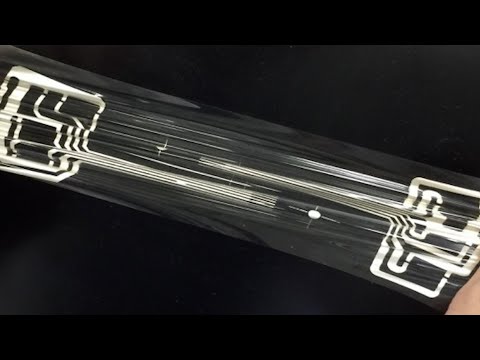
Printable electronics, also known as printed electronics, is an emerging technology that enables the creation of electronic devices using printing techniques. This innovative approach has the potential to revolutionize the way we design, manufacture, and use electronic devices. With the ability to print electronics on flexible substrates, such as plastic or paper, the possibilities for new applications and products are vast. Companies like HP and Xerox are already exploring the potential of printable electronics. As the technology continues to advance, we can expect to see a wide range of innovative products and applications emerge, from wearable technology to Internet of Things devices.
💻 The History of Printable Electronics
The history of printable electronics dates back to the 1990s, when researchers first began exploring the use of printing techniques to create electronic devices. Since then, the technology has evolved rapidly, with significant advancements in materials science and printing technology. Today, printable electronics is a thriving field, with applications in a wide range of areas, including healthcare, energy, and consumer electronics. The development of printable electronics has been influenced by the work of pioneers like Alan Heeger and Alan MacDiarmid, who were awarded the Nobel Prize in 2000 for their discovery of conductive polymers.
📈 Market Trends and Opportunities
The market for printable electronics is expected to grow significantly in the coming years, driven by increasing demand for flexible and low-cost electronic devices. According to a report by MarketsandMarkets, the global printable electronics market is projected to reach $12.6 billion by 2025, growing at a compound annual growth rate of 23.6%. This growth will be driven by applications in areas like wearable technology, Internet of Things, and automotive. Companies like Samsung and LG are already investing heavily in printable electronics, and we can expect to see a wide range of new products and applications emerge in the coming years.
🔍 Technical Overview of Printable Electronics
From a technical perspective, printable electronics involves the use of printing techniques to create electronic devices on flexible substrates. This can be achieved using a variety of printing technologies, including inkjet printing, screen printing, and gravure printing. The choice of printing technology depends on the specific application and the required properties of the device. For example, inkjet printing is often used for high-resolution applications, while screen printing is used for larger-scale productions. The development of new materials and printing technologies is critical to the advancement of printable electronics, and researchers are working to develop new materials with improved properties, such as higher conductivity and flexibility.
📊 Applications of Printable Electronics
The applications of printable electronics are vast and varied, ranging from wearable technology and Internet of Things devices to medical devices and energy harvesting systems. One of the most significant advantages of printable electronics is its ability to enable the creation of flexible and low-cost electronic devices, which can be used in a wide range of applications. For example, printable electronics can be used to create flexible displays for wearable technology devices, or to develop low-cost sensors for Internet of Things applications. Companies like Google and Microsoft are already exploring the potential of printable electronics in areas like artificial intelligence and machine learning.
🌈 Flexible Displays and Wearable Technology
Flexible displays and wearable technology are two of the most exciting applications of printable electronics. With the ability to print electronics on flexible substrates, it is possible to create displays that can be bent, folded, or even stretched. This has significant implications for the development of wearable technology, which requires devices that are not only flexible but also low-power and low-cost. Companies like Samsung and LG are already developing flexible displays using printable electronics, and we can expect to see a wide range of new wearable technology devices emerge in the coming years. The development of wearable technology is also being driven by advancements in materials science, particularly in the development of new materials with improved properties, such as higher conductivity and flexibility.
🚀 Future Directions and Challenges
As printable electronics continues to advance, we can expect to see a wide range of new applications and products emerge. However, there are also significant challenges to be addressed, including the development of new materials and printing technologies. Researchers are working to develop new materials with improved properties, such as higher conductivity and flexibility, and to develop new printing technologies that can be used to create high-resolution devices. The development of printable electronics is also being driven by collaborations between industry and academia, with companies like HP and Xerox working with researchers to develop new technologies and applications. As the technology continues to advance, we can expect to see significant investments in research and development, particularly in areas like materials science and printing technology.
🤝 Collaborations and Innovations
Collaborations and innovations are critical to the advancement of printable electronics. Companies like Samsung and LG are working with researchers to develop new technologies and applications, and there are a wide range of research initiatives and collaborations underway. For example, the National Science Foundation is funding research into the development of new materials and printing technologies for printable electronics. The development of printable electronics is also being driven by the work of pioneers like Alan Heeger and Alan MacDiarmid, who were awarded the Nobel Prize in 2000 for their discovery of conductive polymers.
📊 Economic Impact and Investment
The economic impact of printable electronics is expected to be significant, with the potential to create new industries and job opportunities. According to a report by MarketsandMarkets, the global printable electronics market is projected to reach $12.6 billion by 2025, growing at a compound annual growth rate of 23.6%. This growth will be driven by applications in areas like wearable technology, Internet of Things, and automotive. The development of printable electronics is also expected to have a significant impact on the environment, with the potential to reduce waste and improve sustainability. Companies like Google and Microsoft are already investing in printable electronics, and we can expect to see a wide range of new products and applications emerge in the coming years.
🌐 Global Adoption and Standardization
As printable electronics continues to advance, we can expect to see a wide range of new applications and products emerge. The global adoption of printable electronics will be driven by the development of new materials and printing technologies, as well as the establishment of standards and regulations for the industry. Companies like HP and Xerox are already working to establish standards for printable electronics, and there are a wide range of research initiatives and collaborations underway to develop new technologies and applications. The development of printable electronics is also being driven by the work of pioneers like Alan Heeger and Alan MacDiarmid, who were awarded the Nobel Prize in 2000 for their discovery of conductive polymers.
📚 Education and Research Initiatives
Education and research initiatives are critical to the advancement of printable electronics. There are a wide range of programs and initiatives underway to develop new technologies and applications, and to establish standards and regulations for the industry. For example, the National Science Foundation is funding research into the development of new materials and printing technologies for printable electronics. Companies like Google and Microsoft are also investing in education and research initiatives, and we can expect to see a wide range of new products and applications emerge in the coming years. The development of printable electronics is also being driven by collaborations between industry and academia, with companies like Samsung and LG working with researchers to develop new technologies and applications.
Key Facts
- Year
- 2010
- Origin
- United States
- Category
- Emerging Technology
- Type
- Technology
Frequently Asked Questions
What is printable electronics?
Printable electronics, also known as printed electronics, is an emerging technology that enables the creation of electronic devices using printing techniques. This innovative approach has the potential to revolutionize the way we design, manufacture, and use electronic devices. With the ability to print electronics on flexible substrates, such as plastic or paper, the possibilities for new applications and products are vast. Companies like HP and Xerox are already exploring the potential of printable electronics.
What are the applications of printable electronics?
The applications of printable electronics are vast and varied, ranging from wearable technology and Internet of Things devices to medical devices and energy harvesting systems. One of the most significant advantages of printable electronics is its ability to enable the creation of flexible and low-cost electronic devices, which can be used in a wide range of applications. For example, printable electronics can be used to create flexible displays for wearable technology devices, or to develop low-cost sensors for Internet of Things applications.
What is the future of printable electronics?
The future of printable electronics is exciting and rapidly evolving. As the technology continues to advance, we can expect to see a wide range of new applications and products emerge. The development of new materials and printing technologies will be critical to the advancement of printable electronics, and researchers are working to develop new materials with improved properties, such as higher conductivity and flexibility. Companies like Google and Microsoft are already investing in printable electronics, and we can expect to see a wide range of new products and applications emerge in the coming years.
What are the challenges facing the development of printable electronics?
The development of printable electronics faces several challenges, including the need for new materials and printing technologies. Researchers are working to develop new materials with improved properties, such as higher conductivity and flexibility, and to develop new printing technologies that can be used to create high-resolution devices. The development of printable electronics is also being driven by collaborations between industry and academia, with companies like Samsung and LG working with researchers to develop new technologies and applications.
What is the economic impact of printable electronics?
The economic impact of printable electronics is expected to be significant, with the potential to create new industries and job opportunities. According to a report by MarketsandMarkets, the global printable electronics market is projected to reach $12.6 billion by 2025, growing at a compound annual growth rate of 23.6%. This growth will be driven by applications in areas like wearable technology, Internet of Things, and automotive. The development of printable electronics is also expected to have a significant impact on the environment, with the potential to reduce waste and improve sustainability.