
Contents
- 🎵 Origins & History
- ⚙️ How It Works
- 📊 Key Facts & Numbers
- 👥 Key People & Organizations
- 🌍 Cultural Impact & Influence
- ⚡ Current State & Latest Developments
- 🤔 Controversies & Debates
- 🔮 Future Outlook & Predictions
- 💡 Practical Applications
- 📚 Related Topics & Deeper Reading
- Frequently Asked Questions
- References
- Related Topics
Overview
The concept of a manufacturer producing goods for another entity to brand and sell predates modern retail by centuries, with artisans historically crafting wares for merchants. However, the formalization of private label production as a distinct business model gained significant traction in the early 20th century, coinciding with the rise of large-scale retail operations in the United States and Europe. Early pioneers like F.W. Woolworth and Sears, Roebuck and Co. built empires on the back of their own branded goods, often manufactured by third parties. The post-World War II era saw an explosion in consumerism and the proliferation of supermarkets, which further cemented the importance of store brands. Retailers like Kroger and Walmart began developing their own exclusive lines, such as Kroger's early private labels and Walmart's Great Value, to differentiate themselves and capture higher margins. This period also saw the emergence of specialized contract manufacturers who focused solely on producing for others, laying the groundwork for today's sophisticated private label industry.
⚙️ How It Works
At its core, private label production involves a contractual agreement where a manufacturer (the producer) creates products to the specifications of a client (the retailer or distributor). The client then brands these products under their own name, controlling pricing, marketing, and distribution. This model differs from white-labeling, where the manufacturer designs and produces a generic product that multiple clients can then brand. For private label, the client dictates the product's formulation, packaging, and quality standards. The producer's role is to execute these specifications efficiently and at scale, often leveraging their specialized manufacturing expertise and existing infrastructure. This allows retailers to bypass the complexities of in-house manufacturing, focusing instead on brand building and customer engagement, while producers gain consistent orders and market access without the burden of direct consumer marketing.
📊 Key Facts & Numbers
The private label market is a colossal force in global commerce, accounting for a substantial share of retail sales. In the United States, private label products represented approximately 19.5% of all CPG (Consumer Packaged Goods) sales in 2023, translating to over $200 billion in revenue. Globally, this figure is even higher, with some European markets seeing private label penetration exceeding 40%. For instance, in Switzerland, private labels hold a dominant 52% market share. The growth rate of private label sales has consistently outpaced national brands in recent years, with a compound annual growth rate (CAGR) of around 4.8% compared to 2.5% for national brands between 2018 and 2023. This trend is driven by increasing consumer trust in store brands and a desire for value, especially during economic downturns.
👥 Key People & Organizations
While private label producers are often anonymous, certain organizations and individuals have played pivotal roles in shaping the industry. Large retail conglomerates like walmart, Costco, and Target are massive clients, driving demand and setting standards. Specialized contract manufacturers, such as TreeHouse Foods (a major supplier of private label foods and beverages) and Global Packaging Inc., are key players on the production side. Industry associations like the Private Label Manufacturers Association (PLMA) advocate for the sector and provide platforms for networking and showcasing capabilities. While individual factory owners or CEOs are rarely household names, their collective efforts in optimizing supply chains and ensuring quality are indispensable to the retail ecosystem.
🌍 Cultural Impact & Influence
The influence of private label producers extends far beyond mere product availability; they have fundamentally reshaped consumer expectations and retail competition. By enabling retailers to offer competitive alternatives to national brands, private labels have driven down prices across numerous categories, from groceries to electronics. This has democratized access to a wider range of goods for consumers, particularly those on tighter budgets. Furthermore, the success of private labels has forced national brands to innovate more rapidly and justify their premium pricing through superior marketing and perceived quality. The rise of private label has also fostered a more dynamic marketplace where retailers can curate unique product assortments, fostering brand loyalty and differentiating themselves in an increasingly crowded retail landscape. The ubiquity of store brands, from Aldi's budget-friendly options to Whole Foods's premium organic lines, is a testament to their pervasive cultural impact.
⚡ Current State & Latest Developments
The private label sector is currently experiencing robust growth, fueled by persistent inflation and evolving consumer preferences. Retailers are increasingly investing in their private label portfolios, launching new premium and niche lines to capture market share and enhance margins. For example, in 2024, many major grocers are expanding their organic, plant-based, and international food offerings under their own brands. Technology is also playing a significant role, with advancements in AI and data analytics enabling producers and retailers to better predict consumer demand and optimize product development. Contract manufacturers are also diversifying their capabilities, moving into more complex product categories and offering greater customization. The ongoing supply chain disruptions have also highlighted the resilience and agility of private label production, making it an attractive option for retailers seeking greater control over their inventory.
🤔 Controversies & Debates
The anonymity of private label producers is a double-edged sword, sparking ongoing debates about transparency, quality control, and labor practices. Critics often question the ethical standards of manufacturers who may operate with less public scrutiny than established national brands. Concerns arise regarding worker conditions, environmental impact, and the potential for lower quality ingredients or materials to meet aggressive price points. While many private label producers adhere to stringent quality standards set by their retail partners, the lack of direct brand accountability can sometimes lead to issues. Furthermore, the intense price competition inherent in the private label model can put immense pressure on producers, potentially leading to corner-cutting. The debate intensifies when private label products face recalls or quality issues, raising questions about who bears ultimate responsibility: the manufacturer or the retailer.
🔮 Future Outlook & Predictions
The future of private label production appears exceptionally bright, with continued expansion and innovation on the horizon. Experts predict that private labels will continue to gain market share, especially in emerging economies and in categories previously dominated by national brands, such as health and beauty and pet care. We can expect to see a further blurring of lines between private label and national brands, with retailers investing heavily in premium and artisanal offerings that rival established players. Sustainability will also become a more significant differentiator, with consumers increasingly seeking private label products that align with their environmental values. Furthermore, advancements in manufacturing technologies, including automation and 3D printing, could enable even greater customization and efficiency for private label producers, allowing them to respond more nimbly to market trends and retailer demands.
💡 Practical Applications
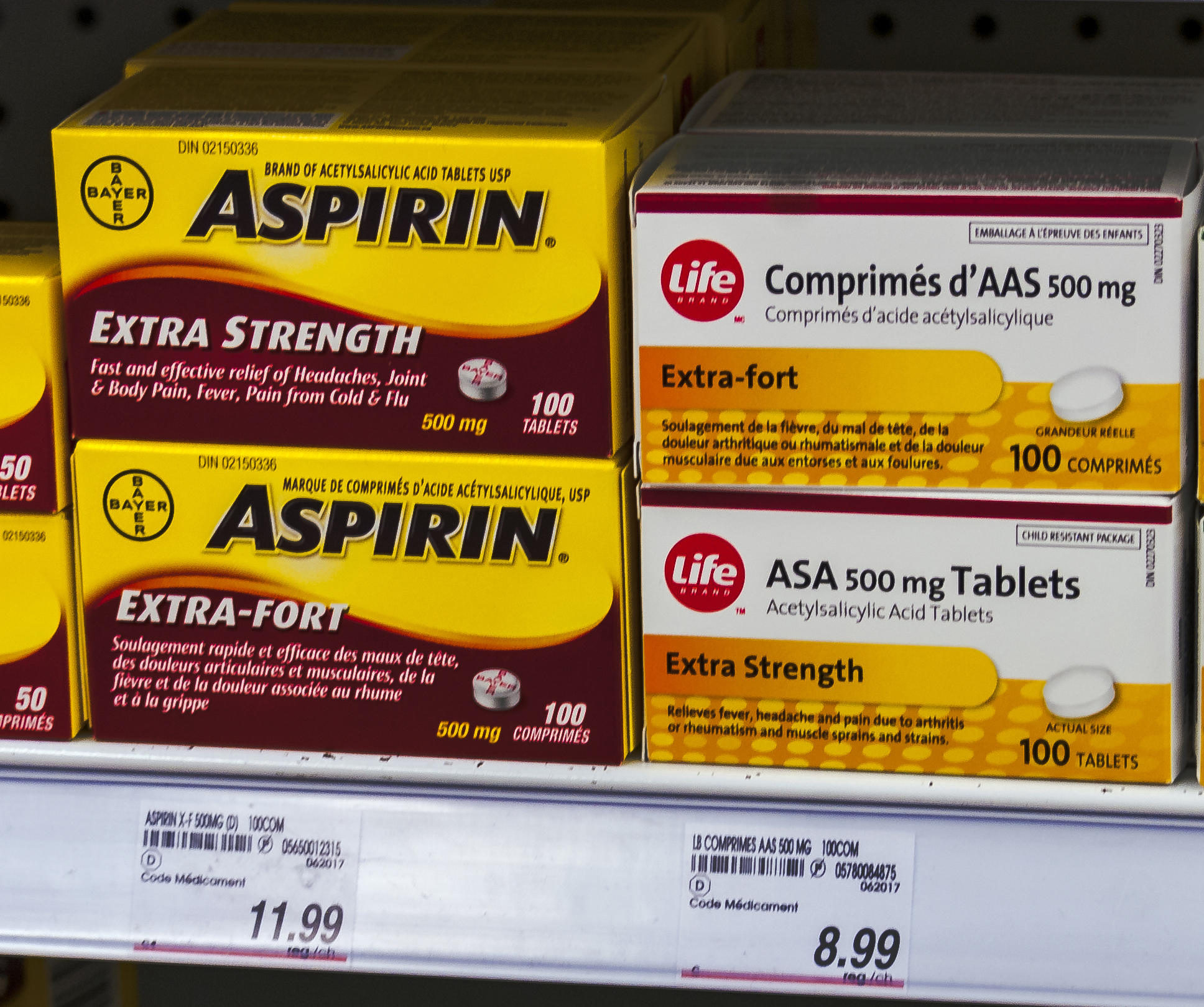
Private label production is not confined to a single industry; its applications are vast and varied. In the food and beverage sector, producers manufacture everything from dairy products and baked goods to frozen meals and snacks for retailers like whole-foods-market and Trader Joe's. The apparel industry relies heavily on private label manufacturers for store brands found at retailers such as Gap Inc. and H&M. In electronics, companies produce everything from televisions and headphones for brands like best-buy to computer accessories for office supply chains. The pharmaceutical industry also utilizes private label for generic medications, while the home goods sector sees producers crafting furniture, decor, and cleaning supplies for retailers like IKEA and Bed Bath & Beyond. Essentially, any product sold under a retailer's exclusive brand name is a potential output of a private label producer.
Key Facts
- Year
- Early 20th Century (formalization)
- Origin
- United States
- Category
- business
- Type
- concept
Frequently Asked Questions
What is the primary difference between private label and white label producers?
Private label producers manufacture goods exclusively for a specific client, who dictates the product specifications and brands it as their own. White label producers, conversely, manufacture a standardized product that multiple clients can then brand and sell. The key distinction lies in the level of client control over product design and exclusivity. For instance, a private label producer might create a unique blend of coffee for Starbucks, whereas a white label producer might make a generic coffee blend available to any interested retailer.
Why do retailers use private label producers instead of manufacturing themselves?
Retailers leverage private label producers to reduce the significant capital investment and operational complexity associated with in-house manufacturing. This includes costs for factories, equipment, labor, and regulatory compliance. By outsourcing production to specialized manufacturers like TreeHouse Foods, retailers can focus on their core competencies: marketing, merchandising, and customer experience. This strategy allows them to offer unique products, control margins, and compete more effectively against national brands, as seen with Kirkland Signature at Costco.
How do private label producers ensure quality and safety?
Private label producers typically adhere to strict quality control standards and certifications mandated by their retail clients. These often include ISO 9001 certifications, HACCP plans for food safety, and specific product testing protocols. Retailers conduct audits of their manufacturing partners and may require compliance with industry-specific regulations, such as those from the FDA for food and pharmaceuticals. While the producer executes the manufacturing, the retailer ultimately bears responsibility for the product's quality and safety in the eyes of the consumer.
What are the economic benefits for private label producers?
The primary economic benefit for private label producers is the assurance of consistent, large-volume orders from established retailers, which provides stable revenue streams and allows for economies of scale. By focusing on manufacturing efficiency rather than brand marketing, they can achieve competitive production costs. This model also allows producers to build expertise in specific product categories and develop long-term relationships with major retail partners like walmart and Target. However, this often comes with intense price pressure from the retailers.
Are private label producers always anonymous?
While many private label producers operate anonymously, often by contractual agreement, some are permitted to disclose their role publicly or even brand themselves as manufacturers. For example, a company might produce private label goods for Aldi and also offer its own branded products in different markets or channels. The level of anonymity is typically determined by the contract between the producer and the retailer, balancing the retailer's desire for brand exclusivity with the producer's need for market recognition and potential diversification.
How has the rise of e-commerce impacted private label producers?
The growth of e-commerce has significantly impacted private label producers by creating new channels for distribution and increasing competition. Online retailers like Amazon have launched numerous private label brands, directly competing with traditional retailers and their producers. This has pushed private label producers to become more agile, data-driven, and capable of supporting direct-to-consumer (DTC) models. It also necessitates robust online presence and logistics management for both producers and their retail partners to ensure product availability and visibility in the digital marketplace.
What are the future trends for private label production?
Future trends for private label production include a greater emphasis on premiumization, sustainability, and customization. Retailers are increasingly developing higher-quality, niche private label lines that rival national brands in terms of ingredients, design, and functionality, as seen with whole-foods-market's premium offerings. There's also a growing demand for ethically sourced and environmentally friendly products, pushing producers to adopt sustainable practices. Furthermore, advancements in technology will enable greater personalization and faster product development cycles, allowing private label producers to respond more dynamically to evolving consumer tastes and market demands.