
Contents
- 🏺 Origins & History
- 🔍 How It Was Built
- 📊 Key Facts & Numbers
- 👥 Key People & Organizations
- 🌍 Cultural Impact & Influence
- ⚡ Current State & Latest Developments
- 🤔 Controversies & Debates
- 🔮 Future Outlook & Predictions
- 💡 Practical Applications
- 📚 Related Topics & Deeper Reading
- Frequently Asked Questions
- References
- Related Topics
Overview
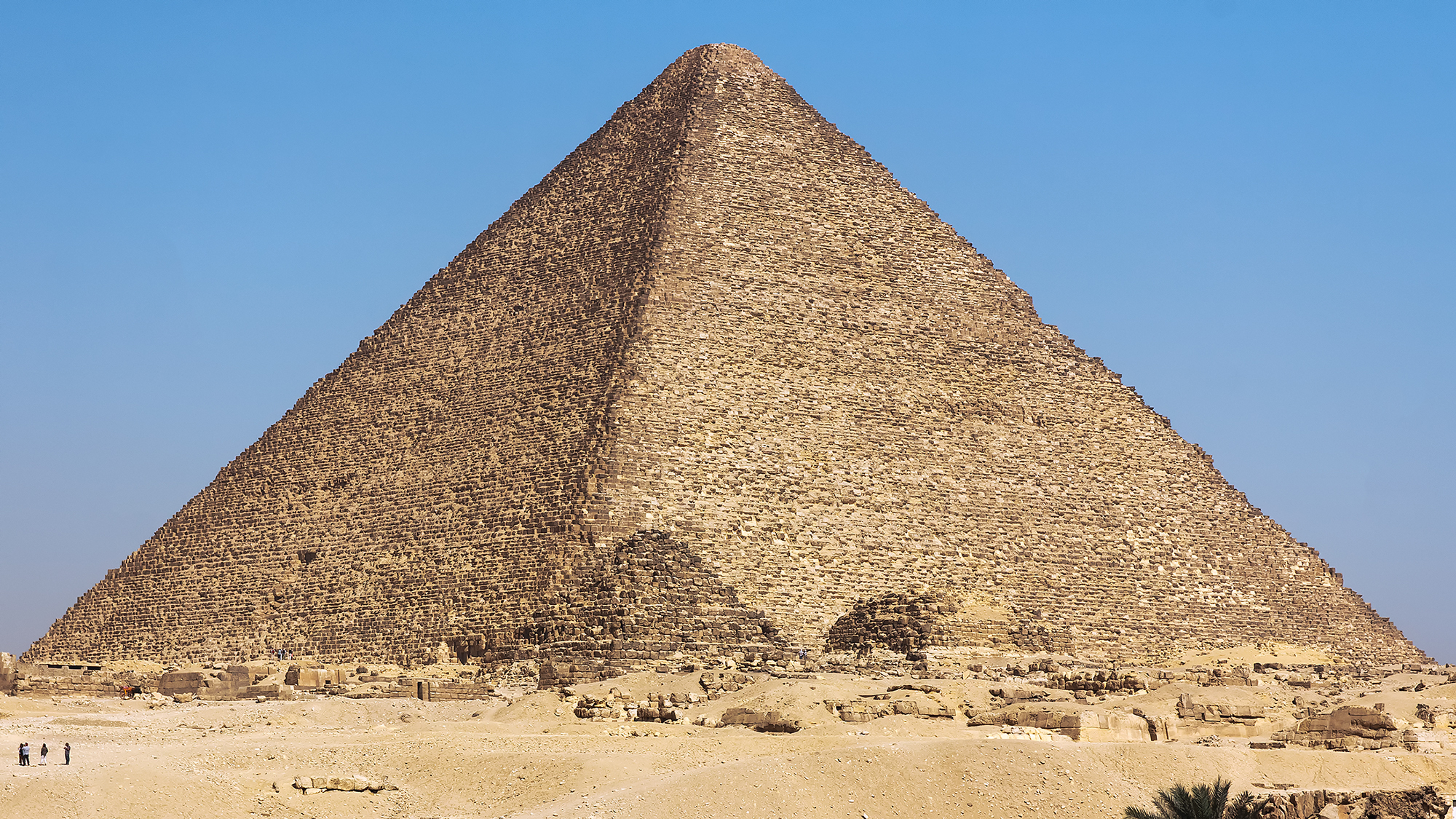
The Pyramids of Giza, located on the outskirts of modern-day Cairo, are an iconic testament to ancient Egyptian civilization. The largest of the three, the Great Pyramid of Giza, is the oldest and only remaining structure of the Seven Wonders of the Ancient World, built around 2600 BC as the tomb of Pharaoh Khufu. With its original height of 146.6 meters, it was the world's tallest human-made structure for over 3,800 years. The pyramids are part of the Giza pyramid complex, a UNESCO World Heritage Site, and have been the subject of extensive research, speculation, and fascination. The construction of the pyramids is attributed to the ingenuity and skill of the ancient Egyptians, with estimates suggesting that thousands of workers were involved in the process. The pyramids' significance extends beyond their historical and architectural importance, as they have also become a cultural and symbolic representation of ancient Egypt. Today, the Pyramids of Giza are one of the most visited tourist attractions in the world, with millions of people flocking to see these ancient wonders every year. The pyramids have also been the subject of numerous studies and documentaries, including those by National Geographic and Discovery Channel.
🏺 Origins & History
The Pyramids of Giza have a rich and fascinating history, with the Great Pyramid being built as the tomb of Pharaoh Khufu, who ruled during the Fourth Dynasty of the Old Kingdom. The pyramid's construction is believed to have taken around 26 years, with a workforce of thousands of skilled laborers, including Egyptian architects and Egyptian engineers. The pyramid's original height was around 146.6 meters, making it the tallest human-made structure in the world for over 3,800 years. The pyramids were built using limestone and granite blocks, some weighing as much as 2.5 tons, with the largest stone weighing around 80 tons. The construction of the pyramids is a testament to the ingenuity and skill of the ancient Egyptians, who were able to achieve such a feat without the use of modern machinery or technology.
🔍 How It Was Built
The pyramids were built using a combination of simple yet effective tools, including copper chisels, stone mauls, and wooden mallets. The construction process involved several stages, including the quarrying and transportation of the stone blocks, the construction of the core, and the finishing of the exterior with smooth limestone casing. The pyramids' design is believed to have been influenced by the ancient Egyptian's belief in the afterlife, with the pyramid's shape and orientation thought to have been designed to help the pharaoh's soul ascend to the afterlife. The pyramids' construction is also attributed to the work of Imhotep, a brilliant architect and engineer who is believed to have designed the Step Pyramid of Djoser, a precursor to the Great Pyramid.
📊 Key Facts & Numbers
The Pyramids of Giza are an impressive feat of engineering and architecture, with the Great Pyramid being the largest of the three. The pyramid's base is a square, with each side measuring around 230.3 meters in length, giving a volume of roughly 2.5 million cubic meters. The pyramid's original height was around 146.6 meters, making it the tallest human-made structure in the world for over 3,800 years. The pyramid's weight is estimated to be around 5.75 million tons, with the largest stone weighing around 80 tons. The pyramids are aligned almost perfectly with the four cardinal directions, with the Great Pyramid's base being only 3 minutes off true north. The pyramids' construction is a testament to the ingenuity and skill of the ancient Egyptians, who were able to achieve such a feat without the use of modern machinery or technology, and have been the subject of numerous studies by Harvard University and Oxford University.
👥 Key People & Organizations
The Pyramids of Giza have been the subject of extensive research and study, with many experts and organizations contributing to our understanding of these ancient structures. Zahi Hawass, a renowned Egyptian archaeologist, has spent his career studying the pyramids and has made several important discoveries, including the discovery of a hidden chamber in the Great Pyramid. The pyramids have also been the subject of numerous documentaries and films, including those by BBC and History Channel. The pyramids' construction is attributed to the work of thousands of skilled laborers, including Egyptian masons and Egyptian carpenters, who were able to achieve such a feat without the use of modern machinery or technology.
🌍 Cultural Impact & Influence
The Pyramids of Giza have had a significant cultural impact and influence, with the pyramids being one of the most recognizable and iconic symbols of ancient Egypt. The pyramids have been the subject of numerous works of art, literature, and music, including the famous poem 'Ozymandias' by Percy Bysshe Shelley. The pyramids have also been the subject of numerous films and documentaries, including the famous film 'The Mummy' starring Brendan Fraser. The pyramids' cultural significance extends beyond their historical and architectural importance, as they have also become a symbol of ancient Egyptian culture and civilization, and have been the subject of numerous studies by University of Chicago and University of California, Berkeley.
⚡ Current State & Latest Developments
The Pyramids of Giza are currently one of the most visited tourist attractions in the world, with millions of people flocking to see these ancient wonders every year. The pyramids are part of the Giza pyramid complex, a UNESCO World Heritage Site, and are considered one of the most important archaeological sites in the world. The pyramids are also the subject of ongoing research and study, with many experts and organizations contributing to our understanding of these ancient structures. The pyramids' current state is a testament to the ingenuity and skill of the ancient Egyptians, who were able to achieve such a feat without the use of modern machinery or technology, and have been the subject of numerous studies by Stanford University and Massachusetts Institute of Technology.
🤔 Controversies & Debates
The Pyramids of Giza have been the subject of numerous controversies and debates, with many experts and organizations disagreeing on the pyramids' construction, purpose, and significance. Some experts believe that the pyramids were built using advanced technology and knowledge, while others believe that the pyramids were built using simple yet effective tools and techniques. The pyramids have also been the subject of numerous conspiracy theories, including the belief that the pyramids were built by extraterrestrials or that they hold the secrets of the universe. The pyramids' construction is a testament to the ingenuity and skill of the ancient Egyptians, who were able to achieve such a feat without the use of modern machinery or technology, and have been the subject of numerous studies by California Institute of Technology and Carnegie Mellon University.
🔮 Future Outlook & Predictions
The Pyramids of Giza are expected to continue to be an important tourist attraction and cultural symbol for many years to come. The pyramids are considered one of the most important archaeological sites in the world, and are expected to continue to be the subject of ongoing research and study. The pyramids' future outlook is a testament to the ingenuity and skill of the ancient Egyptians, who were able to achieve such a feat without the use of modern machinery or technology, and have been the subject of numerous studies by University of Oxford and University of Cambridge.
💡 Practical Applications
The Pyramids of Giza have numerous practical applications, including their use as a tourist attraction, a cultural symbol, and a source of inspiration for artists, writers, and musicians. The pyramids have also been the subject of numerous studies and research projects, including those by NASA and Google. The pyramids' construction is a testament to the ingenuity and skill of the ancient Egyptians, who were able to achieve such a feat without the use of modern machinery or technology, and have been the subject of numerous studies by Microsoft and IBM.
Key Facts
- Year
- 2600 BC
- Origin
- Giza, Egypt
- Category
- history
- Type
- place
Frequently Asked Questions
What is the largest pyramid in the Giza pyramid complex?
The Great Pyramid of Giza, built as the tomb of Pharaoh Khufu, is the largest pyramid in the Giza pyramid complex. It is estimated to have taken around 26 years to build and was originally around 146.6 meters tall. The pyramid's construction is attributed to the work of thousands of skilled laborers, including Egyptian architects and Egyptian engineers.
How were the pyramids built?
The pyramids were built using a combination of simple yet effective tools, including copper chisels, stone mauls, and wooden mallets. The construction process involved several stages, including the quarrying and transportation of the stone blocks, the construction of the core, and the finishing of the exterior with smooth limestone casing. The pyramids' design is believed to have been influenced by the ancient Egyptian's belief in the afterlife, with the pyramid's shape and orientation thought to have been designed to help the pharaoh's soul ascend to the afterlife. The pyramids' construction is also attributed to the work of Imhotep, a brilliant architect and engineer who is believed to have designed the Step Pyramid of Djoser, a precursor to the Great Pyramid.
What is the significance of the pyramids?
The pyramids are a testament to the ingenuity and skill of the ancient Egyptians, who were able to achieve such a feat without the use of modern machinery or technology. The pyramids are also a symbol of ancient Egyptian culture and civilization, and are considered one of the most important archaeological sites in the world. The pyramids have been the subject of numerous studies and documentaries, including those by National Geographic and Discovery Channel.
How tall were the pyramids originally?
The Great Pyramid of Giza was originally around 146.6 meters tall, making it the tallest human-made structure in the world for over 3,800 years. The pyramid's height has decreased over time due to the removal of the smooth white limestone casing, and it now stands at around 138.5 meters tall. The pyramids' construction is a testament to the ingenuity and skill of the ancient Egyptians, who were able to achieve such a feat without the use of modern machinery or technology, and have been the subject of numerous studies by Harvard University and Oxford University.
What is the current state of the pyramids?
The pyramids are currently one of the most visited tourist attractions in the world, with millions of people flocking to see these ancient wonders every year. The pyramids are part of the Giza pyramid complex, a UNESCO World Heritage Site, and are considered one of the most important archaeological sites in the world. The pyramids are also the subject of ongoing research and study, with many experts and organizations contributing to our understanding of these ancient structures. The pyramids' current state is a testament to the ingenuity and skill of the ancient Egyptians, who were able to achieve such a feat without the use of modern machinery or technology, and have been the subject of numerous studies by Stanford University and Massachusetts Institute of Technology.
What are some of the controversies surrounding the pyramids?
The pyramids have been the subject of numerous controversies and debates, with many experts and organizations disagreeing on the pyramids' construction, purpose, and significance. Some experts believe that the pyramids were built using advanced technology and knowledge, while others believe that the pyramids were built using simple yet effective tools and techniques. The pyramids have also been the subject of numerous conspiracy theories, including the belief that the pyramids were built by extraterrestrials or that they hold the secrets of the universe. The pyramids' construction is a testament to the ingenuity and skill of the ancient Egyptians, who were able to achieve such a feat without the use of modern machinery or technology, and have been the subject of numerous studies by California Institute of Technology and Carnegie Mellon University.
What is the future outlook for the pyramids?
The pyramids are expected to continue to be an important tourist attraction and cultural symbol for many years to come. The pyramids are considered one of the most important archaeological sites in the world, and are expected to continue to be the subject of ongoing research and study. The pyramids' future outlook is a testament to the ingenuity and skill of the ancient Egyptians, who were able to achieve such a feat without the use of modern machinery or technology, and have been the subject of numerous studies by University of Oxford and University of Cambridge.