
Contents
Overview
The genesis of Real-Time Strategy can be traced back to early computer games that experimented with simultaneous action, but the genre as we know it was largely codified by Westwood Studios with the release of Dune II: The Building of a Dynasty in 1992. Brett Sperry, a producer at Westwood, is widely credited with coining the term "real-time strategy" to distinguish it from turn-based titles. Prior to Dune II, games like UFO: Enemy Unknown (later known as X-COM: UFO Defense) and Herzog Zwei laid crucial groundwork by introducing elements of base management and unit control in a non-turn-based format. However, Dune II's structured approach to resource gathering, base construction, and distinct factions set the template that would be refined by subsequent landmark titles like Warcraft: Orcs & Humans and Command & Conquer, both developed by Blizzard Entertainment and Westwood Studios respectively.
⚙️ How It Works
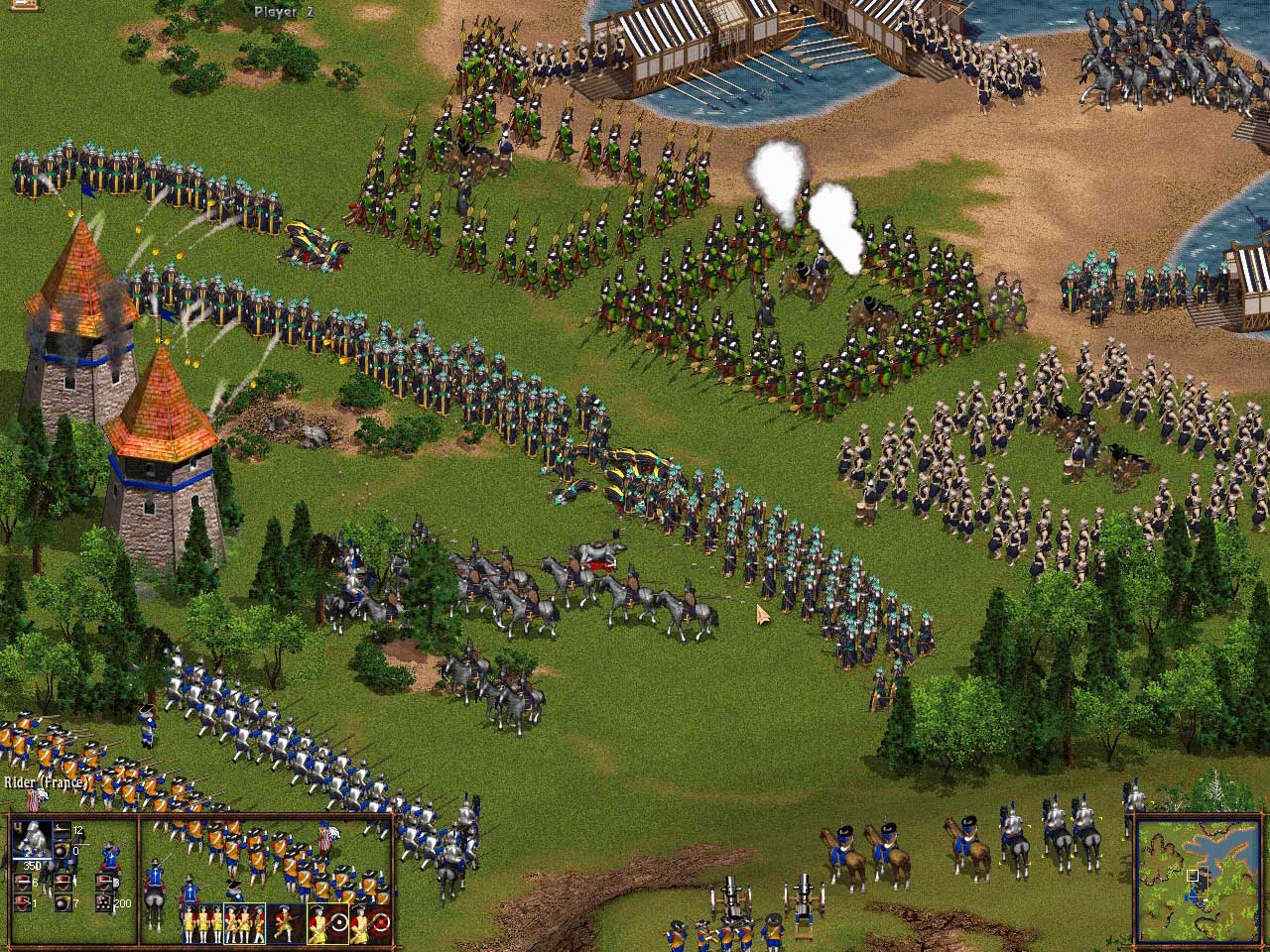
At its core, an RTS game revolves around continuous player interaction with a simulated environment. Players are typically presented with a map, a starting base, and a limited number of initial units. The primary loop involves gathering resources—often depicted as minerals, gas, or lumber—which are then used to construct new buildings, train more powerful units, and research technological upgrades. Unlike turn-based games where players have ample time to plan, RTS demands constant multitasking: managing economic production, scouting enemy positions, defending against attacks, and launching offensive assaults, all while keeping an eye on the minimap. The speed at which players can execute these actions, known as "actions per minute" (APM), is a critical skill, with top professionals achieving hundreds of APM. The interplay between unit counters, map control, and economic efficiency forms the strategic depth.
📊 Key Facts & Numbers
The RTS genre has seen significant commercial success, with some titles selling millions of copies worldwide. The global esports market for RTS games has generated hundreds of millions of dollars in prize pools and sponsorships over the years, with events like the StarCraft Proleague attracting millions of viewers. The average game length for a competitive RTS match typically ranges from 15 to 45 minutes, demanding sustained focus. The number of distinct units and buildings in a single RTS game can range from dozens to over a hundred, offering immense strategic variety.
👥 Key People & Organizations
Beyond the developers, several individuals and organizations have shaped the RTS landscape. Brett Sperry was instrumental at Westwood Studios in defining the genre's early mechanics. Rob Paradowsky and Bill Roper were key figures at Blizzard Entertainment during the development of the Warcraft and StarCraft franchises, which became titans of the genre. The Esports World Cup and DreamHack festivals regularly feature RTS tournaments, showcasing top talent. Organizations like ESL and Blizzard Entertainment itself, through its StarCraft II World Championship Series (WCS), have been crucial in fostering professional scenes and broadcasting high-level play to a global audience.
🌍 Cultural Impact & Influence
Real-Time Strategy games have profoundly influenced not only the gaming industry but also broader popular culture. The intense competition and strategic depth of titles like StarCraft: Brood War have led to its status as a national sport in South Korea, with dedicated television channels and professional leagues, demonstrating an unprecedented level of cultural integration for a video game. The genre's emphasis on resource management and tactical decision-making has also seeped into business strategy simulations and educational tools. Furthermore, the rise of RTS esports has inspired a generation of players and viewers, creating a new form of spectator entertainment that rivals traditional sports in its passion and dedication, with fan communities often developing intricate meta-analyses and lore discussions around games like Age of Empires II.
⚡ Current State & Latest Developments
The RTS genre continues to evolve, though it faces challenges from more accessible genres. While the dominance of StarCraft II and Warhammer 40,000: Dawn of War has waned, new contenders and established franchises are keeping the genre alive. Frost Giant Studios released Stormgate reportedly in 2024, aiming to recapture the spirit of classic RTS. Age of Empires IV has seen considerable success, revitalizing the historical RTS subgenre. Mobile RTS games, such as Clash of Clans, have also found massive audiences, though they often simplify core mechanics for touch interfaces. The ongoing development of AI for RTS games, particularly by researchers at Carnegie Mellon University, also signals continued innovation.
🤔 Controversies & Debates
One of the most persistent debates within the RTS community revolves around the "balance" of different factions or races. Developers like Blizzard Entertainment and Relic Entertainment constantly strive for parity, but achieving perfect balance is an ongoing challenge, often leading to meta-shifts and player frustration. Another controversy concerns the genre's steep learning curve; while its complexity is a draw for many, it also acts as a barrier to entry for new players, leading to discussions about accessibility versus strategic depth. The increasing prevalence of "pay-to-win" mechanics in some free-to-play RTS titles, where in-game purchases can grant significant advantages, is also a point of contention, alienating purists who favor skill-based progression.
🔮 Future Outlook & Predictions
The future of RTS is likely to be shaped by several factors. The integration of AI could lead to more sophisticated opponents and dynamic game scenarios, potentially creating entirely new gameplay experiences. Cloud gaming platforms might also lower the barrier to entry by reducing hardware requirements and enabling seamless multiplayer experiences. Developers are exploring hybrid models, blending RTS elements with other genres, such as MOBAs (Multiplayer Online Battle Arenas) like League of Legends, or survival-crafting games. There's also a growing interest in "grand strategy" RTS titles that incorporate deeper economic and diplomatic systems, appealing to players seeking more long-term strategic engagement beyond immediate battlefield tactics. The potential for VR integration, while currently nascent, could offer an unprecedented level of immersion.
💡 Practical Applications
RTS principles find application beyond entertainment. The core mechanics of resource management, strategic planning, and rapid response are directly transferable to fields like logistics and supply chain management, where optimizing resource allocation and reacting to unforeseen disruptions are paramount. In military simulations, RTS engines are used to train personnel in tactical decision-making and battlefield command, allowing for safe, repeatable scenarios. Business strategy games, often inspired by RTS, help executives understand market dynamics, competitive analysis, and the impact of resource allocation on long-term success. Even in urban planning, the concept of managing limited resources (space, infrastructure) to achieve development goals mirrors RTS gameplay.
Key Facts
- Category
- technology
- Type
- topic