
Contents
Overview
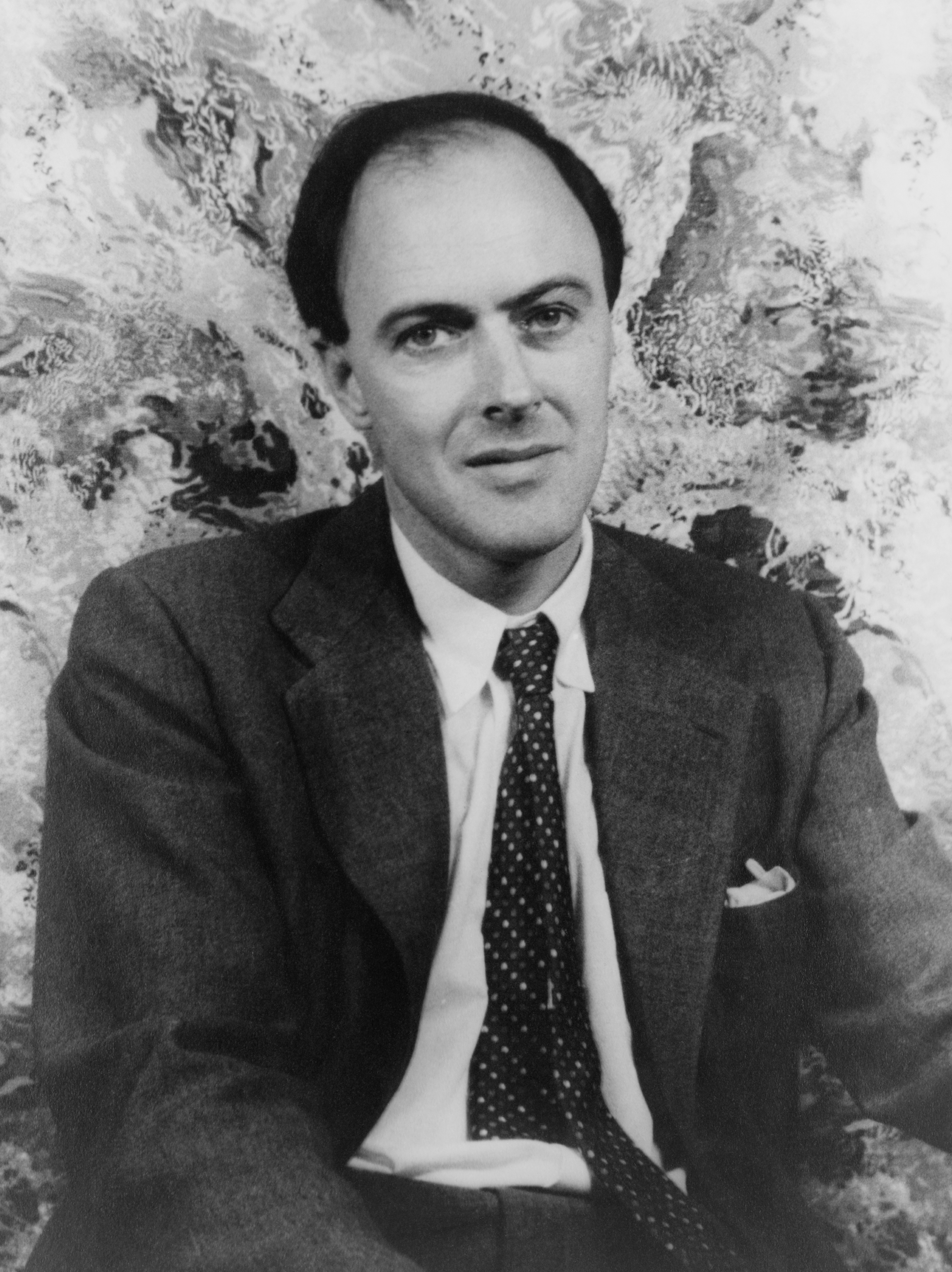
Roald Dahl was a British author whose fantastical and often darkly humorous stories captivated millions, cementing his status as one of the 20th century's most beloved children's writers. Born in Wales to Norwegian immigrants, Dahl's life was as extraordinary as his fiction, encompassing service as a fighter pilot in World War II, a stint in intelligence, and a career that spanned decades and genres. His signature style, characterized by eccentric characters, inventive language, and a healthy dose of the grotesque, redefined children's literature with iconic works like Charlie and the Chocolate Factory, Matilda, and James and the Giant Peach. Beyond children's books, Dahl also penned sophisticated adult short stories, often with a twist of the macabre, such as those collected in Tales of the Unexpected. His legacy endures through the Roald Dahl Story Company, which continues to adapt his works for film, television, and stage, ensuring his unique voice resonates with new generations.
🎵 Origins & History
Roald Dahl was born in Llandaff, Wales, to Norwegian immigrants Harald Dahl and Sofie Magdalene Hesselberg. His early life was marked by tragedy, including the death of his father and sister, events that would subtly color his later narratives. Educated at the prestigious Repton School, Dahl famously recounted his experiences there in his autobiography, Boy: Tales of Childhood, detailing the harsh realities and eccentricities of boarding school life. His wartime service as a fighter pilot for the Royal Air Force during World War II, where he sustained serious injuries, provided material for his first published work, The Gremlins. This period also saw him transition into intelligence work, eventually leading to his diplomatic posting in Washington D.C., where he began writing for The Saturday Evening Post, laying the groundwork for his literary career.
⚙️ How It Works
Dahl's writing process was famously idiosyncratic. He often wrote in a specially constructed hut in his garden at Gipsy House, his home in Great Missenden, Buckinghamshire, using his own unique blend of colored pencils and lined paper. His creative engine was fueled by a keen observation of human nature, a penchant for the absurd, and a deep well of childhood memories, both joyful and traumatic. He meticulously crafted his narratives, often dictating stories to his typist, and was known for his inventive use of language, coining words and phrases that became synonymous with his work, such as 'whizzpopping' and 'gobblefunk'. This linguistic playfulness, combined with his ability to tap into children's anxieties and desires, created a potent formula that resonated deeply with young readers.
📊 Key Facts & Numbers
Dahl's literary output has achieved staggering global reach. His books have been translated into 65 languages, making him one of the most translated authors in the English language. The Roald Dahl Story Company reports that his books are read by children in virtually every country. His film adaptations, such as Tim Burton's Charlie and the Chocolate Factory (2005) and Wes Anderson's Fantastic Mr. Fox (2009), have further amplified his reach, grossing hundreds of millions at the box office.
👥 Key People & Organizations
Beyond his immediate family, including his first wife, actress Patricia Neal, and their children like Tessa Dahl, Roald Dahl's professional circle was significant. His editor, Stephanie Dahl, played a crucial role in shaping his manuscripts. The Roald Dahl Story Company, now managed by his widow Felicity Dahl and their family, oversees his literary estate and brand. Illustrators like Quentin Blake became inseparable from Dahl's characters, their distinctive drawings defining the visual identity of many of his most famous books. Organizations like the Roald Dahl Museum and Story Centre in Great Missenden serve as custodians of his legacy.
🌍 Cultural Impact & Influence
Dahl's influence on children's literature is profound and indelible. He dared to portray children as protagonists who could outwit and overcome cruel or incompetent adults, a theme that empowered generations of young readers. His willingness to explore darker themes, such as neglect, greed, and the consequences of bad behavior, set him apart from more saccharine children's authors. This approach has been credited with fostering critical thinking and resilience in children. Furthermore, his adult short stories, often published in collections like Kiss Kiss, influenced a generation of writers with their sharp wit and surprising twists, impacting genres from crime fiction to dark comedy.
⚡ Current State & Latest Developments
The Roald Dahl brand remains exceptionally vibrant in the 21st century. The Roald Dahl Story Company continues to actively develop new adaptations across various media. Recent years have seen major productions such as the Netflix adaptation of The Witches and the musical film Matilda the Musical. Discussions are ongoing for further film and television projects, including potential adaptations of The Enormous Crocodile and The Magic Finger. His literary estate is also actively engaged in educational initiatives, promoting literacy and creativity through programs inspired by his work.
🤔 Controversies & Debates
Dahl's legacy is not without its controversies. In recent years, his estate has grappled with accusations of antisemitism, stemming from remarks he made in interviews, particularly a 1983 interview with The New Statesman where he expressed prejudiced views. This has led to a complex debate about how to engage with his work, with some calling for a re-evaluation of his legacy and others arguing for separating the art from the artist. The Roald Dahl Story Company has issued apologies for his remarks and committed to promoting inclusivity, leading to revised editions of some of his books that soften certain language, a move that itself has sparked debate among fans and critics.
🔮 Future Outlook & Predictions
The future of Roald Dahl's stories appears to be one of continued adaptation and reinterpretation. With major streaming platforms and film studios actively seeking to leverage his beloved characters and narratives, we can expect a steady stream of new adaptations. The ongoing debate surrounding his personal views will likely continue to shape how his work is presented and received, potentially leading to more nuanced portrayals that acknowledge both his genius and his flaws. Furthermore, the expansion of his literary estate's educational outreach programs suggests a sustained effort to connect his stories with new generations through creative writing workshops and literacy initiatives.
💡 Practical Applications
Dahl's works serve as powerful tools for practical application in education and creative development. His inventive language has inspired vocabulary-building exercises in schools, while his character archetypes offer rich material for drama and role-playing activities. The Roald Dahl Museum and Story Centre in Great Missenden provides educational resources for teachers and families, encouraging children to engage with his stories through creative writing and art projects. His ability to craft compelling narratives with clear moral undertones, even when dealing with complex themes, makes his books valuable for discussions on ethics, empathy, and problem-solving with young audiences.
Key Facts
- Category
- culture
- Type
- person