
Contents
- 🎵 Origins & History
- ⚙️ How It Works
- 📊 Key Facts & Numbers
- 👥 Key People & Organizations
- 🌍 Cultural Impact & Influence
- ⚡ Current State & Latest Developments
- 🤔 Controversies & Debates
- 🔮 Future Outlook & Predictions
- 💡 Practical Applications
- 📚 Related Topics & Deeper Reading
- Frequently Asked Questions
- References
- Related Topics
Overview
The concept of mood changes tied to seasons has been observed for centuries, with ancient Greek physicians like Hippocrates noting links between weather and mental states. However, the formal recognition of Seasonal Affective Disorder as a distinct clinical entity is much more recent. The term 'Seasonal Affective Disorder' was coined in 1984 by psychiatrist Dr. Norman Rosenthal and his colleagues at the National Institute of Mental Health (NIMH) in the United States. Rosenthal, inspired by his own experiences and observations of patients in Bethesda, Maryland, proposed that reduced winter sunlight triggered a specific form of depression. His 1987 book, 'Winter Blues: Seasonal Affective Disorder and the Light Treatment That Can Help,' brought the condition into public consciousness, sparking widespread research and clinical interest. Prior to this, such seasonal mood shifts were often dismissed as 'winter blues' or simply attributed to general depression without a seasonal component.
⚙️ How It Works
The exact biological underpinnings of SAD are still being elucidated, but several theories dominate. A primary hypothesis centers on the disruption of the body's internal clock, or circadian rhythm, due to decreased sunlight. This can affect the production of melatonin, a hormone that regulates sleep-wake cycles, leading to increased sleepiness and lethargy. Another key area of research involves serotonin, a neurotransmitter crucial for mood regulation. Reduced sunlight exposure may lead to lower levels of serotonin in the brain, contributing to depressive symptoms. Some research also points to a deficiency in vitamin D, which is synthesized in the skin upon sun exposure and has been linked to mood regulation. The brain's suprachiasmatic nucleus, the master regulator of circadian rhythms, is thought to be particularly sensitive to light cues, making it a central player in SAD pathophysiology.
📊 Key Facts & Numbers
Globally, SAD affects an estimated 10 million people in the United States alone, with prevalence rates varying by latitude. For instance, the incidence of SAD is significantly higher in regions farther from the equator, with up to 10% of individuals in northern latitudes like Alaska experiencing winter-onset SAD, compared to about 1.5% in southern regions like Florida. Studies indicate that women are four times more likely than men to be diagnosed with SAD. Furthermore, SAD is more common in younger adults, with onset typically occurring between ages 18 and 30. For a substantial portion of sufferers, the disorder can be chronic; approximately 20% of patients report their symptoms completely resolving within five to eleven years, while a concerning 33–44% of individuals with SAD progress to developing non-seasonal major depression over time.
👥 Key People & Organizations
Key figures in understanding SAD include Dr. Norman Rosenthal, who coined the term and championed light therapy. His work at the National Institute of Mental Health (NIMH) was foundational. Dr. Michael Terman, a researcher at Columbia University, has also made significant contributions, particularly in refining light therapy protocols and understanding its efficacy. Organizations like the American Psychiatric Association (APA) play a crucial role in defining and classifying mental health conditions, including SAD, within diagnostic manuals like the Diagnostic and Statistical Manual of Mental Disorders (DSM-5). Research institutions and universities worldwide, such as the University of Manitoba in Canada, continue to investigate the genetic, environmental, and neurological factors contributing to SAD.
🌍 Cultural Impact & Influence
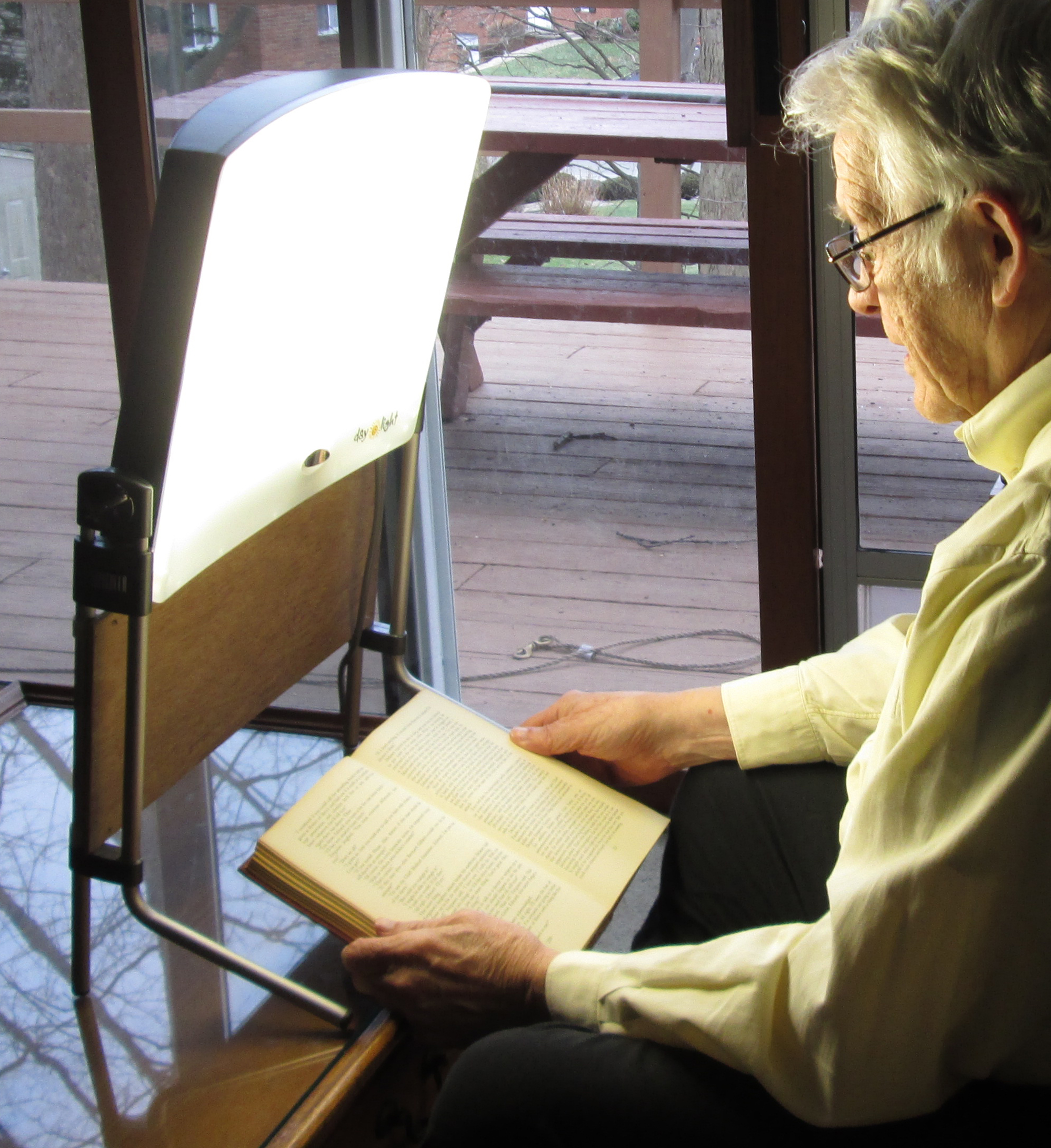
SAD has permeated popular culture, often being referenced in literature, film, and television as the 'winter blues' or 'seasonal depression.' This colloquial understanding, while sometimes oversimplified, has been instrumental in raising awareness, encouraging individuals to seek help, and destigmatizing mental health struggles. The widespread availability of light therapy boxes, a direct result of SAD research, has become a common sight in many homes during darker months. The condition has also influenced discussions around workplace lighting and design, with some companies exploring ways to optimize indoor environments to mitigate seasonal mood impacts. The cultural narrative around SAD highlights a broader societal engagement with mental well-being and the impact of environmental factors on our psychological state.
⚡ Current State & Latest Developments
Current research continues to refine our understanding of SAD's neurobiology and optimize treatment strategies. Advances in phototherapy include the development of more portable and user-friendly light boxes, as well as studies exploring optimal wavelengths and durations of exposure. Researchers are also investigating the role of Cognitive Behavioral Therapy (CBT) specifically adapted for SAD, which aims to help individuals challenge negative thought patterns associated with seasonal changes. Furthermore, ongoing studies are examining potential genetic predispositions and the interplay between SAD and other conditions like bipolar disorder and ADHD. The development of wearable light-emitting devices and personalized treatment algorithms based on individual light sensitivity is also on the horizon.
🤔 Controversies & Debates
One of the primary controversies surrounding SAD is its classification. While recognized as a specifier for major depressive disorder in the DSM-5, some argue it warrants full diagnostic status due to its unique seasonal pattern and distinct triggers. Another debate centers on the efficacy and optimal use of light therapy; while widely prescribed, the specific parameters (intensity, duration, time of day) and long-term benefits are still subjects of ongoing research and clinical discussion. Critics sometimes question whether SAD is truly a distinct disorder or merely a more pronounced manifestation of general mood fluctuations experienced by many during winter. The exact prevalence and diagnostic criteria also remain points of discussion, with varying rates reported across different geographical and cultural contexts.
🔮 Future Outlook & Predictions
The future of SAD treatment likely involves a more personalized and integrated approach. Advances in genomics may allow for the identification of individuals genetically predisposed to SAD, enabling earlier intervention. Further research into the gut-brain axis and its connection to mood regulation could reveal novel therapeutic targets. We may also see the development of more sophisticated light therapy devices that can adapt to individual circadian rhythms and environmental light conditions automatically. Furthermore, the integration of wearable technology for continuous monitoring of sleep patterns, activity levels, and light exposure could lead to highly personalized SAD management plans. The potential for telemedicine to deliver light therapy and psychotherapy remotely will also likely expand access to care.
💡 Practical Applications
The most prominent practical application of SAD research is light therapy. This involves daily exposure to a specialized light box that emits bright light, typically 10,000 lux, for 20-30 minutes each morning. This mimics natural sunlight and helps reset the body's internal clock. Cognitive Behavioral Therapy (CBT) is another key intervention, helping individuals develop coping strategies for seasonal mood changes and challenge negative thoughts. Antidepressant medications, particularly sertraline and bupropion, are also prescribed for more severe cases, often in conjunction with light therapy. Lifestyle adjustments, such as maximizing natural light exposure by spending time outdoors, maintaining a regular sleep schedule, and engaging in physical activity, are also crucial components of managing SAD.
Key Facts
- Year
- 1984 (term coined)
- Origin
- United States
- Category
- science
- Type
- phenomenon
Frequently Asked Questions
What is Seasonal Affective Disorder (SAD)?
Seasonal Affective Disorder (SAD) is a type of depression that comes and goes with the seasons, typically starting in the late fall or early winter and resolving in the spring. It's characterized by a recurring pattern of depressive symptoms, most commonly fatigue, oversleeping, carbohydrate cravings, and a persistent low mood. While often called 'winter blues,' it's a clinical diagnosis, officially a specifier for major depressive disorder, affecting millions worldwide and linked to changes in daylight exposure.
What causes SAD?
The exact cause of SAD is not fully understood, but it's strongly linked to reduced exposure to natural sunlight during the darker months. This lack of light is believed to disrupt the body's internal clock (circadian rhythm), affecting sleep-wake cycles and the production of hormones like melatonin. It may also lead to lower levels of serotonin, a neurotransmitter that influences mood. Genetics and vitamin D deficiency are also considered contributing factors in some individuals.
How is SAD diagnosed and treated?
SAD is diagnosed by a healthcare professional based on a pattern of seasonal mood changes over at least two consecutive years, along with other depressive symptoms. The primary treatment is light therapy, using a special bright light box for daily exposure. Cognitive Behavioral Therapy (CBT) is also effective in managing negative thought patterns. In some cases, antidepressant medications may be prescribed, often in combination with light therapy or CBT.
Are there different types of SAD?
Yes, while the most common form is winter-onset SAD, characterized by depression, fatigue, and oversleeping, there is also a less common summer-onset SAD. Summer-onset SAD often presents with different symptoms, including insomnia, anxiety, agitation, and a decreased appetite. Both forms are linked to seasonal changes in daylight and temperature, but the specific symptoms can vary significantly.
How prevalent is SAD globally?
SAD prevalence varies significantly by geographic location, increasing with distance from the equator. In the United States, it's estimated that around 10 million adults experience SAD, representing about 3% of the population. In northern latitudes, such as parts of Canada and Scandinavia, the incidence can be much higher, affecting up to 10% or more of the population during winter months. Globally, millions are affected, though precise worldwide figures are difficult to ascertain due to diagnostic variations.
Can SAD be prevented?
While SAD cannot always be prevented, proactive measures can significantly mitigate its onset and severity. Maximizing exposure to natural light, especially in the morning, is crucial. This can involve spending time outdoors, arranging living and workspaces to maximize sunlight, and using light therapy boxes proactively as the seasons change. Maintaining a regular sleep schedule, engaging in regular physical activity, and practicing stress-management techniques can also help build resilience against seasonal mood shifts.
What is the long-term outlook for individuals with SAD?
For many, SAD is a chronic condition that recurs annually, but its impact can be managed effectively with consistent treatment. With appropriate interventions like light therapy and CBT, most individuals can experience significant symptom relief and maintain normal functioning during their affected seasons. However, for a subset of patients, SAD can progress into non-seasonal major depression over time, underscoring the importance of ongoing monitoring and treatment adherence. Some studies suggest that for about 20% of patients, symptoms may spontaneously resolve over a period of 5-11 years.