
Contents
Overview
The Selma to Montgomery marches were a culmination of years of civil rights activism in the United States, particularly in the South. The marches were organized in response to the brutal treatment of African American voters in Alabama, where they faced significant barriers to registering to vote, including literacy tests and poll taxes. Martin Luther King Jr., who was influenced by the nonviolent resistance methods of Mahatma Gandhi, played a key role in planning the marches, along with other prominent figures such as Stokely Carmichael, who would later become a leader in the Black Power movement. The marches were also supported by organizations such as the National Association for the Advancement of Colored People (NAACP) and the Congress of Racial Equality (CORE), with notable figures like Thurgood Marshall and Bayard Rustin contributing to the movement.
🚶♂️ The Marches
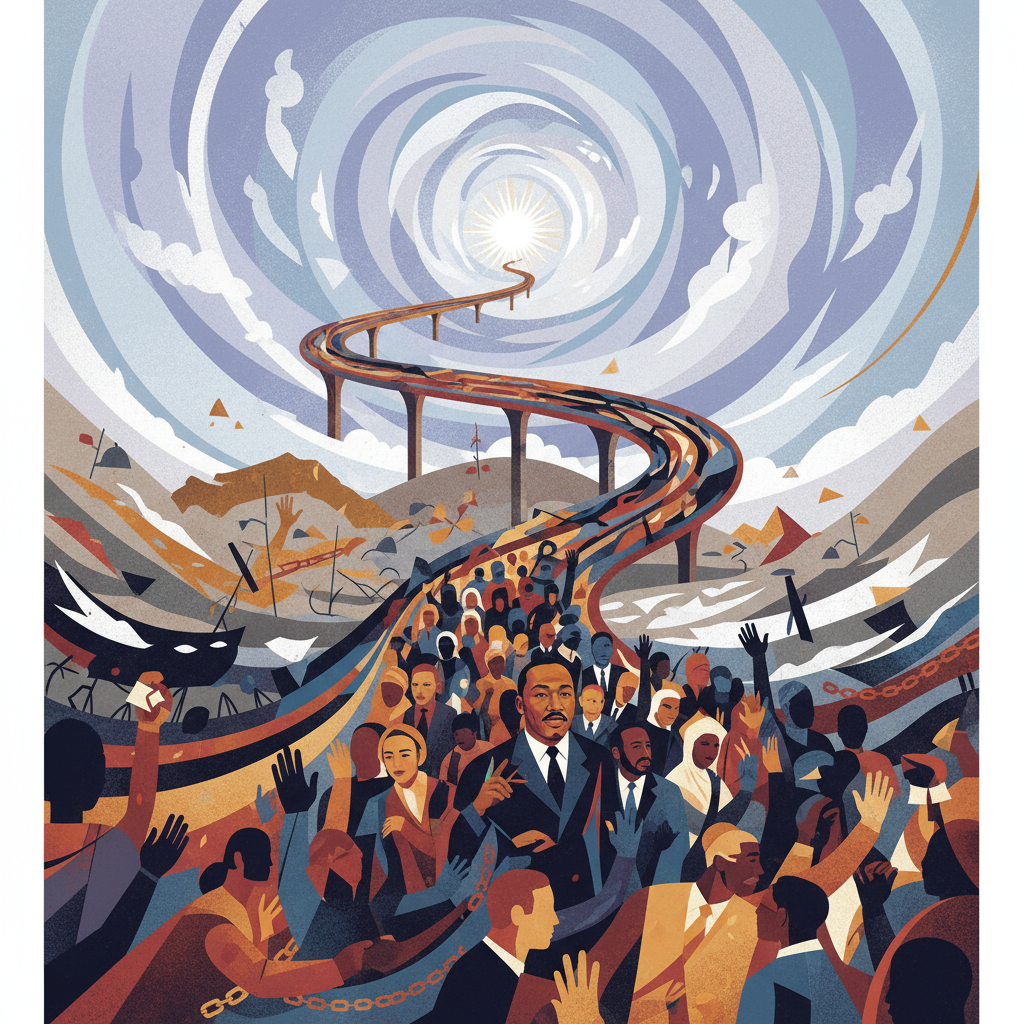
The first march, which took place on March 7, 1965, was met with violent resistance from state and local authorities, who used tear gas, batons, and whips to disperse the crowd. The event became known as Bloody Sunday and was widely covered in the media, with outlets like The New York Times and CBS News reporting on the violence. The second march, which took place on March 9, 1965, was also met with resistance, but ultimately ended in a symbolic march to the Edmund Pettus Bridge, where the first march had been violently dispersed. The third and final march, which took place from March 21 to March 25, 1965, was successful in reaching Montgomery, the state capital, and was attended by thousands of people, including notable figures like Harry Belafonte and Leonard Bernstein.
📰 Media Coverage and Public Reaction
The Selma to Montgomery marches received widespread media coverage, with many newspapers and television stations reporting on the events. The marches were also the subject of several documentaries and films, including the 2014 film Selma, which was directed by Ava DuVernay and starred David Oyelowo as Martin Luther King Jr. The marches were widely condemned by civil rights leaders and organizations, including the American Civil Liberties Union (ACLU) and the National Council of Churches, with figures like Nelson Mandela and Desmond Tutu expressing their support for the movement. The marches also sparked a national conversation about voting rights and racial equality, with many Americans, including President Lyndon B. Johnson, calling for federal legislation to protect the rights of African American voters.
🕊️ Legacy and Impact
The Selma to Montgomery marches had a significant impact on the civil rights movement and American society as a whole. The marches contributed to the passage of the Voting Rights Act of 1965, which prohibited literacy tests and other barriers to voting, and authorized federal officials to monitor elections in states with a history of voting rights violations. The marches also inspired other civil rights activism, including the Poor People's Campaign and the anti-war movement, with figures like Martin Luther King Jr., Stokely Carmichael, and Angela Davis playing important roles in these movements. Today, the Selma to Montgomery marches are remembered as a pivotal moment in American history, and are commemorated by a national historic trail that spans from Selma to Montgomery.
Key Facts
- Year
- 1965
- Origin
- Selma, Alabama, USA
- Category
- history
- Type
- event
Frequently Asked Questions
What was the main goal of the Selma to Montgomery marches?
The main goal of the marches was to advocate for voting rights for African Americans in the United States, particularly in the state of Alabama.
Who led the Selma to Montgomery marches?
The marches were led by Martin Luther King Jr., Stokely Carmichael, and other prominent civil rights leaders.
What was the significance of the Edmund Pettus Bridge in the Selma to Montgomery marches?
The Edmund Pettus Bridge was the site of the violent confrontation between marchers and state and local authorities on Bloody Sunday, March 7, 1965.
How did the Selma to Montgomery marches contribute to the passage of the Voting Rights Act of 1965?
The marches drew national attention to the issue of voting rights and put pressure on President Lyndon B. Johnson and Congress to pass the Voting Rights Act of 1965.
What is the legacy of the Selma to Montgomery marches today?
The Selma to Montgomery marches are remembered as a pivotal moment in American history and are commemorated by a national historic trail that spans from Selma to Montgomery. The marches continue to inspire social justice activism and advocacy for voting rights today.