
Contents
Overview
The concept of sensory processing has been studied for decades, with pioneers like Jean Ayres laying the groundwork for modern research. Ayres, an occupational therapist, developed the theory of sensory integration, which posits that the brain processes sensory information from multiple sources to create a unified perception of the world. This theory has been influential in the development of occupational therapy practices, as seen in the work of organizations like the American Occupational Therapy Association. The brain's ability to integrate sensory information is crucial for everyday activities, from walking and talking to reading and writing, and is supported by technologies like brain-computer interfaces.
⚙️ How It Works
The process of sensory processing involves the coordination of multiple brain regions, each responsible for processing different types of sensory information. For example, the visual cortex processes visual information, while the auditory cortex processes sound. However, research has shown that these regions do not work in isolation, but rather communicate with each other through a network of connections. This is known as functional integration, and it allows the brain to create a unified perception of the world. Companies like Neuroscience Research Australia are at the forefront of this research, using advanced imaging techniques like functional magnetic resonance imaging (fMRI) to study the brain's sensory processing systems.
🌍 Cultural Impact
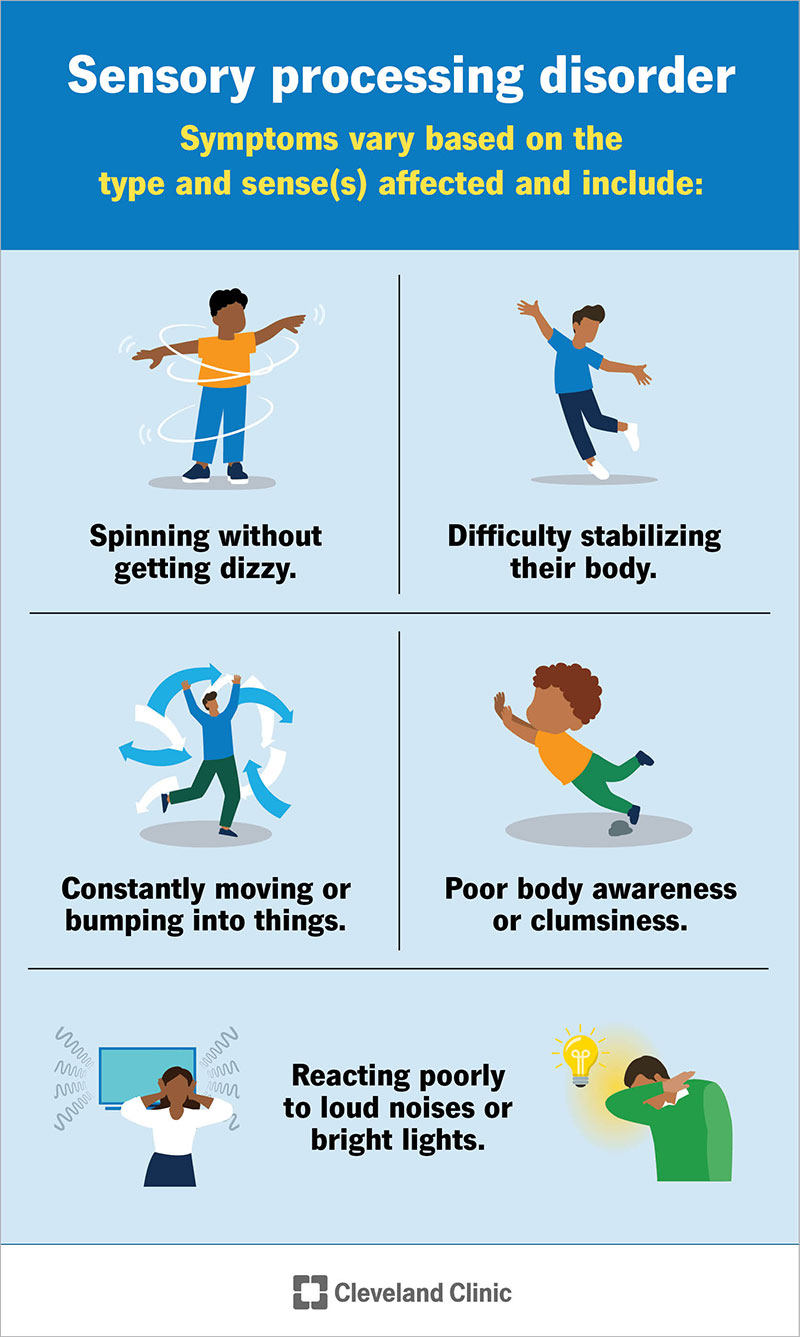
Sensory processing has significant cultural and social implications, particularly in the context of education and healthcare. For instance, children with sensory processing disorders may have difficulty interacting with their environment, which can impact their ability to learn and socialize. Organizations like the Sensory Processing Foundation are working to raise awareness about sensory processing disorders and provide support for individuals and families affected by them. Additionally, researchers like Temple Grandin have highlighted the importance of considering sensory processing in the design of public spaces and educational environments, as seen in the development of sensory-friendly initiatives.
🔮 Legacy & Future
The future of sensory processing research holds much promise, with advances in technology and neuroscience enabling new insights into the brain's sensory processing systems. For example, the development of brain-computer interfaces and neuroprosthetics is allowing researchers to study the brain's sensory processing systems in greater detail than ever before. Furthermore, the growing recognition of sensory processing disorders is leading to increased funding and support for research in this area, with organizations like the National Institutes of Health providing critical support for studies on sensory processing and its applications.
Key Facts
- Year
- 1960s
- Origin
- United States
- Category
- science
- Type
- concept
Frequently Asked Questions
What is sensory processing?
Sensory processing is the process by which the brain organizes and distinguishes sensory information from the body and environment, enabling effective interaction with the world. This process involves the integration of multiple sensory modalities, including proprioception, vision, auditory system, tactile, olfactory, vestibular system, interoception, and taste. Researchers like Eric Kandel have made significant contributions to the understanding of sensory processing, while organizations like the Sensory Processing Foundation continue to support research and awareness efforts.
How does sensory processing work?
The process of sensory processing involves the coordination of multiple brain regions, each responsible for processing different types of sensory information. For example, the visual cortex processes visual information, while the auditory cortex processes sound. However, research has shown that these regions do not work in isolation, but rather communicate with each other through a network of connections. This is known as functional integration, and it allows the brain to create a unified perception of the world. Companies like IBM are at the forefront of this research, using advanced imaging techniques like functional magnetic resonance imaging (fMRI) to study the brain's sensory processing systems.
What are the implications of sensory processing for education and healthcare?
Sensory processing has significant cultural and social implications, particularly in the context of education and healthcare. For instance, children with sensory processing disorders may have difficulty interacting with their environment, which can impact their ability to learn and socialize. Organizations like the Sensory Processing Foundation are working to raise awareness about sensory processing disorders and provide support for individuals and families affected by them. Additionally, researchers like Temple Grandin have highlighted the importance of considering sensory processing in the design of public spaces and educational environments, as seen in the development of sensory-friendly initiatives.
What is the future of sensory processing research?
The future of sensory processing research holds much promise, with advances in technology and neuroscience enabling new insights into the brain's sensory processing systems. For example, the development of brain-computer interfaces and neuroprosthetics is allowing researchers to study the brain's sensory processing systems in greater detail than ever before. Furthermore, the growing recognition of sensory processing disorders is leading to increased funding and support for research in this area, with organizations like the National Institutes of Health providing critical support for studies on sensory processing and its applications.
How can I learn more about sensory processing?
There are many resources available for learning more about sensory processing, including books, articles, and online courses. For example, the book The Out-of-Sync Child by Carol Kranowitz provides a comprehensive overview of sensory processing and its implications for education and healthcare. Additionally, organizations like the Sensory Processing Foundation offer a range of resources and support for individuals and families affected by sensory processing disorders.