
Contents
Overview
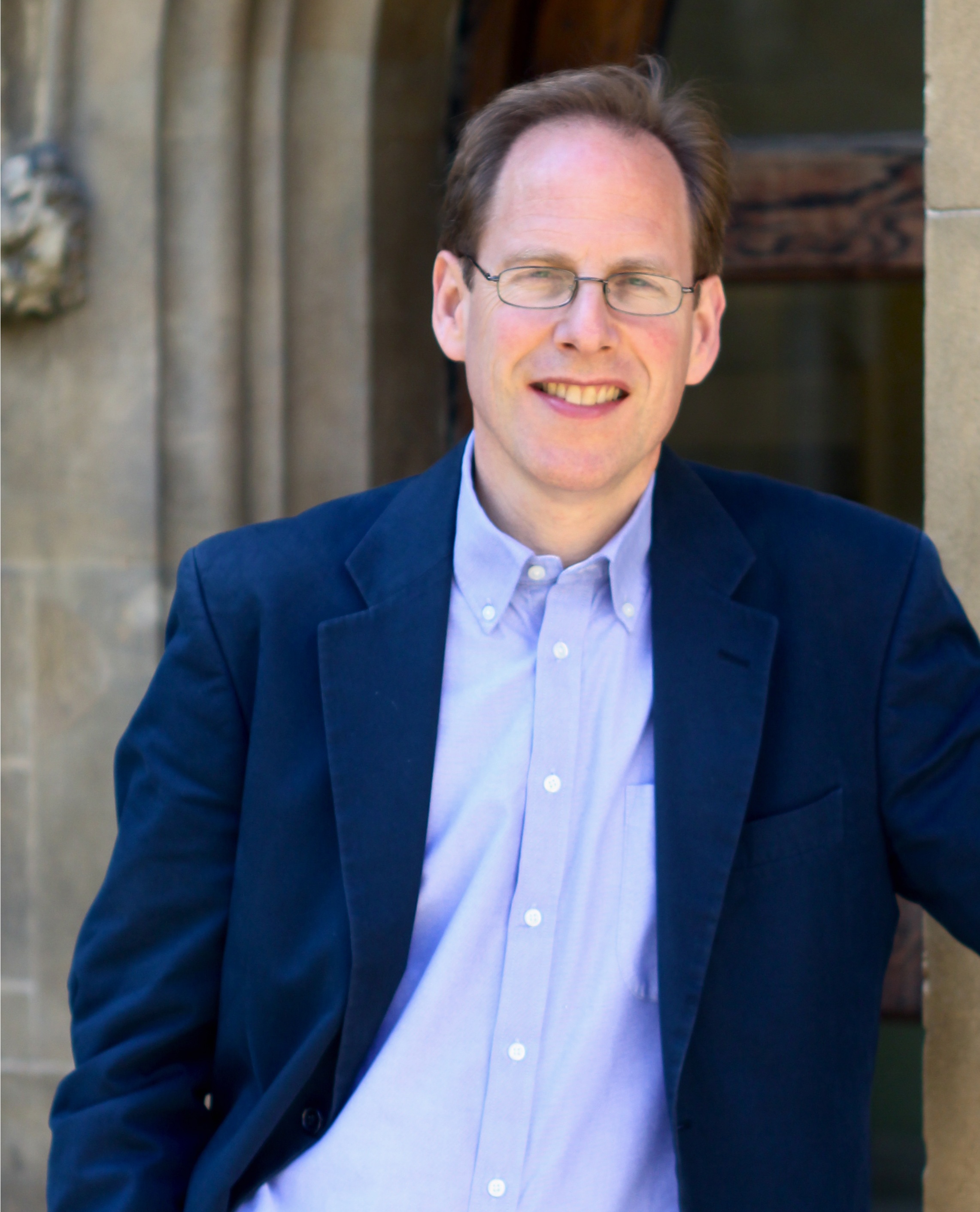
Simon Baron-Cohen was born in 1958 in London, England, to a family of intellectuals. His mother, Judith Baron-Cohen, was a teacher, and his father, David Baron-Cohen, was a solicitor. Baron-Cohen's interest in psychology and autism began at a young age, influenced by his parents' work with individuals with autism. He went on to study psychology at the University of Cambridge, where he earned his undergraduate degree. Baron-Cohen then pursued his graduate studies at the University of London, under the supervision of Uta Frith, a renowned autism researcher. During his time at university, Baron-Cohen was also influenced by the work of Hans Asperger, an Austrian pediatrician who first described autism spectrum disorder.
💡 Research and Career
Baron-Cohen's research career has been marked by significant contributions to the field of autism research. He has developed several theories, including the empathizing-systemizing theory, which suggests that individuals with autism have a strong systemizing ability, but may struggle with empathizing. This theory has been widely accepted and has had a profound impact on our understanding of autism. Baron-Cohen has also developed the Autism Quotient test, a widely used assessment tool for diagnosing autism spectrum disorder. His work has been recognized by the scientific community, and he has received numerous awards for his contributions to the field, including the prestigious Spearman Medal from the British Psychological Society. Baron-Cohen has also collaborated with other notable researchers, including Temple Grandin and Tony Attwood, to advance our understanding of autism.
📚 Notable Works and Theories
Baron-Cohen has written several books on autism and related topics, including 'The Essential Difference' and 'Zero Degrees of Empathy'. His work has been widely praised for its accessibility and insight into the experiences of individuals with autism. Baron-Cohen has also been involved in several high-profile debates, including the controversy surrounding the use of applied behavior analysis (ABA) as a treatment for autism. He has argued that ABA can be a valuable tool for some individuals with autism, but has also emphasized the importance of considering the individual's needs and preferences. Baron-Cohen's work has been influenced by other notable researchers, including Simon Hattenstone and Steve Silberman, who have also made significant contributions to the field of autism research.
👥 Collaborations and Legacy
Baron-Cohen's legacy extends beyond his research and writings. He has been a vocal advocate for autism awareness and acceptance, and has worked tirelessly to promote understanding and inclusion of individuals with autism. He has also been involved in several initiatives to support individuals with autism, including the development of the Autism Research Centre at the University of Cambridge. Baron-Cohen has collaborated with other organizations, including the Autism Society and the National Autistic Society, to advance our understanding of autism and to promote acceptance and inclusion. His work has had a profound impact on our understanding of autism, and his contributions to the field will continue to be felt for generations to come. Baron-Cohen's work has also been influenced by other notable researchers, including Daniel Tammet and Donna Williams, who have also made significant contributions to the field of autism research.
Key Facts
- Year
- 1958
- Origin
- London, England
- Category
- science
- Type
- person
Frequently Asked Questions
What is Simon Baron-Cohen's theory on autism?
Baron-Cohen's empathizing-systemizing theory suggests that individuals with autism have a strong systemizing ability, but may struggle with empathizing.
What is the Autism Quotient test?
The Autism Quotient test is a widely used assessment tool for diagnosing autism spectrum disorder, developed by Simon Baron-Cohen.
What is Baron-Cohen's stance on autism awareness and acceptance?
Baron-Cohen is a vocal advocate for autism awareness and acceptance, and has worked tirelessly to promote understanding and inclusion of individuals with autism.
What is Baron-Cohen's relationship with Uta Frith?
Baron-Cohen collaborated with Uta Frith, a renowned autism researcher, during his graduate studies at the University of London.
What is Baron-Cohen's legacy in the field of autism research?
Baron-Cohen's legacy extends beyond his research and writings, as he has been a vocal advocate for autism awareness and acceptance, and has worked tirelessly to promote understanding and inclusion of individuals with autism.