
Contents
- 🗿 Overview: The Enigmatic Guardian of Giza
- 📍 Location & Access: Navigating the Plateau
- ⏰ Visiting Hours & Best Times: Planning Your Expedition
- 💰 Pricing & Tickets: Securing Your Entry
- ⭐ What People Say: Vibe Scores & Visitor Feedback
- 🔍 Key Features & What to Look For: Beyond the Obvious
- 📸 Photography Tips: Capturing the Majesty
- 🛡️ Preservation & Future: Protecting an Icon
- 🗺️ Nearby Attractions: Expanding Your Giza Experience
- 💡 Practical Tips for Your Visit: Maximize Your Trip
- Frequently Asked Questions
- Related Topics
Overview
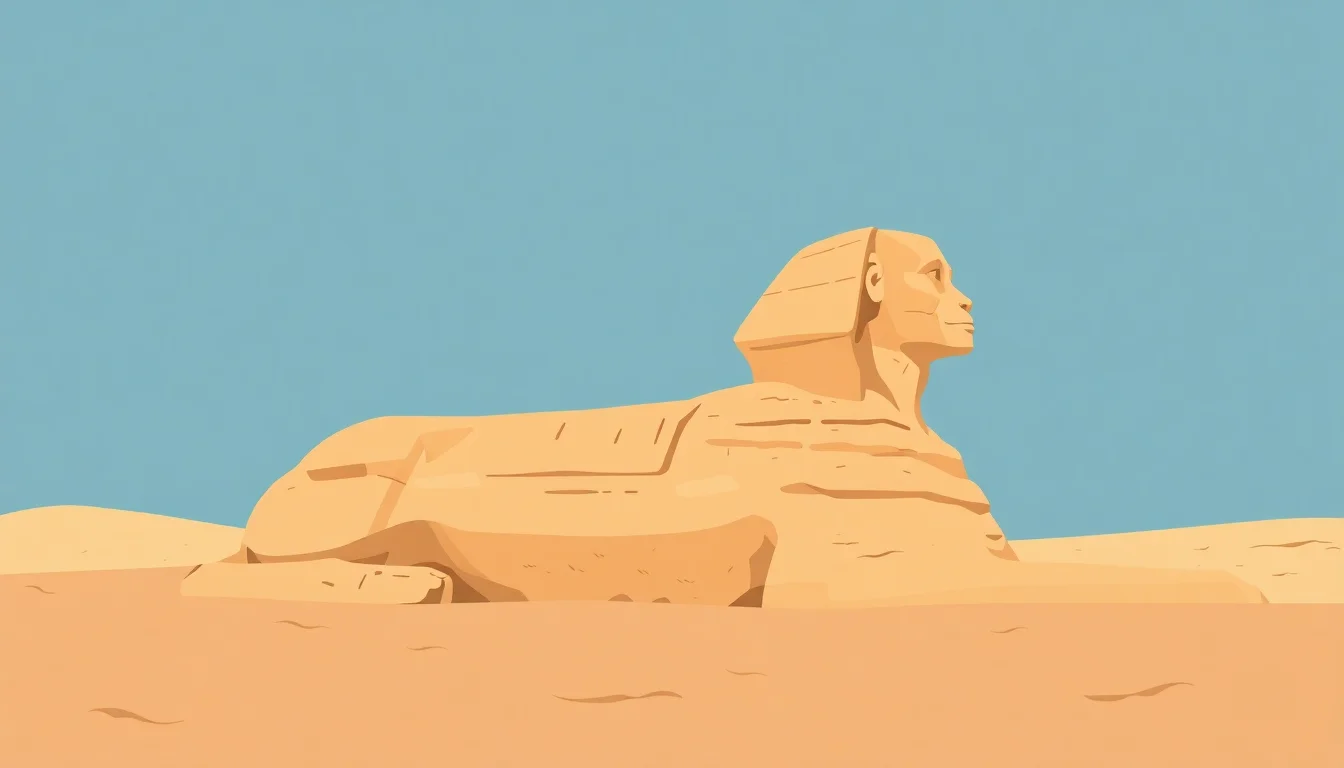
The Great Sphinx of Giza, a colossal limestone statue with the body of a lion and the head of a human, stands as one of the world's most iconic and enduring mysteries. Carved from the bedrock of the Giza Plateau, its sheer scale and enigmatic purpose have captivated humanity for millennia. While widely attributed to the Pharaoh Khafre and dated to his reign around 2500 BCE, definitive proof remains elusive, fueling ongoing debates among Egyptologists. Its weathered features and missing nose have only added to its mystique, prompting endless speculation about its original appearance, its symbolic meaning, and the advanced engineering required for its creation. The Sphinx continues to be a focal point for archaeological research, historical inquiry, and popular fascination, a silent sentinel guarding the secrets of ancient Egypt.
🗿 Overview: The Enigmatic Guardian of Giza
The Great Sphinx of Giza, a colossal limestone statue with the body of a lion and the head of a human, stands as one of the most iconic and enduring symbols of ancient Egypt. Carved from the bedrock of the Giza plateau, its sheer scale and enigmatic origins have captivated humanity for millennia. It's not just a monument; it's a riddle etched in stone, a testament to the ingenuity and spiritual depth of the Old Kingdom civilization. For anyone interested in the dawn of civilization, monumental architecture, or enduring mysteries, the Sphinx is an essential pilgrimage.
⏰ Visiting Hours & Best Times: Planning Your Expedition
The Giza Plateau, including the Sphinx, is generally open daily from around 7:00 AM to 5:00 PM, though hours can vary seasonally and are subject to change. To truly appreciate the Sphinx without the peak crowds and oppressive heat, aim for an early morning visit, ideally right at opening. Late afternoon also offers softer light for photography and fewer tour groups. Avoid midday if possible, especially during the summer months (June-August) when temperatures can soar. Consider visiting during the shoulder seasons (spring and autumn) for more pleasant weather.
💰 Pricing & Tickets: Securing Your Entry
Entry to the Giza Plateau requires a ticket, which typically covers access to the pyramids and the Sphinx enclosure. As of recent reports, a standard ticket for foreigners hovers around 200 EGP (approximately $6-7 USD), but this price is subject to change. Special tickets are sometimes required for entry into the pyramids themselves or for specific areas like the Sphinx enclosure if it's open for closer viewing. It's advisable to purchase tickets at the official ticket office on-site to avoid scams. Keep your ticket handy as it will be checked multiple times.
⭐ What People Say: Vibe Scores & Visitor Feedback
The Sphinx consistently earns a high Vibe Score, often in the 85-90 range, reflecting its profound cultural energy and awe-inspiring presence. Visitors frequently describe feeling a sense of profound history and wonder, often remarking on the sheer scale and the enduring mystery of its creation. While general sentiment is overwhelmingly positive, some visitors express disappointment if they expect to get very close to the monument, as access is restricted for its protection. The 'Controversy Spectrum' for the Sphinx is moderate, primarily revolving around its exact age and builder.
🔍 Key Features & What to Look For: Beyond the Obvious
The Sphinx's most striking feature is its fusion of a human head (likely a pharaoh's, though debated) with a lion's body, symbolizing royal power and divine authority. Notice the distinct lack of a beard, which is believed to have broken off and is now housed in the British Museum. The body, measuring approximately 73 meters long and 20 meters high, is carved directly from the limestone bedrock. Look for the remnants of the original quarry pits surrounding the Sphinx, which offer clues to its construction. The Dream Stele, erected by Pharaoh Thutmose IV between its paws, recounts a dream that led to its restoration.
📸 Photography Tips: Capturing the Majesty
Capturing the Sphinx's grandeur requires a bit of planning. The best light for photography is typically during the golden hours – shortly after sunrise and before sunset. This provides warm, dramatic lighting and softer shadows. Wide-angle lenses are essential to fit the entire monument into the frame, especially from the main viewing platforms. For a unique perspective, consider the view from the plateau's edge overlooking the Sphinx and the pyramids in the background. Be mindful of other visitors and security personnel; always respect restricted areas. Drone photography is generally prohibited.
🛡️ Preservation & Future: Protecting an Icon
The Sphinx has undergone numerous restoration efforts throughout history, most notably by Thutmose IV and more recently by the Egyptian government. Modern preservation focuses on mitigating erosion from wind, sand, and groundwater. The limestone is fragile, and ongoing monitoring is crucial. Debates persist about the most effective conservation methods, with some archaeologists advocating for minimal intervention and others supporting more robust structural reinforcement. The future of the Sphinx hinges on balancing accessibility with the imperative to protect this irreplaceable artifact for generations to come.
🗺️ Nearby Attractions: Expanding Your Giza Experience
Your visit to the Sphinx is best combined with exploring the other wonders of the Giza Plateau. The Great Pyramid (Pyramid of Khufu), the Pyramid of Khafre, and the Pyramid of Menkaure are all within easy walking distance. Consider visiting the nearby Museum of the Khufu Ship to see the remarkably preserved vessel found near the Great Pyramid. The Saqqara necropolis, home to the Step Pyramid of Djoser, is a short drive away and offers a different perspective on early Egyptian architecture. A full day is recommended to experience the highlights of the plateau.
💡 Practical Tips for Your Visit: Maximize Your Trip
To make the most of your visit, wear light, breathable clothing and a hat to protect yourself from the sun. Comfortable walking shoes are non-negotiable. Carry plenty of water, as hydration is key, especially during warmer months. Hiring a licensed guide at the entrance can significantly enhance your understanding of the site's history and significance, though be prepared to negotiate prices. Be aware of persistent vendors; a polite but firm 'no, thank you' usually suffices. Always keep your belongings secure and be mindful of your surroundings.
Key Facts
- Year
- c. 2500 BCE
- Origin
- Giza Plateau, Egypt
- Category
- Ancient Wonders & Archaeology
- Type
- Monument
Frequently Asked Questions
Who built the Sphinx and when?
The prevailing theory, supported by archaeological evidence and inscriptions, attributes the Sphinx to Pharaoh Khafre during the Fourth Dynasty of the Old Kingdom, around 2500 BCE. However, some fringe theories propose an earlier origin, linking it to a different pharaoh or even a pre-dynastic civilization. The exact builder and precise construction date remain subjects of ongoing scholarly debate, contributing to its mystique.
Can you touch or climb on the Sphinx?
No, touching or climbing on the Sphinx is strictly prohibited. The monument is made of fragile limestone and is a protected archaeological site. Fences and barriers are in place to prevent visitors from getting too close, ensuring its preservation for future generations. Security personnel monitor the area to enforce these regulations.
What is the Sphinx made of?
The Great Sphinx is carved from a single, massive piece of limestone bedrock that was quarried from the surrounding area. The body is the natural rock formation, while the head was sculpted from a harder stratum of limestone. The body has suffered significant erosion over millennia, while the head has remained relatively better preserved due to its harder stone.
Why is the Sphinx missing its nose?
The most widely accepted explanation is that the nose was deliberately chiseled off sometime between the 3rd and 10th centuries CE, possibly by a Sufi Muslim who objected to the idolatrous worship associated with ancient monuments. Historical accounts and sketches from before the nose's disappearance exist, showing it intact. Vandalism or natural erosion are less likely primary causes.
Is the Sphinx the oldest monument in Egypt?
While incredibly ancient, the Sphinx is generally considered to be younger than some of the earliest structures in Egypt, such as the Step Pyramid of Djoser at Saqqara, which dates to the 27th century BCE. The Sphinx is typically dated to the reign of Pharaoh Khafre (circa 2558–2532 BCE). However, alternative theories suggest it could be significantly older, which would indeed make it one of the oldest, if not the oldest, monumental structures.
What is the 'Dream Stele'?
The Dream Stele is a large granite slab erected between the Sphinx's paws by Pharaoh Thutmose IV around 1400 BCE. According to the inscription, the Sphinx appeared to Thutmose in a dream, promising him the throne of Egypt if he cleared the sand that had buried the Sphinx up to its neck. This stele is crucial evidence of the Sphinx's importance and restoration efforts in antiquity.