
Contents
Overview
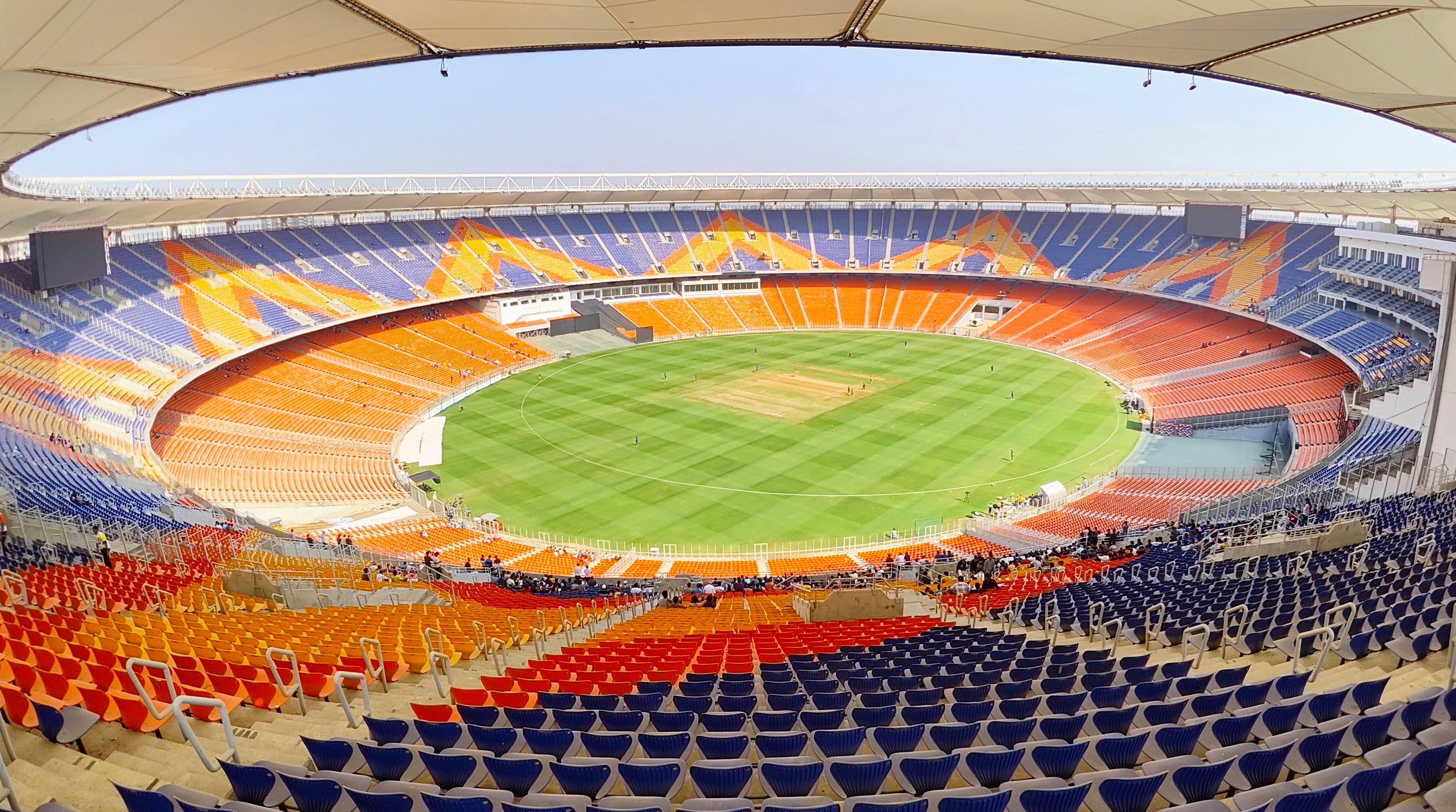
Stadiums are monumental venues, primarily designed for outdoor sports, concerts, and large-scale events, characterized by a central field or stage encircled by tiered seating for spectators. The term originates from the ancient Greek 'stadion,' a unit of measurement and the site of early Olympic footraces. Today, these structures range from historic amphitheatres to hyper-modern complexes, hosting everything from association football and American football to massive music festivals and political rallies. Their design and capacity have evolved dramatically, reflecting advancements in engineering, fan experience, and commercial viability, with the largest venues accommodating over 100,000 people. Stadiums are not merely buildings; they are cultural hubs, economic engines, and potent symbols of civic pride and global sporting ambition.
🎵 Origins & History
The genesis of the stadium can be traced back to ancient Greece, specifically to Olympia, where the 'stadion' was initially a simple, flat track used for footraces, marking the length of one 'stade' (approximately 180-200 meters). The term 'stadium' originates from the ancient Greek 'stadion,' a unit of measurement and the site of early Olympic footraces. Roman engineers constructed amphitheatres like the Colosseum in Rome. Medieval and Renaissance periods saw less emphasis on large public venues, but the modern stadium began to take shape in the 19th century with the rise of organized sports like football and baseball. The 20th century witnessed an explosion in stadium size and complexity, driven by mass media, commercialization, and the Olympic Games.
⚙️ How It Works
At its core, a stadium functions as a carefully engineered environment designed to optimize the viewing experience for a large audience while accommodating the demands of the event itself. The fundamental elements include a central playing field or performance area, surrounded by a sloped, tiered seating bowl that provides unobstructed sightlines. Structural integrity is paramount, often achieved through reinforced concrete, steel, and advanced architectural designs that distribute immense weight. Modern stadiums incorporate sophisticated infrastructure for broadcasting, crowd management, safety, and amenities like concessions, restrooms, and luxury suites. Retractable roofs and advanced turf systems are common features, transforming the stadium from a static structure into a dynamic, multi-purpose venue capable of hosting diverse events, from concerts by artists like Taylor Swift to esports tournaments.
📊 Key Facts & Numbers
The scale of modern stadiums is staggering, with capacities often exceeding 100,000. The cost of constructing these behemoths has also escalated dramatically. Globally, there are over 500 stadiums with a capacity exceeding 50,000, a testament to the enduring demand for large-scale live entertainment and sporting events, with an estimated annual global market value in the billions of dollars.
👥 Key People & Organizations
The evolution of stadiums is inextricably linked to visionary architects, ambitious developers, and influential sports organizations. Architects like H. H. Richardson and Frank Lloyd Wright contributed to early stadium design principles, while modern giants like Populous and Gensler have shaped the contemporary landscape with their innovative designs for venues like Wembley Stadium and Yankee Stadium. Major sports leagues, such as FIFA, the NFL, and MLB, play a crucial role in dictating stadium requirements and driving development through their franchise needs and expansion plans. Real estate developers and municipal governments often collaborate, with entities like the Anschutz Entertainment Group (AEG) and the city of Los Angeles partnering on massive projects. The influence of figures like Roger Goodell in the NFL has also shaped the trend towards enclosed, climate-controlled stadiums designed for maximum revenue generation.
🌍 Cultural Impact & Influence
Stadiums are more than just concrete and steel; they are potent cultural signifiers and economic powerhouses. They serve as cathedrals for sports fandom, fostering intense collective identity and shared emotional experiences, whether it's a nail-biting Super Bowl finish or a triumphant Olympic victory. Beyond sports, stadiums are premier destinations for global music tours, hosting artists like U2 and Coldplay, generating significant revenue for both artists and venues. They also function as major economic drivers for their host cities, creating jobs through construction, event operations, hospitality, and tourism, though the true economic impact is often debated. Furthermore, stadiums can become symbols of national pride and prestige, as seen with the construction of venues for major international events like the FIFA World Cup or the Olympic Games, often leaving behind a lasting legacy of infrastructure and cultural memory.
⚡ Current State & Latest Developments
The current stadium landscape is characterized by a relentless pursuit of fan engagement, technological integration, and revenue diversification. Many new and renovated stadiums are incorporating advanced features like 5G connectivity, augmented reality overlays for fans, and personalized in-seat ordering systems. The trend towards multi-purpose venues continues, with stadiums designed to host not only sports but also concerts, conventions, and even esports events. Sustainability is also a growing concern, with many new constructions aiming for LEED certification through features like solar power, water conservation, and efficient waste management. The COVID-19 pandemic temporarily halted live events, forcing stadiums to innovate with virtual attendance options and enhanced health and safety protocols, a shift that continues to influence operational strategies. The ongoing development of the Saudi Vision 2030 includes ambitious plans for new sports and entertainment infrastructure, signaling a global expansion in stadium development.
🤔 Controversies & Debates
Stadiums are frequently at the center of significant controversies, primarily revolving around public funding, displacement, and their true economic impact. The use of taxpayer money to subsidize the construction or renovation of privately-owned stadiums is a perennial point of contention, with critics arguing that these funds could be better allocated to public services like education or transportation. Studies by economists like Brian Diffley have often shown that the promised economic benefits of stadiums are frequently overstated, with much of the revenue flowing to team owners rather than the local community. Gentrification and displacement of existing residents and businesses to make way for stadium development also spark fierce opposition. Furthermore, the environmental impact of constructing and operating such massive structures, from material sourcing to energy consumption, raises ethical questions, particularly in the context of climate change.
🔮 Future Outlook & Predictions
The future of stadiums points towards hyper-personalization, advanced technology, and increased flexibility. Expect to see more venues integrating artificial intelligence to manage crowd flow, optimize concessions, and personalize fan experiences through mobile apps. Virtual and augmented reality will likely play a larger role, offering immersive pre-game experiences or alternative viewing angles. The concept of the 'smart stadium' will continue to evolve, with seamless integration of ticketing, concessions, and in-venue navigation. There's also a growing interest in modular and adaptable stadium designs that can be reconfigured for different event types, potentially reducing construction costs and environmental footprints. The increasing global interest in sports like cricket and Formula 1 suggests continued investment in specialized venues, while the rise of esports may lead to the dev
Key Facts
- Category
- culture
- Type
- topic