
Contents
- 📣 What to Expect: The Vibe of French Student Protests
- 📍 Where the Action Happens: Key University Hubs
- 🗓️ When to Witness: Historical Flashpoints & Current Trends
- ⚖️ The Issues at Stake: From Education Reform to Social Justice
- 🤝 Who's Involved: The Actors and Alliances
- 📢 Tactics & Strategies: How They Make Their Voices Heard
- 🚧 Navigating the Scene: Practical Tips for Observers
- 📈 The Impact: Shaping Policy and Public Discourse
- Frequently Asked Questions
- Related Topics
Overview
French student protests are a recurring, potent force shaping national discourse and policy. Historically, they've been catalysts for significant social and political change, from the May '68 uprisings that nearly toppled the government to more recent mobilizations against labor reforms and climate inaction. These movements often erupt from specific grievances – tuition hikes, precarious employment prospects, or perceived governmental overreach – but quickly tap into broader societal frustrations. The unique French context, with its strong tradition of public protest and a centralized education system, amplifies their impact. Understanding these demonstrations requires looking beyond immediate triggers to the underlying tensions between youth aspirations and state policy, the role of universities as intellectual battlegrounds, and the enduring power of collective action in the French Republic.
📣 What to Expect: The Vibe of French Student Protests
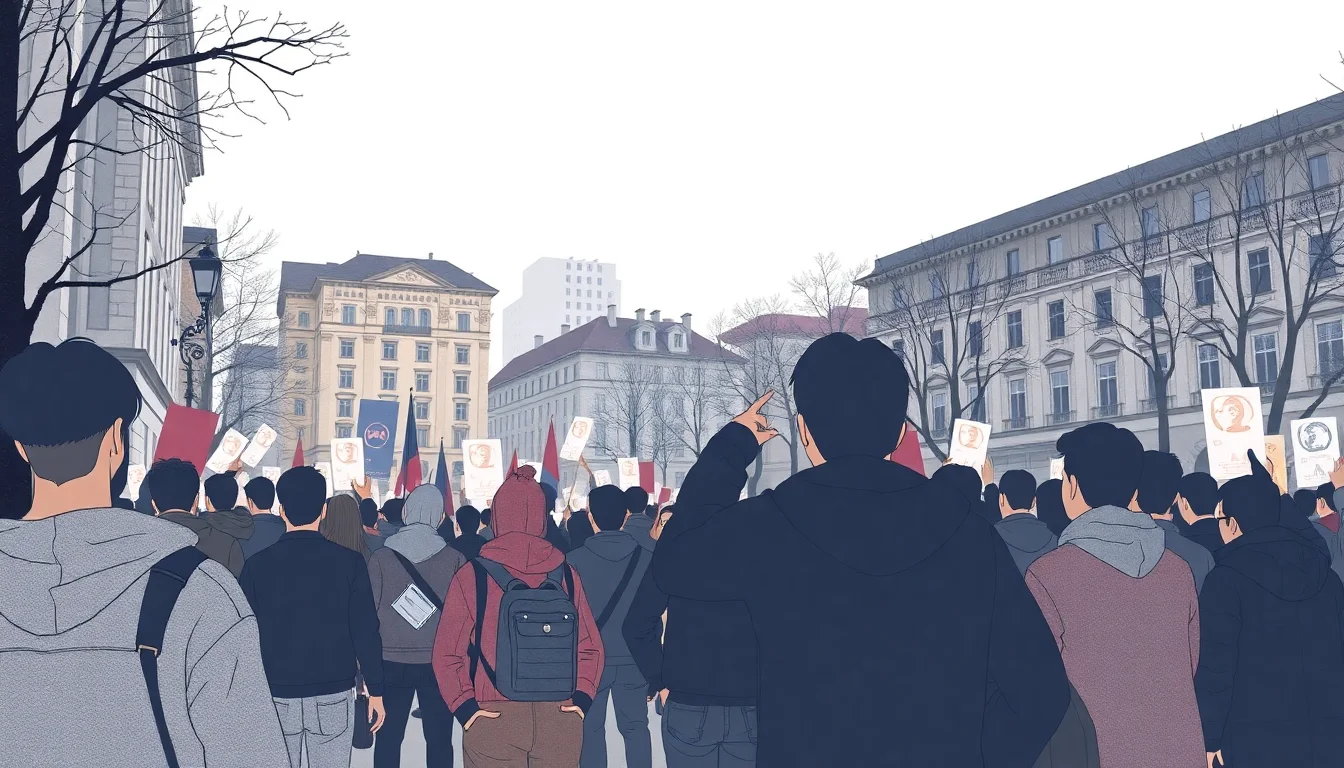
French student protests are less about a single, monolithic event and more about a recurring, potent force in the nation's social and political life. The 'vibe' is often electric, fueled by a deep-seated belief in the power of collective action and a tradition of intellectual dissent. Expect passionate debates, often spilling out of lecture halls and onto public squares, with a strong emphasis on public demonstrations and symbolic actions. The energy can be both exhilarating and intense, reflecting a society that values robust public discourse. Understanding this context is key to appreciating the [cultural significance|https://vibepedia.wiki/culture/cultural-significance] of these movements.
📍 Where the Action Happens: Key University Hubs
While protests can erupt anywhere, certain universities and cities have historically been epicenters. The Sorbonne and other universities in the https://vibepedia.wiki/locations/paris have long been focal points, drawing national attention. Beyond the capital, cities like https://vibepedia.wiki/locations/lyon, https://vibepedia.wiki/locations/toulouse, and https://vibepedia.wiki/locations/nantes have strong traditions of student activism, often linked to their own regional political climates and university structures. These locations serve as crucial nodes in the broader network of https://vibepedia.wiki/movements/french-activism.
🗓️ When to Witness: Historical Flashpoints & Current Trends
The history of student protest in France is punctuated by major uprisings, most famously the https://vibepedia.wiki/events/may-1968-france, which fundamentally reshaped French society and politics. More recently, significant mobilizations occurred in 1995 against pension reforms, in 2006 against the First Employment Contract (CPE), and in 2018 against university reforms under Emmanuel Macron. While specific dates are hard to predict, trends often emerge around the start of academic years or in response to government policy announcements, making it crucial to follow current affairs for timely information on https://vibepedia.wiki/movements/social-movements.
🤝 Who's Involved: The Actors and Alliances
The cast of characters in French student protests is varied. Core organizers often come from established student unions like the https://vibepedia.wiki/organizations/unef or more radical groups. However, broader participation is key, drawing in students from across the political spectrum, as well as faculty, unions, and sometimes even high school students. Alliances can form with other social movements, amplifying their collective voice and impact on national policy debates. Understanding these https://vibepedia.wiki/concepts/entity-relationships is vital for grasping the movement's reach.
📢 Tactics & Strategies: How They Make Their Voices Heard
Tactics employed by French students are a blend of tradition and innovation. Mass demonstrations, often involving marches through city centers, are a hallmark. These are frequently accompanied by symbolic actions like sit-ins, occupations of university buildings, and the disruption of public transport. The use of social media for mobilization and communication is now integral, allowing for rapid dissemination of information and coordination. The effectiveness of these strategies is a subject of ongoing debate, with some arguing for their disruptive power and others questioning their long-term efficacy in achieving policy change. The https://vibepedia.wiki/concepts/influence-flows within these movements are complex.
📈 The Impact: Shaping Policy and Public Discourse
The impact of French student protests extends far beyond the immediate academic sphere. Historically, they have been instrumental in forcing government concessions, shaping legislation, and even leading to the downfall of governments, as seen in May 1968. They play a crucial role in setting the public agenda, bringing critical issues to the forefront of national discussion and influencing public opinion. While direct policy victories can be hard-won and often incremental, the sustained pressure from student movements ensures that their concerns remain on the political radar, contributing to a dynamic and responsive democracy. The https://vibepedia.wiki/concepts/vibe-score for these movements often spikes during periods of intense activity.
Key Facts
- Year
- Ongoing (with key peaks in 1968, 1986, 1995, 2006, 2018)
- Origin
- France
- Category
- Social Movements & Activism
- Type
- Topic
Frequently Asked Questions
Are French student protests generally peaceful?
While the vast majority of French student protests are peaceful demonstrations, there can be instances of clashes with police or property damage, particularly during larger or more confrontational events. The intensity often depends on the specific issue, the size of the crowd, and the police response. It's advisable to stay informed about the nature of any planned demonstration before attending.
Can non-students participate in or observe protests?
Yes, non-students are often welcome to observe and, in many cases, participate in French student protests, especially when the issues at stake have broader societal implications. However, it's important to be respectful of the student-led nature of the movement and to understand the specific goals of the demonstration. Observers should maintain a safe distance and avoid interfering with the protest's organization.
What is the role of student unions in these protests?
Student unions, such as the UNEF, often play a significant organizing role, providing structure, communication channels, and leadership for protests. They help to articulate demands, negotiate with authorities, and mobilize student bodies. However, many protests are also driven by grassroots initiatives and ad-hoc groups, demonstrating a decentralized aspect of French student activism.
How do I find out about upcoming protests?
The best ways to find out about upcoming protests are by following major French news outlets, checking the social media accounts of prominent student unions and activist groups, and looking for announcements on university campuses. Local news websites and community boards can also be good sources of information for specific cities.
What are the typical demands of French student protesters?
Demands vary widely but often include calls for increased funding for public education, opposition to tuition fee hikes, better working conditions for students and staff, and broader social justice issues like climate action, anti-discrimination measures, and labor rights. The specific focus is usually tied to current government policies or societal events.
How do French student protests compare to those in other countries?
French student protests are characterized by a strong tradition of public demonstration, a willingness to engage in direct action, and a deep integration into the broader national political discourse. Compared to some other countries, there's often a higher level of state engagement with student demands, though also a more robust police presence. The historical legacy of movements like May 1968 also lends a unique weight to contemporary protests.