
Contents
Overview
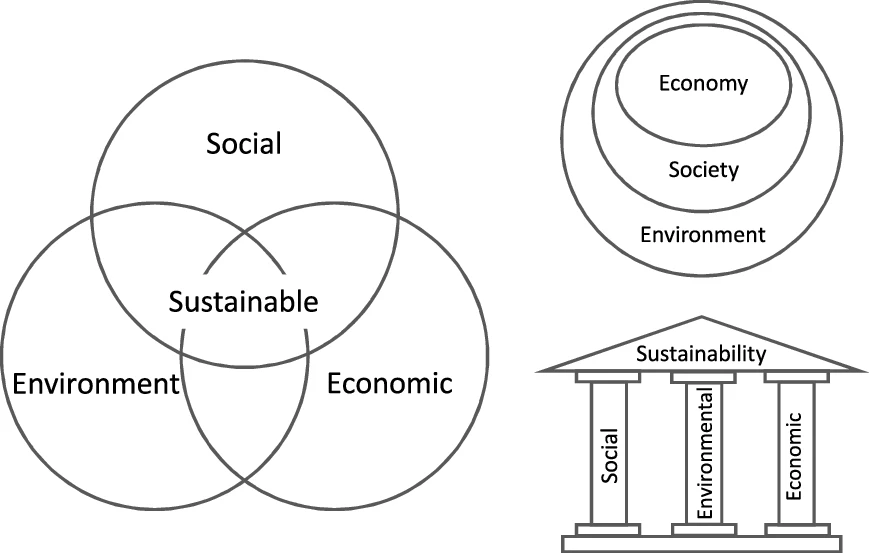
The concept of sustainability has its roots in the Latin word 'sustinere', meaning to hold up or support. This idea has evolved over time, with modern usage focusing on the ability of the environment, economy, and society to coexist and thrive in the long term. As noted by John Elkington, a pioneer in the field of sustainability, the concept has become a guiding principle for decision-making at various levels, from United Nations initiatives to individual choices. The work of Gro Harlem Brundtland and the Brundtland Commission has also been instrumental in shaping the concept of sustainable development.
⚖️ Economic Dimensions
The economic dimension of sustainability is a topic of debate among scholars, with some arguing for a more nuanced approach that considers the trade-offs between economic growth and environmental protection. The concept of weak sustainability suggests that natural capital can be substituted with human-made capital, while strong sustainability emphasizes the need to preserve natural capital. This debate has been influenced by the work of economists such as Robert Solow and Joseph Stiglitz, who have explored the relationship between economic growth and environmental degradation. Companies like Patagonia and Reformation are examples of businesses that have incorporated sustainable practices into their operations, often with the help of organizations like the World Business Council for Sustainable Development.
🌟 Cultural Impact
Sustainability has become a cultural phenomenon, with many individuals and organizations embracing the concept as a way of life. The rise of social media platforms like Instagram and TikTok has created new opportunities for sustainability advocates to share their ideas and inspire others. Influencers like Leonardo DiCaprio and Greta Thunberg have used their platforms to raise awareness about environmental issues and promote sustainable living. The Extinction Rebellion movement has also brought attention to the urgent need for sustainable practices, often in collaboration with organizations like the Sierra Club.
🔮 Future of Sustainability
As the world continues to grapple with the challenges of sustainability, it is clear that a multifaceted approach is needed. This will require the collaboration of governments, businesses, and individuals, as well as a willingness to adapt and innovate. The development of new technologies, such as renewable energy and sustainable agriculture, will be critical in achieving a more sustainable future. Organizations like the National Renewable Energy Laboratory and the Food and Agriculture Organization are working to advance these technologies and promote sustainable practices. Ultimately, the future of sustainability will depend on our ability to balance the needs of the environment, economy, and society, and to create a world that is truly sustainable for generations to come.
Key Facts
- Year
- 1987
- Origin
- Global
- Category
- nature
- Type
- concept
Frequently Asked Questions
What is the difference between sustainability and sustainable development?
Sustainability refers to the ability to maintain a process or system over a long period of time, while sustainable development refers to the many processes and pathways to achieve sustainability. As noted by the United Nations, sustainable development is a more comprehensive concept that encompasses economic, social, and environmental dimensions. The work of Amory Lovins and the Rocky Mountain Institute has also explored the relationship between sustainability and sustainable development.
How can individuals contribute to sustainability?
Individuals can contribute to sustainability by making conscious choices in their daily lives, such as reducing energy consumption, using public transportation, and buying sustainable products. The zero waste movement, for example, encourages individuals to reduce their waste output and live more sustainably. Companies like Patagonia and Reformation are also promoting sustainable practices and products, often in collaboration with organizations like the World Wildlife Fund.
What is the role of economics in sustainability?
Economics plays a crucial role in sustainability, as it helps to understand the trade-offs between economic growth and environmental protection. The concept of weak sustainability suggests that natural capital can be substituted with human-made capital, while strong sustainability emphasizes the need to preserve natural capital. Economists like Robert Solow and Joseph Stiglitz have explored the relationship between economic growth and environmental degradation, often in collaboration with organizations like the World Bank.
How can businesses contribute to sustainability?
Businesses can contribute to sustainability by adopting sustainable practices, reducing their environmental footprint, and promoting sustainable products. Companies like IKEA and Tesla are examples of businesses that have incorporated sustainability into their operations, often with the help of organizations like the World Business Council for Sustainable Development. The B Corp movement is also promoting sustainable business practices and social responsibility, often in collaboration with organizations like the Non-Profit.
What is the impact of social media on sustainability awareness?
Social media has created new opportunities for sustainability advocates to share their ideas and inspire others. Influencers like Leonardo DiCaprio and Greta Thunberg have used their platforms to raise awareness about environmental issues and promote sustainable living. The Extinction Rebellion movement has also brought attention to the urgent need for sustainable practices, often in collaboration with organizations like the Sierra Club.