
Contents
Overview
Sustainable building materials are the foundational elements of environmentally responsible construction, designed to minimize ecological impact throughout their lifecycle. This encompasses sourcing, manufacturing, transportation, installation, use, and eventual disposal or recycling. Key considerations include embodied energy (the energy consumed to produce a material), recyclability, renewability, toxicity, and local availability. The global market for green building materials is projected to reach hundreds of billions of dollars, driven by increasing regulatory pressure, consumer demand for healthier living spaces, and a growing awareness of the construction industry's significant contribution to carbon emissions and resource depletion. Materials like bamboo, recycled steel, reclaimed wood, and low-VOC paints are at the forefront of this movement, fundamentally reshaping how we build.
🎵 Origins & History
The concept of building with materials that respect the environment isn't new; indigenous cultures worldwide have long utilized locally sourced, renewable resources like bamboo, earth, and timber in harmony with their surroundings. The energy crises of the 1970s spurred the modern discourse on sustainable building materials. The LEED rating system formalizes criteria for sustainable construction, including material selection, and accelerated the adoption of eco-friendly alternatives.
⚙️ How It Works
Sustainable building materials function by prioritizing a reduced environmental footprint across their entire lifecycle. This involves selecting materials that are renewable (like bamboo or cork), recycled (such as recycled steel or recycled plastics), or have low embodied energy (requiring less energy for extraction, processing, and transport). Materials with low volatile organic compound (VOC) emissions contribute to healthier indoor air quality, a crucial aspect of sustainability often overlooked. Furthermore, materials that are durable, require minimal maintenance, and can be easily recycled or biodegraded at the end of their service life are considered superior. The sourcing of these materials also matters; prioritizing local suppliers reduces transportation emissions, a significant factor in the overall sustainability equation, as highlighted by the locavore movement's influence on construction.
📊 Key Facts & Numbers
The global market for green building materials is substantial and growing rapidly. Studies show that buildings constructed with sustainable materials can reduce energy consumption and water usage. For instance, bamboo can grow up to 3 feet per day, making it an incredibly fast-growing renewable resource. Reclaimed wood can divert thousands of tons of material from landfills each year. The embodied carbon in concrete, a ubiquitous building material, can be up to 8% of global CO2 emissions, driving innovation in low-carbon concrete alternatives.
👥 Key People & Organizations
Key figures driving the sustainable building materials movement include architects like William McDonough, who advocates for materials that can be safely cycled back into the environment. Organizations such as the Green Building Council Singapore and the Architecture 2030 initiative, founded by Edward Mazria, are instrumental in setting standards and promoting research. Manufacturers like Interface, a carpet tile company, have made significant commitments to sustainability, aiming for 100% recycled or bio-based materials. Research institutions like the Building Research Establishment (BRE) in the UK continuously evaluate and certify materials for their environmental performance.
🌍 Cultural Impact & Influence
The influence of sustainable building materials extends beyond mere construction practices, shaping consumer expectations and urban planning. The rise of Passive House standards, which emphasize energy efficiency through superior insulation and airtightness, has driven demand for materials like hempcrete and high-performance insulation. Public awareness campaigns and documentaries highlighting the environmental impact of traditional construction have fostered a cultural shift, making 'green' a desirable attribute in homes and commercial spaces. This has led to a surge in demand for materials that not only perform well but also contribute to a healthier indoor environment, influencing interior design trends and the wellness real estate sector. The aesthetic appeal of natural materials like rammed earth and living walls is also gaining prominence.
⚡ Current State & Latest Developments
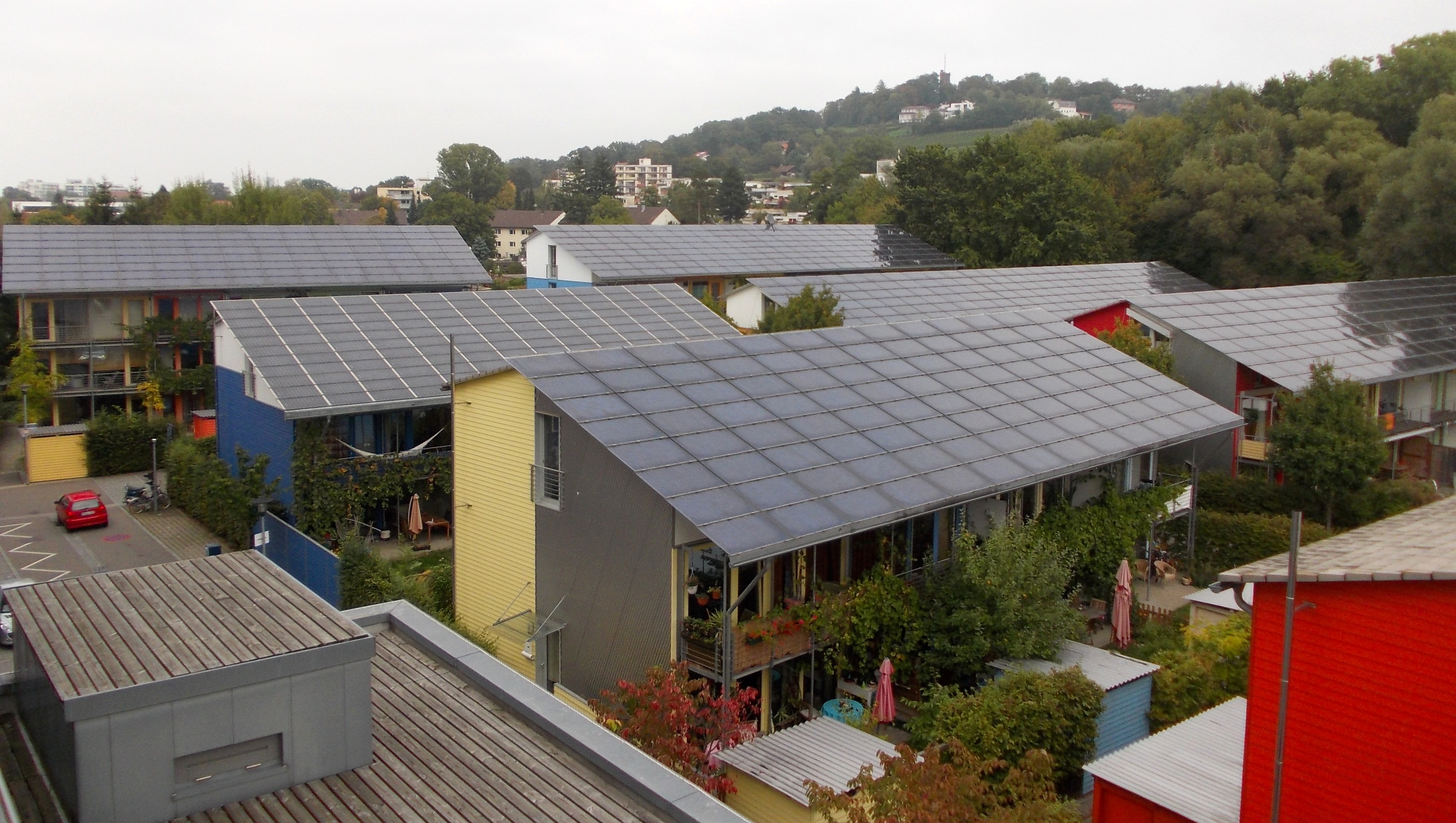
Current developments focus on enhancing the performance and scalability of sustainable materials. Innovations in mass timber (like CLT) are enabling taller, more complex wooden structures, challenging the dominance of steel and concrete. Research into bio-based materials, such as mycelium composites and algae-based plastics, is yielding promising results for insulation and paneling. The integration of BIPV (building-integrated photovoltaics) into roofing and facade materials is becoming more common, turning buildings into energy generators. Furthermore, advancements in 3D printing are exploring the use of recycled and local materials for on-site fabrication, potentially reducing waste and transportation costs. The circular economy principles are increasingly being applied, with a focus on designing for disassembly and material reuse.
🤔 Controversies & Debates
Debates persist regarding the true 'sustainability' of certain materials. While bamboo is rapidly renewable, its processing can be energy-intensive, and transportation from Asia to Western markets adds significant embodied energy. Similarly, the sustainability of some recycled materials depends heavily on the energy used in the recycling process and the original source of the material. There's also a controversy around 'greenwashing,' where manufacturers make unsubstantiated or misleading claims about the environmental benefits of their products. The cost premium associated with some sustainable materials, though decreasing, remains a barrier for widespread adoption, particularly in developing economies. The long-term performance and durability of newer bio-based materials are also subjects of ongoing scrutiny and research.
🔮 Future Outlook & Predictions
The future of building materials is undeniably green. Expect continued innovation in carbon-sequestering materials that actively remove CO2 from the atmosphere during their production or lifespan. The development of self-healing concrete and bio-integrated materials that can adapt to environmental conditions will likely become more prevalent. As regulations tighten globally, mandating lower embodied carbon and higher recycled content, the market will increasingly favor materials with transparent lifecycle assessments. The integration of smart building technologies will also play a role, optimizing material performance and enabling better end-of-life management. The ultimate goal is a fully circular construction economy where waste is minimized, and materials are perpetually reused or regenerated.
💡 Practical Applications
Sustainable building materials find application across the entire spectrum of construction. In residential buildings, they are used for everything from insulation (like mineral wool or cellulose) and structural framing (such as CLT) to finishes like low-VOC paints and natural linoleum flooring. Commercial projects increasingly specify materials that contribute to LEED or BREEAM points, including recycled steel, reclaimed timber, and cork flooring. Infrastructure projects are exploring the use of recycled aggregates in concrete and permeable paving solutions made from recycled plastics. Even temporary structures and modular housing are benefiting from the development of lightweight, recyclable materials
Key Facts
- Category
- technology
- Type
- topic