
Contents
Overview
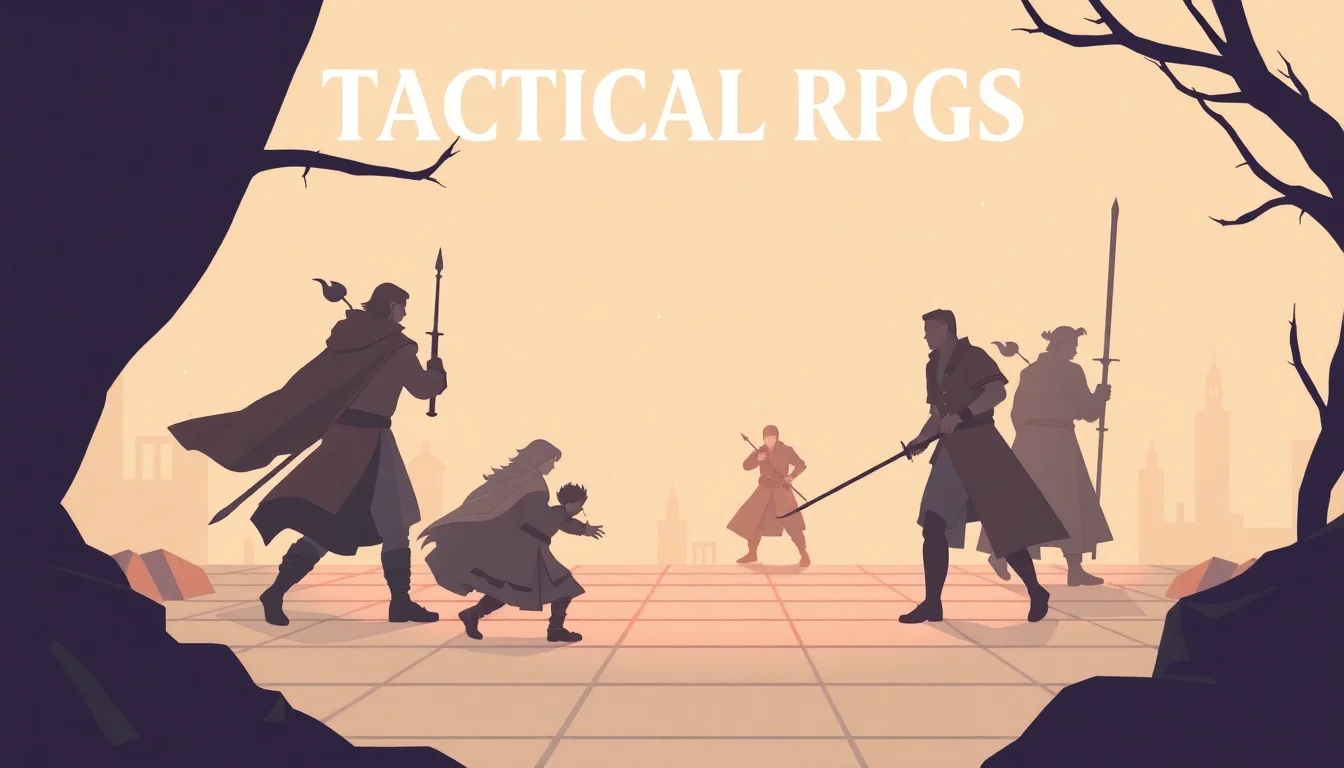
Tactical role-playing games (TRPGs), also known as strategy RPGs (SRPGs), fuse the intricate character development and narrative depth of role-playing games with the turn-based strategic combat of wargames. Players command a squad of characters on a grid-based battlefield, carefully maneuvering units, utilizing unique abilities, and managing resources to overcome challenging enemy forces. The genre emphasizes thoughtful positioning, resource management, and understanding unit synergies, often featuring complex skill trees, class systems, and branching storylines. Originating from tabletop wargames and early computer RPGs, TRPGs have evolved significantly, with titles like Fire Emblem and Final Fantasy Tactics defining many of its core mechanics. Today, the genre thrives across multiple platforms, from dedicated consoles to mobile devices, continuing to attract players who appreciate its blend of strategic depth and compelling character arcs.
🎵 Origins & History
The roots of tactical RPGs stretch back to the tabletop wargames of the 1970s. The true genesis of the TRPG genre as we know it began to crystallize in the late 1980s and early 1990s. These early pioneers established the grid-based movement, turn-based combat, and deep RPG mechanics that define the genre.
⚙️ How It Works
At its core, a tactical RPG revolves around commanding a party of characters on a grid-based map. Each character possesses unique stats, abilities, and often a specific class, dictating their role in combat. Players take turns moving their units, attacking enemies, and using special skills, with actions often influenced by factors like terrain, line of sight, and character positioning. The objective is typically to defeat all enemy units, achieve specific mission goals, or survive for a set number of turns. Beyond combat, TRPGs feature robust RPG elements: characters gain experience points from battles, level up to improve their stats, and can often learn new skills or change classes. Story progression is usually driven by dialogue, cutscenes, and sometimes branching narrative paths, with player choices potentially impacting character relationships and available missions. Resource management, such as managing spell slots, item usage, and character health, is crucial for success.
📊 Key Facts & Numbers
The TRPG market is a significant segment within the broader RPG industry. The rise of accessible game development tools like Unity and Unreal Engine has lowered the barrier to entry, leading to a surge in innovative TRPG projects on platforms like Steam. Mobile gaming continues to be a major force, with ongoing support for established titles and new releases vying for player attention.
👥 Key People & Organizations
Key figures instrumental in shaping the TRPG genre include Masao Kobayashi, a producer on the early Fire Emblem games, and Yasumi Matsuno, the director behind Final Fantasy Tactics and Tactics Ogre. Companies like Intelligent Systems, a subsidiary of Nintendo, have been central to the development of the Fire Emblem franchise for over three decades. Square Enix remains a powerhouse with its Final Fantasy Tactics and Tactics Ogre series. Larian Studios' critically acclaimed Baldur's Gate 3, while not strictly a TRPG, incorporates significant tactical combat elements that have influenced the genre's perception. Organizations like GDC regularly feature panels discussing the design principles and future of tactical gameplay.
🌍 Cultural Impact & Influence
TRPGs have profoundly influenced not only the gaming industry but also broader pop culture. The strategic thinking and character-driven narratives resonate with players, fostering dedicated communities and fan-created content, including fan fiction, strategy guides, and even total conversion mods for games like XCOM 2. The genre's emphasis on unit synergy and tactical positioning has inspired elements in real-time strategy games and even some action RPGs. The visual style, often featuring detailed character sprites and isometric battlefields, has also influenced anime and illustration. The success of titles like Fire Emblem Heroes on mobile platforms also demonstrates the genre's adaptability and broad appeal.
⚡ Current State & Latest Developments
The TRPG landscape in 2024-2025 is vibrant and diverse. The rise of accessible game development tools like Unity and Unreal Engine has lowered the barrier to entry, leading to a surge in innovative TRPG projects on platforms like Steam. Mobile gaming continues to be a major force, with ongoing support for established titles and new releases vying for player attention.
🤔 Controversies & Debates
One persistent debate within the TRPG community centers on the role of permadeath. While some players, particularly fans of the Fire Emblem franchise, see it as a crucial element that raises the stakes and encourages careful strategy, others find it overly punishing and frustrating, leading developers to often include optional 'casual' modes that disable permadeath. Another point of contention is the balance between narrative and gameplay; some argue that overly long cutscenes or dialogue segments can disrupt the flow of strategic combat, while others believe the story is paramount. The complexity of TRPG systems also sparks debate, with discussions often arising about whether intricate mechanics like job systems and skill trees enhance or detract from the player experience. The increasing prevalence of microtransactions in some mobile TRPGs, such as those in Fire Emblem Heroes, also draws criticism regarding pay-to-win mechanics.
🔮 Future Outlook & Predictions
The future of tactical RPGs appears robust, with continued innovation expected in both AAA and indie spaces. We can anticipate further integration of procedural generation and AI to create more dynamic and replayable campaigns, potentially moving beyond static grid maps. The success of games like Baldur's Gate 3 suggests a growing appetite for TRPG-like combat systems in broader RPG contexts, potentially blurring genre lines. Expect more cross-platform releases, with TRPGs becoming increasingly accessible on PC, consoles, and mobile devices. Developers may also explore more ambitious narrative structures, leveraging player choices to create truly unique story arcs. The potential for VR and AR integration, while still nascent, could offer entirely new ways to experience tactical combat, placing players directly onto the battlefield.
💡 Practical Applications
Tactical RPGs offer a wealth of practical applications beyond pure entertainment. The problem-solving and strategic planning required to succeed in these games can enhance critical thinking, resource management, and decision-making skills. Th
Key Facts
- Category
- games
- Type
- topic