
Contents
Overview
The takohiki, a specialized Japanese knife, emerged from the bustling culinary scene of Tokyo, then known as Edo. While the yanagi-ba became the dominant sashimi knife in Osaka, Tokyo's chefs developed the takohiki for their specific needs, which often involved preparing octopus and squid. These ingredients, with their unique textures and shapes, required a different cutting motion. The takohiki's development reflects a regional specialization in Japanese knife-making, where form strictly follows function. Early takohiki were likely forged by master blacksmiths serving the shogun's court and the city's elite, emphasizing both utility and aesthetic refinement. The knife's design evolved over centuries, with variations appearing in blade length and width, but the core characteristic of a squared tip remained. The takohiki's distinctive squared or flat tip is its defining feature, differentiating it from the pointed yanagi-ba. This shape is engineered for a 'pulling' cut. When slicing through the flesh of an octopus or squid, the chef grips the ingredient firmly and pulls the knife towards themselves, using the straight edge and the squared tip to create a clean, single pass. This method minimizes damage to the delicate muscle fibers, crucial for achieving the melt-in-your-mouth texture prized in sashimi. Like most traditional Japanese knives, the takohiki is typically single-beveled, meaning only one side of the blade is sharpened. This allows for exceptionally thin slicing and precise control, but also necessitates specialized sharpening techniques using whetstones, often performed by dedicated professionals like those at Kappabashi Street in Tokyo.
🎵 Origins & History
The takohiki emerged from the bustling culinary scene of Tokyo, then known as Edo. While the yanagi-ba (willow blade) became the dominant sashimi knife in Osaka, Edo's chefs developed the takohiki for their specific needs, which often involved preparing octopus and squid. These ingredients, with their unique textures and shapes, required a different cutting motion. The takohiki's development reflects a regional specialization in Japanese knife-making, where form strictly follows function. Early takohiki were likely forged by master blacksmiths serving the shogun's court and the city's elite, emphasizing both utility and aesthetic refinement. The knife's design evolved over centuries, with variations appearing in blade length and width, but the core characteristic of a squared tip remained.
⚙️ How It Works
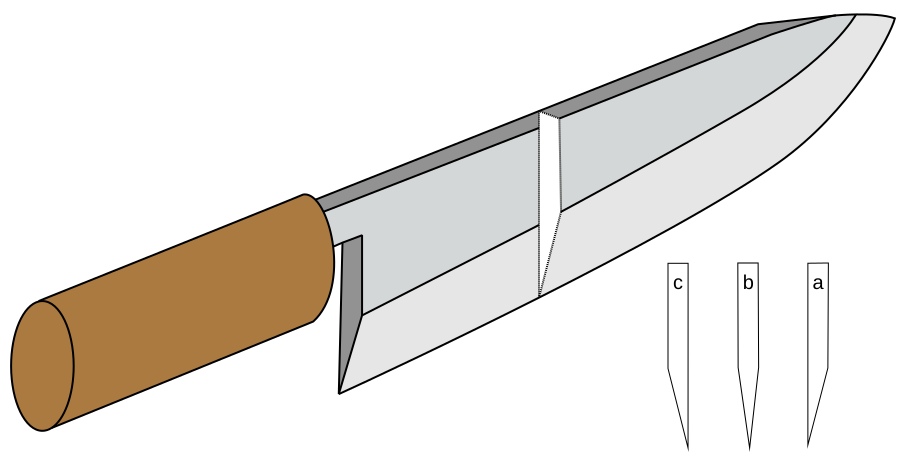
The takohiki's distinctive squared or flat tip is its defining feature, differentiating it from the pointed yanagi-ba. This shape is engineered for a 'pulling' cut. When slicing through the flesh of an octopus or squid, the chef grips the ingredient firmly and pulls the knife towards themselves, using the straight edge and the squared tip to create a clean, single pass. This method minimizes damage to the delicate muscle fibers, crucial for achieving the melt-in-your-mouth texture prized in sashimi. Like most traditional Japanese knives, the takohiki is typically single-beveled, meaning only one side of the blade is sharpened. This allows for exceptionally thin slicing and precise control, but also necessitates specialized sharpening techniques using whetstones, often performed by dedicated professionals like those at Kappabashi Street in Tokyo.
📊 Key Facts & Numbers
While precise global production numbers for takohiki are scarce, it's estimated that a significant number are produced annually by Japanese manufacturers. High-end, hand-forged takohiki can command prices that reflect the labor-intensive craftsmanship. The blade length typically varies, with 270mm being a common choice. The steel used can range from traditional high-carbon steels like Shirogami (white steel) and Aogami (blue steel), known for their sharpness and edge retention, to modern stainless steel alloys.
👥 Key People & Organizations
Key figures in the takohiki's history are often the master blacksmiths whose names are etched into the blades themselves, though many are now deceased. Contemporary artisans like Yoshikazu Tanaka of Tanaka Hamono continue to produce high-quality takohiki, upholding traditional forging techniques. Major Japanese cutlery manufacturers such as Tojiro, Shun, and Miyabi produce takohiki for both domestic and international markets, often blending traditional designs with modern materials and ergonomics. The Allied Kitchen Knife Manufacturers Association in Seki City, Japan, represents a collective of manufacturers dedicated to preserving and advancing Japanese knife-making standards, including the takohiki.
🌍 Cultural Impact & Influence
The takohiki's influence extends beyond the professional kitchen, permeating the aesthetic appreciation of Japanese cuisine globally. Its existence highlights the philosophy of shokunin (職人), the pursuit of mastery in a craft, where each tool is honed to perfection for its specific purpose. The knife's elegant, minimalist design has also found its way into broader discussions of Japanese design, influencing everything from kitchenware to art. Its association with high-quality sushi and sashimi preparation has made it a coveted item for culinary enthusiasts and collectors worldwide, contributing to the global fascination with washoku (traditional Japanese cuisine). The visual of a chef expertly wielding a takohiki is an iconic image in culinary media.
⚡ Current State & Latest Developments
The takohiki remains a vital tool in professional sushi establishments, particularly in Japan and in high-end sushi restaurants across North America and Europe. While mass-produced versions are available, there's a growing trend towards artisanal, hand-forged takohiki, with chefs seeking out specific blacksmiths and steel types. Online retailers and specialized knife shops, such as Chef Knives To Go and Knifewear, report steady demand. Recent developments include the integration of more ergonomic handle designs and the use of advanced stainless steel alloys that offer superior corrosion resistance while maintaining excellent sharpness, appealing to a wider audience less accustomed to the maintenance required by traditional carbon steels. The ongoing popularity of omakase dining experiences further solidifies the takohiki's relevance.
🤔 Controversies & Debates
The primary debate surrounding the takohiki centers on its perceived necessity versus the versatility of other sashimi knives, like the yanagi-ba. Skeptics argue that a skilled chef can perform most slicing tasks with a well-sharpened yanagi-ba, questioning the need for a specialized tool. Proponents, however, emphasize the takohiki's superior performance with specific ingredients like octopus, where its unique tip and pulling motion create demonstrably cleaner cuts. Another point of contention, though less about the knife itself and more about its use, is the proper sharpening and maintenance. Carbon steel takohiki require diligent care to prevent rust and maintain their keen edge, a commitment not all users are willing or able to make, leading to debates about the practicality of traditional materials in modern kitchens.
🔮 Future Outlook & Predictions
The future of the takohiki appears secure, driven by the enduring global appeal of Japanese cuisine and the increasing appreciation for specialized culinary tools. We can anticipate further innovation in materials science, potentially leading to hybrid steels that offer the sharpness of carbon steel with the low maintenance of stainless steel, making the takohiki more accessible. As the understanding of umami and the nuances of seafood preparation grows internationally, demand for authentic tools like the takohiki is likely to increase. There may also be a rise in educational content and workshops focused on the specific techniques required for using and maintaining these knives, further demystifying their use for aspiring chefs and home cooks. The takohiki will likely continue to be a symbol of precision and dedication in the culinary arts.
💡 Practical Applications
The takohiki's primary application is in the preparation of sashimi and sushi, specifically for slicing ingredients like octopus, squid, and certain types of fish where a clean, pulling cut is advantageous. Beyond these core uses, it can be employed for tasks requiring precise, thin slicing of other proteins or even vegetables, though this is less common. In professional kitchens, it's often part of a specialized knife roll alongside a yanagi-ba, deba knife, and nakiri for a complete sushi preparation set. Home cooks who are serious about Japanese cuisine might use a takohiki for preparing ceviche or other dishes where delicate slicing is paramount. Its utility is also found in culinary schools and workshops dedicated to teaching the art of sushi making.
Key Facts
- Category
- aesthetics
- Type
- product