
Contents
- 🎯 What is Targeted Marketing?
- 📈 Who Benefits Most?
- 📍 Where to Find Targeted Marketing Services
- 💰 Pricing & Investment Tiers
- ⭐ What People Say (Vibe Scores & Reviews)
- ⚖️ Targeted Marketing vs. Broadcasting
- 🛠️ Key Tools & Technologies
- 💡 Practical Tips for Success
- 🚀 Getting Started with Targeted Marketing
- Frequently Asked Questions
- Related Topics
Overview
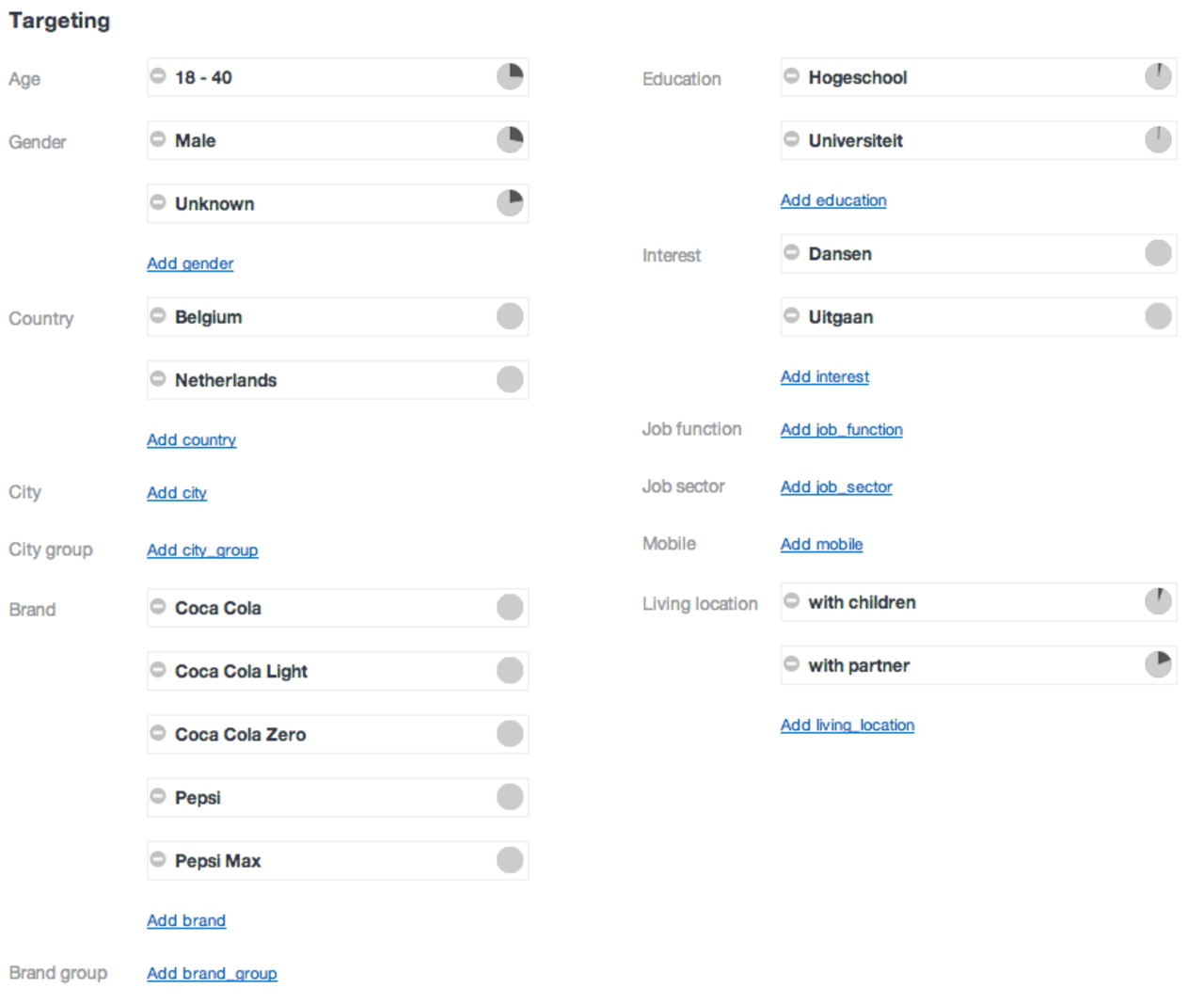
Targeted marketing is the strategic practice of directing promotional efforts towards specific segments of a population identified by shared characteristics. This isn't about shouting into the void; it's about whispering directly into the ear of the most receptive audience. Think of it as a laser beam, not a floodlight. By analyzing data points such as demographics, psychographics, online behavior, and purchase history, marketers can craft messages that resonate deeply with individual consumer needs and desires. This precision ensures that marketing spend is optimized, reaching those most likely to convert, thereby maximizing ROAS. The core principle is relevance: delivering the right message to the right person at the right time.
📈 Who Benefits Most?
The benefits of targeted marketing are far-reaching, impacting businesses of all sizes. Small businesses can punch above their weight by focusing limited budgets on high-potential customer groups, avoiding the waste associated with mass advertising. E-commerce giants, on the other hand, leverage sophisticated algorithms to personalize customer journeys at scale, driving repeat purchases and increasing CLV. Non-profits also find value in targeting potential donors or volunteers based on their philanthropic interests and past engagement. Essentially, any entity seeking to connect with a specific audience more efficiently will find targeted marketing indispensable.
📍 Where to Find Targeted Marketing Services
Targeted marketing services are ubiquitous across the digital landscape. Major platforms like Google and Facebook/Instagram offer robust tools for advertisers to define and reach precise audiences. Specialized CRM platforms, such as Salesforce and HubSpot, integrate marketing automation with data analytics to facilitate targeted campaigns. Digital marketing agencies, from global powerhouses like WPP to boutique specialists, also provide expertise in developing and executing targeted strategies. For direct-to-consumer brands, email marketing platforms like Mailchimp and Klaviyo are crucial for personalized outreach.
💰 Pricing & Investment Tiers
The investment in targeted marketing varies wildly, from a few hundred dollars for a small, focused social media campaign to millions for enterprise-level programmatic advertising. Many platforms operate on a PPC or CPM model, allowing for flexible budgeting. Basic audience segmentation on platforms like Google Ads can be free to implement, with costs accruing based on ad spend. More advanced data analytics and AI-powered marketing tools often come with subscription fees, ranging from $50/month for entry-level software to tens of thousands for enterprise solutions. The key is to align budget with strategic goals and expected KPIs.
⭐ What People Say (Vibe Scores & Reviews)
Targeted marketing generally scores high on efficiency and effectiveness, often boasting Vibe Score in the 70-85 range for its ability to connect with consumers. Users frequently praise the ability to "speak directly" to their ideal customer, leading to higher conversion rates and reduced wasted ad spend. However, a persistent Controversy Spectrum exists around data privacy and ethical data usage, with some consumers expressing concern over the extent of tracking. This has led to increased scrutiny and regulatory action, such as the General Data Protection Regulation, impacting how data can be collected and utilized. The debate centers on balancing personalization with privacy rights.
⚖️ Targeted Marketing vs. Broadcasting
The fundamental difference lies in reach versus relevance. Broadcasting marketing, like traditional TV ads or billboards, aims for maximum exposure, hoping to capture a fraction of a large, undifferentiated audience. It’s a shotgun approach. Targeted marketing, conversely, is a sniper rifle, focusing on specific individuals or groups with tailored messages. While broadcasting can build broad brand awareness, targeted marketing excels at driving specific actions, fostering deeper engagement, and improving CAC. The former is about volume; the latter is about precision and efficiency.
🛠️ Key Tools & Technologies
Several key technologies underpin effective targeted marketing. CDPs consolidate customer information from various sources, creating unified profiles for segmentation. Marketing Automation enables personalized communication at scale, triggering emails or ads based on user behavior. AI and ML are increasingly used for predictive analytics, audience discovery, and dynamic creative optimization. Programmatic advertising platforms automate the buying and selling of ad inventory in real-time, allowing for hyper-targeted placements across millions of websites and apps. Analytics tools, such as Google Analytics, are crucial for measuring campaign performance and informing future strategies.
💡 Practical Tips for Success
To maximize the impact of targeted marketing, start with a crystal-clear understanding of your ideal customer. Develop detailed buyer personas that go beyond basic demographics to include motivations, pain points, and media consumption habits. Ensure your data is clean, accurate, and ethically sourced. A/B test your ad creatives and messaging relentlessly to identify what resonates best with each segment. Continuously monitor your campaign performance, analyzing metrics like click-through rates, conversion rates, and CPA. Don't be afraid to refine your targeting parameters based on real-world data; the market is dynamic, and your strategy should be too.
🚀 Getting Started with Targeted Marketing
Embarking on targeted marketing requires a strategic approach. First, define your objectives: are you aiming for brand awareness, lead generation, or direct sales? Next, identify your target audience segments using available data and market research. Select the appropriate platforms and tools that align with your budget and technical capabilities. Craft compelling, personalized ad copy and visuals tailored to each segment's interests. Implement tracking mechanisms to measure campaign effectiveness and gather data for optimization. Finally, allocate your budget strategically, focusing on channels that deliver the highest ROI for your specific goals.
Key Facts
- Year
- 1990
- Origin
- The roots of targeted marketing can be traced back to direct mail campaigns and early forms of market segmentation in the mid-20th century. However, its modern iteration exploded with the advent of the internet and the ability to collect and analyze vast amounts of consumer data, truly taking off in the late 1990s and early 2000s with the rise of online advertising platforms.
- Category
- Marketing & Advertising
- Type
- Strategy
Frequently Asked Questions
Is targeted marketing ethical?
The ethics of targeted marketing are a subject of ongoing debate, falling on a spectrum from highly beneficial to potentially invasive. When done transparently and with user consent, it can enhance the consumer experience by delivering relevant offers and information. However, concerns arise regarding data privacy, potential for manipulation, and the creation of filter bubbles. Regulations like GDPR and CCPA aim to provide consumers with more control over their data, pushing marketers towards more responsible practices. The key lies in balancing personalization with respect for individual privacy.
What's the difference between targeted marketing and personalized marketing?
While often used interchangeably, there's a subtle distinction. Targeted marketing focuses on delivering ads to a specific, predefined audience segment based on shared characteristics. Personalized marketing takes it a step further by tailoring the message, offer, or experience to an individual user based on their unique data and behavior. Targeted marketing is about who sees the ad; personalized marketing is about what that specific person sees within the ad or their subsequent experience. Both are crucial components of modern digital marketing strategies.
How much does targeted marketing typically cost?
The cost is highly variable. For small businesses, a modest budget of a few hundred dollars per month on platforms like Facebook Ads or Google Ads can yield results. Larger enterprises might invest hundreds of thousands or even millions annually in sophisticated programmatic advertising campaigns and advanced data analytics tools. The pricing models often involve PPC, CPM, or CPA structures, allowing for flexibility. The true cost is determined by the scale of your campaigns, the competitiveness of your target audience, and the sophistication of your strategy.
What are the main platforms for targeted advertising?
The primary platforms are dominated by major tech companies. Google offers unparalleled reach across its search engine, YouTube, and a vast network of websites. Meta Platforms (Facebook and Instagram) provides deep demographic and interest-based targeting capabilities. Other significant players include LinkedIn for B2B targeting, X (formerly Twitter) for real-time engagement, and TikTok for reaching younger demographics. Programmatic advertising platforms also enable targeted placements across a wider array of websites and apps.
How can I measure the success of my targeted marketing campaigns?
Success is measured against your initial objectives using specific KPIs. For brand awareness campaigns, track metrics like impressions, reach, and brand recall. For lead generation, monitor conversion rates, cost per lead (CPL), and lead quality. For sales-focused campaigns, track ROAS, CAC, and average order value. Analytics tools like Google Analytics are essential for tracking user behavior post-click and understanding the full customer journey.
What are the biggest challenges in targeted marketing?
Key challenges include navigating evolving data privacy laws, such as GDPR and CCPA, which restrict data collection and usage. Maintaining data accuracy and hygiene is an ongoing battle. Audience fatigue and ad blindness can reduce effectiveness, requiring constant creative innovation. Furthermore, the increasing complexity of digital platforms and the need for specialized skills in data analytics and AI marketing present significant hurdles for many businesses. Finally, the ethical considerations surrounding data usage remain a persistent challenge.