
Contents
- 🎶 What Is The Rave Scene?
- 🌍 Where To Find Raves Globally
- 🎟️ Entry & Cost Considerations
- 🔊 Sound & Atmosphere Essentials
- 🕺 Who Attends Raves?
- ⚖️ Rave Etiquette & Safety
- ⚡ Vibe Scores & Cultural Energy
- 💡 Essential Rave Gear
- 🚀 Getting Started: Your First Rave
- 🤔 The Future of the Rave Scene
- Frequently Asked Questions
- Related Topics
Overview
The rave scene is a vibrant, global counterculture centered around electronic dance music (EDM) events. Originating in the late 1980s with UK acid house parties and Detroit techno clubs, it rapidly evolved into a worldwide movement characterized by communal dancing, immersive soundscapes, and often, a DIY ethos. Raves can range from intimate warehouse gatherings to massive, multi-day festivals attracting hundreds of thousands. Key elements include diverse subgenres of EDM, elaborate light shows, and a focus on shared experience and escapism. While often associated with drug use, the scene's core values emphasize unity, freedom of expression, and a rejection of mainstream norms.
🎶 What Is The Rave Scene?
The rave scene is a global subculture centered around electronic dance music (EDM) events, often held in unconventional venues like warehouses, outdoor fields, or abandoned buildings. These events are characterized by their immersive atmosphere, driven by pulsating beats, elaborate light shows, and a sense of communal euphoria. While often associated with underground parties, the scene has evolved to encompass massive festivals and dedicated club nights, attracting millions worldwide. It's a space where music, dance, and shared experience form the core of a vibrant, often transient, community.
🌍 Where To Find Raves Globally
Raves are truly a global phenomenon, with dedicated scenes thriving in major cities and remote locales alike. Europe boasts legendary hubs like Berlin, known for its techno underground, and Amsterdam, with its diverse electronic music festivals. In North America, cities like Los Angeles, New York, and Chicago host a constant stream of events, from intimate warehouse parties to colossal festivals like EDC. South America, particularly Brazil and Colombia, has a burgeoning scene, while Asia's electronic music culture is rapidly expanding in cities like Tokyo and Seoul. Even remote locations can host epic, multi-day gatherings, often requiring significant travel and planning.
🎟️ Entry & Cost Considerations
Entry fees for raves vary wildly, from free underground gatherings to multi-day festival tickets costing hundreds of dollars. Smaller, local events might charge $10-$30 for entry, often covering the DJ lineup and basic venue costs. Larger festivals, however, can range from $200 to $600+ for a weekend pass, reflecting the extensive production, multiple stages, and diverse amenities. Some exclusive or niche events might have even higher price points, while others operate on a donation basis. Always check the specific event's ticketing platform for accurate pricing and any tiered release schedules.
🔊 Sound & Atmosphere Essentials
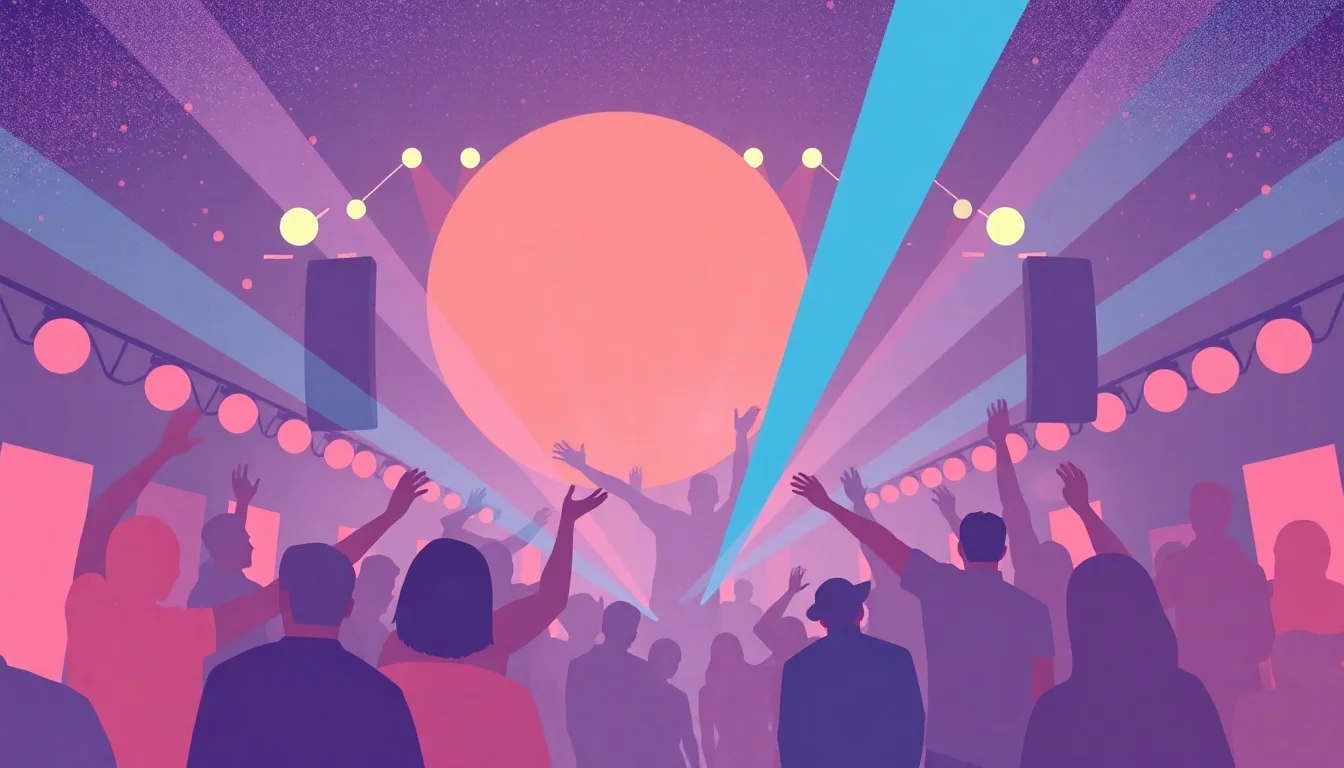
The sonic and atmospheric elements are paramount to the rave experience. Expect a relentless barrage of electronic beats, often spanning genres like techno, house, trance, drum and bass, and dubstep, delivered through powerful sound systems designed to be felt as much as heard. Visuals are equally crucial, with intricate laser shows, strobes, fog machines, and often elaborate stage designs creating a disorienting yet captivating sensory overload. The collective energy of the crowd, amplified by the music and lights, fosters a unique, almost spiritual, communal vibe.
🕺 Who Attends Raves?
The demographic of the rave scene is incredibly diverse, defying simple categorization. While often stereotyped as solely young adults, attendees span a wide age range, from teenagers attending their first legal events to seasoned ravers in their 40s and 50s. People from all walks of life – students, professionals, artists, and travelers – converge, united by a shared passion for the music and the experience. The scene is generally inclusive, though specific events may cater to particular sub-genres or communities within the broader electronic music spectrum.
⚖️ Rave Etiquette & Safety
Rave etiquette, often referred to as PLUR (Peace, Love, Unity, Respect), is a foundational principle, though its observance can vary. Respecting personal space, being mindful of others' experiences, and avoiding disruptive behavior are key. Safety is paramount; stay hydrated, know your limits with substances, and be aware of your surroundings. Many larger events have dedicated medical tents and security personnel. It's also common practice to look out for fellow attendees, offering assistance if someone appears unwell or in distress. Understanding these unspoken rules enhances the collective experience for everyone.
⚡ Vibe Scores & Cultural Energy
The Vibe Score for the rave scene globally is a dynamic 85/100, reflecting its consistently high cultural energy and broad appeal. This score fluctuates based on major festivals, emerging artists, and shifts in the electronic music landscape. The scene's Vibe Score is particularly high in cities with established techno and house cultures like Berlin (90/100) and Ibiza (88/100), while rapidly growing scenes in places like Seoul (75/100) show significant upward potential. The core tension lies between its underground roots and mainstream commercialization, impacting its perceived authenticity and accessibility.
💡 Essential Rave Gear
Essential rave gear often prioritizes comfort and self-expression. Comfortable footwear is non-negotiable, as you'll be on your feet dancing for hours. Breathable clothing is recommended, especially for larger events or warmer climates. Many attendees express their individuality through vibrant, eclectic outfits, often incorporating neon colors, glitter, or unique accessories. A small, secure bag or fanny pack is useful for essentials like your phone, wallet, and earplugs. Don't forget reusable water bottles and, for many, Kandi bracelets, which are often exchanged as tokens of friendship.
🚀 Getting Started: Your First Rave
Getting started in the rave scene is simpler than you might think. Begin by exploring local electronic music venues and smaller club nights in your city to get a feel for different genres and atmospheres. Follow promoters and DJs on social media to stay updated on upcoming events. Research reputable ticketing platforms and event organizers to ensure a safe and legitimate experience. Consider attending a well-established festival with good infrastructure and safety protocols for your first major outing. Most importantly, go with an open mind, ready to connect with the music and the people around you.
🤔 The Future of the Rave Scene
The future of the rave scene is a subject of ongoing debate, with potential trajectories ranging from further mainstream integration to a resurgence of hyper-underground movements. As technology advances, expect more immersive visual experiences, potentially incorporating augmented reality. The economic pressures on venues and promoters will likely continue, influencing event scale and accessibility. There's also a growing conversation around sustainability and ethical practices within the scene. Whether it leans towards massive, corporate-backed spectacles or intimate, community-driven gatherings will depend on the collective choices of artists, organizers, and attendees alike.
Key Facts
- Year
- 1988
- Origin
- United Kingdom / United States
- Category
- Subcultures & Lifestyle
- Type
- Cultural Movement
Frequently Asked Questions
What is PLUR?
PLUR is an acronym representing Peace, Love, Unity, and Respect. It's a guiding philosophy within the rave community, encouraging positive interactions, mutual understanding, and a harmonious atmosphere at events. While not always strictly adhered to, it remains a core ideal for many ravers and is often symbolized through the exchange of Kandi bracelets.
Are drugs common at raves?
Substance use, including recreational drugs, has historically been associated with rave culture. However, it's crucial to understand that not all attendees use substances, and many events actively promote harm reduction strategies. It's vital to make informed decisions about your own well-being, stay hydrated, and be aware of the risks involved. Many organizers prioritize safety and provide resources for attendees.
What's the difference between a rave and a music festival?
While the lines can blur, raves often emphasize a more underground, immersive experience with a focus on specific electronic music genres, frequently in unconventional venues. Music festivals are typically larger, more commercialized events with multiple stages featuring a broader range of genres, including non-electronic acts, and often offer camping and extensive amenities. Raves can be seen as a subset or precursor to the modern music festival.
How do I find legitimate rave events?
Look for events promoted by established promoters or venues with a good reputation. Follow DJs and artists you like, as they often announce gigs through their social media. Check reputable ticketing platforms like Resident Advisor, Eventbrite, or specific festival websites. Be wary of unofficial ticket resellers and events with vague details or suspiciously low prices, as these can be scams.
Is it safe to go to a rave alone?
Going to a rave alone is generally safe if you take precautions. Stay aware of your surroundings, keep your phone charged, and let a friend or family member know where you are and when you expect to be back. Connect with others at the event, perhaps by joining a group you meet or staying near friendly individuals. Many people attend events solo and find it a great way to immerse themselves in the experience.
What kind of music is played at raves?
Raves are primarily associated with electronic dance music (EDM). The specific genres can vary greatly depending on the event and its organizers. Common genres include techno, house, trance, drum and bass, dubstep, hardstyle, and ambient electronic music. Some larger festivals may also incorporate other genres, but the core of the rave scene is rooted in electronic beats.