
Contents
- 🎵 Origins & History
- ⚙️ How It Works
- 📊 Key Facts & Numbers
- 👥 Key People & Organizations
- 🌍 Cultural Impact & Influence
- ⚡ Current State & Latest Developments
- 🤔 Controversies & Debates
- 🔮 Future Outlook & Predictions
- 💡 Practical Applications
- 📚 Related Topics & Deeper Reading
- Frequently Asked Questions
- References
- Related Topics
Overview
The lineage of the tire iron stretches back to the earliest forms of wheeled transport. Ancient civilizations utilized simple levers, likely fashioned from wood or bone, to manage the solid rubber or wooden wheels of chariots and carts. As pneumatic tires emerged in the late 19th century, pioneered by figures like John Boyd Dunlop with his 1888 patent for an inflatable tire, the need for specialized tools to service them became apparent. Early automobile tire irons, often heavy-duty steel bars, were essential for mechanics wrestling with stiff, high-pressure tires and split rims. However, the widespread adoption of tubeless tires in automobiles from the mid-1950s, coupled with advancements in wheel design, gradually rendered the traditional tire iron obsolete for many car owners. The bicycle, however, retained the inner tube and rim combination for far longer, cementing the tire iron's place in cycling culture. Brands like Park Tool and Pedro's emerged as key manufacturers, refining designs for ease of use and durability.
⚙️ How It Works
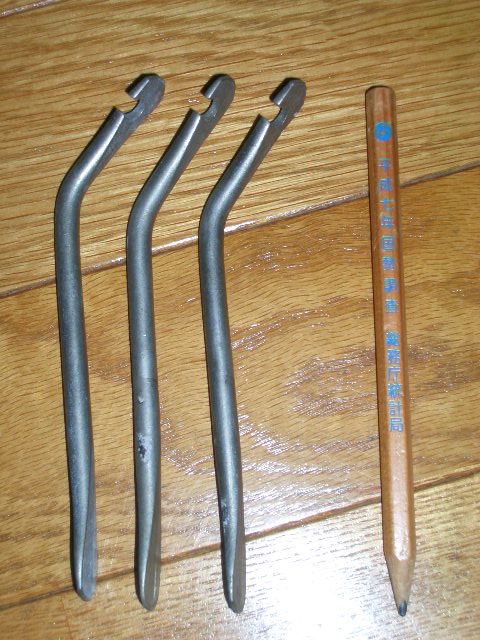
The fundamental principle behind a tire iron is leverage. The tool's sturdy construction allows a user to insert one end between the tire bead and the wheel rim. By applying downward force on the handle, the user creates a fulcrum against the rim, lifting the tire bead over the rim's edge. For stubborn tires, multiple tire irons are often used in sequence around the circumference of the wheel. One common technique involves using two irons: one to hold a section of the bead off the rim, while the second is slid around to progressively unseat the rest of the bead. Bicycle-specific tire irons often feature a hooked end designed to catch on a spoke, providing a stable anchor point and freeing up the user's hands for the prying action. The material—whether metal or plastic—and the shape of the tip are critical to preventing damage to the delicate inner tube and the wheel rim itself.
📊 Key Facts & Numbers
Globally, hundreds of millions of bicycles are in use, with an estimated 1 billion by 2020, each potentially requiring tire maintenance. The global bicycle market was valued at approximately $50 billion in 2023 and is projected to grow. A typical set of bicycle tire irons costs between $5 and $20, making them an accessible tool for nearly every cyclist. While precise figures for tire iron production are scarce, it's estimated that tens of millions of sets are manufactured annually worldwide, primarily in Asia. The automotive sector, though largely phased out, still sees specialized tire irons used in certain repair shops and for vintage vehicles, with an estimated few million units produced for this niche market each year.
👥 Key People & Organizations
While no single inventor is credited with the tire iron's creation, its evolution has been shaped by numerous tool manufacturers and cycling innovators. Park Tool, founded in 1963 by Howard Okner, has become a dominant force in bicycle tools, producing a wide array of tire levers. Pedro's, established in 1989, is another prominent brand known for its innovative cycling tools, including specialized tire levers. Simon Yates and Adam Yates, professional cyclists, have undoubtedly used countless tire irons throughout their careers, indirectly influencing tool design through their experiences. The UCI (Union Cycliste Internationale) sets standards for bicycle components and racing, indirectly influencing the types of tools required for maintenance.
🌍 Cultural Impact & Influence
The tire iron holds a distinct place in cycling culture, often symbolizing self-reliance and the hands-on nature of the sport. It's a common sight in the saddlebags of touring cyclists and the toolboxes of home mechanics. Its presence in emergency roadside repair kits underscores its critical role in keeping riders moving. The bright colors and ergonomic designs of modern tire irons have also made them a small but visible aspect of cycling aesthetics. For many, the act of changing a tire with a tire iron is a rite of passage, a fundamental skill learned early in a cyclist's journey. The ubiquity of the tire iron in cycling media, from instructional videos on YouTube to mentions in cycling magazines, further solidifies its cultural relevance.
⚡ Current State & Latest Developments
In 2024, the tire iron continues its reign in the bicycle world. Manufacturers are increasingly focusing on sustainable materials, with some offering levers made from recycled plastics or biodegradable composites. Innovations include integrated tire levers that clip into bicycle frames or pedals, and levers with built-in tire plug tools for tubeless setups. The rise of electric bikes, which often feature heavier-duty tires, may also spur the development of more robust tire levers. Online marketplaces like Amazon and specialized cycling retailers continue to offer a vast selection, with brands constantly updating their offerings to appeal to performance-oriented cyclists and everyday commuters alike.
🤔 Controversies & Debates
The primary debate surrounding tire irons centers on material choice and potential rim damage. Metal tire irons, while durable, can scratch or gouin aluminum and carbon fiber rims if used carelessly. This has led to the development of plastic and composite levers, which are gentler on rims but can be less durable or prone to snapping under extreme force. Some argue that modern tire designs and rim technologies have made tire irons less necessary, with many riders opting for tubeless setups that require different repair tools. However, the cost-effectiveness and simplicity of the tire iron ensure its continued relevance, particularly for budget-conscious cyclists and those maintaining older or simpler bicycle setups.
🔮 Future Outlook & Predictions
The future of the tire iron will likely see a continued emphasis on material science and integrated functionality. Expect to see more levers made from advanced composites that balance strength, flexibility, and rim protection. The integration of other repair tools—such as chain tools, spoke wrenches, or CO2 inflator heads—into tire lever designs will become more common, creating compact, multi-functional repair kits. As tubeless technology advances, tire irons may evolve to specifically aid in seating stubborn tubeless beads or in conjunction with tire plug insertion tools. The core function, however, of providing mechanical leverage to overcome tire bead resistance, is unlikely to be entirely superseded in the near term.
💡 Practical Applications
The most common application of the tire iron is in bicycle maintenance, specifically for removing and installing tires with inner tubes. This includes fixing flat tires, replacing worn-out tires, or swapping tires for different riding conditions. They are also used by mechanics in bicycle shops for routine servicing and repairs. In some niche automotive applications, specialized, heavy-duty tire irons are still employed for changing tires on trucks, heavy machinery, or classic cars with split rims. Beyond direct tire manipulation, tire irons can sometimes be repurposed as general-purpose levers for prying open stubborn containers or separating components, though this is not their intended use and can risk damage to the tool or the object being pried.
Key Facts
- Year
- Late 19th Century (for pneumatic tires)
- Origin
- Global (evolved from ancient levers)
- Category
- technology
- Type
- product
Frequently Asked Questions
What is a tire iron used for?
A tire iron is primarily used to remove and install bicycle tires, especially those with inner tubes, from and onto wheel rims. It works by using leverage to pry the tire bead over the edge of the rim. While less common now for cars due to tubeless technology, it remains an essential tool for cyclists.
Are metal or plastic tire irons better?
Metal tire irons are generally more durable and offer better leverage for stubborn tires, but they carry a higher risk of scratching or damaging aluminum and carbon fiber rims if not used carefully. Plastic or composite tire irons are gentler on rims and lighter but can be less durable and may snap under extreme force. The best choice often depends on the specific tire, rim material, and user preference.
How do I use a tire iron without damaging my rim or tube?
To avoid damage, insert the tire iron carefully between the tire bead and rim, ensuring not to pinch the inner tube. Use gentle, steady pressure. For difficult tires, use multiple irons spaced apart, working incrementally around the rim rather than forcing one section. Avoid using excessive force, which can bend the rim or tear the tire bead. Many cyclists recommend plastic levers for their first attempts to minimize risk.
Why aren't tire irons as common for cars anymore?
The widespread adoption of tubeless tires in automobiles starting in the mid-20th century significantly reduced the need for traditional tire irons. Tubeless tires are designed to seal directly against the rim, and modern wheel designs often integrate the tire bead more securely. While specialized tools are still used by professionals for car tire changes, the average car owner rarely encounters a situation requiring a manual tire iron.
Can tire irons be used for tubeless bicycle tires?
Yes, tire irons can still be used for tubeless bicycle tires, particularly for the initial removal of the tire from the rim or for installing a new tire. However, seating tubeless tires often requires specialized techniques or equipment like a compressor or a tubeless 'booster' tank to rapidly inflate the tire and force the bead onto the rim. Tire irons might also be used in conjunction with tire plug kits for repairing punctures on tubeless setups.
What are the best brands for bicycle tire irons?
Several reputable brands offer high-quality bicycle tire irons. Park Tool is a long-standing favorite known for its durable and effective levers. Pedro's also produces well-regarded, often brightly colored, tire levers. Other popular choices include levers from Lezyne, Crankbrothers, and Finish Line, many of which offer integrated features or unique designs.
What is the history of the tire iron?
The concept of the tire iron as a lever for manipulating wheels dates back to ancient times, used for solid wheels. With the invention of the pneumatic tire by John Boyd Dunlop in 1888, the need for tools to service these new, more complex tires arose. Early automobile tire irons were robust steel bars. As bicycle technology evolved and tubeless tires became standard in cars, the tire iron remained a crucial tool specifically for bicycles with inner tubes, with manufacturers like Park Tool refining designs over decades.