
Contents
Overview
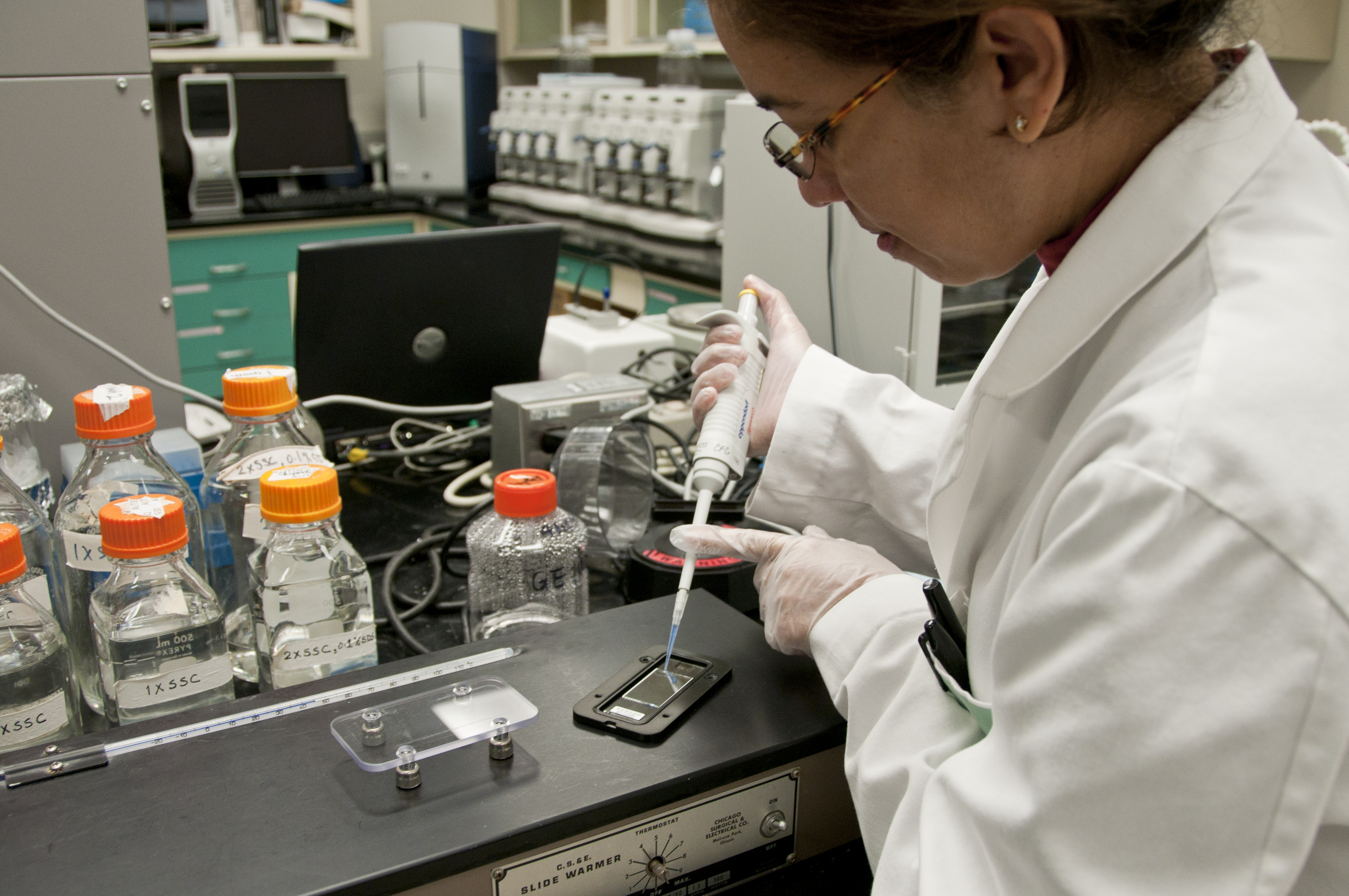
Toxicology is the interdisciplinary scientific study of the adverse effects of chemical, physical, or biological agents on living organisms. It delves into the mechanisms by which these agents, known as toxicants or toxins, cause harm, and the dose-response relationships that govern these effects. This field is critical for understanding everything from the efficacy and side effects of drugs to the environmental impact of pollutants and the safety of food additives. Toxicologists employ principles from biology, chemistry, pharmacology, and medicine to identify, characterize, and mitigate risks associated with exposure to potentially harmful substances. The discipline is fundamental to public health, environmental protection, and regulatory science, influencing everything from workplace safety standards to the approval of new consumer products.
🎵 Origins & History
The roots of toxicology stretch back to antiquity. During the Renaissance, Paracelsus (1493–1541) is often hailed as the father of modern toxicology, articulating the crucial principle that "the dose makes the poison" (Latin: sola dosis facit venenum). His work shifted the focus from the inherent nature of a substance to the quantity administered. The 19th century saw the formalization of toxicology as a distinct scientific discipline, with pioneers like Mathieu Orfila establishing systematic methods for identifying poisons in forensic investigations.
⚙️ How It Works
At its core, toxicology investigates the interaction between a xenobiotic (a foreign chemical substance) and a biological system. This involves understanding absorption, distribution, metabolism, and excretion (ADME) of the substance within the organism. Toxicologists study the molecular mechanisms of toxicity, identifying how chemicals damage cells, disrupt biochemical pathways, or interfere with physiological functions. Key concepts include acute toxicity (effects from a single or short-term exposure), chronic toxicity (effects from repeated or long-term exposure), and specific toxicological endpoints like carcinogenicity (cancer-causing potential), mutagenicity (ability to cause genetic mutations), and teratogenicity (ability to cause birth defects). The field relies heavily on experimental models, ranging from in vitro cell cultures to in vivo studies in animals, to elucidate these complex interactions.
📊 Key Facts & Numbers
In the United States alone, the American Association of Poison Control Centers reported over 2.5 million human exposure incidents in 2022, with medications being the most common substance involved. The U.S. Environmental Protection Agency (EPA) evaluates tens of thousands of chemicals annually, requiring extensive toxicological data to assess risks to human health and the environment.
👥 Key People & Organizations
Key figures in toxicology include Paracelsus, whose "dose makes the poison" principle remains foundational. Mathieu Orfila, a 19th-century chemist and physician, is credited with establishing toxicology as a formal science through his systematic approach to poison identification. In the 20th century, Rachel Carson highlighted the dangers of pesticides like DDT. Major organizations driving the field include governmental agencies such as the National Institute of Environmental Health Sciences (NIEHS) in the U.S., which funds research and promotes understanding of health effects associated with environmental exposures.
🌍 Cultural Impact & Influence
Toxicology has profoundly shaped public perception and policy regarding health and safety. Rachel Carson's work on DDT spurred the creation of the U.S. Environmental Protection Agency (EPA). The discipline underpins regulatory frameworks for pharmaceuticals, food safety, and industrial chemicals, influencing everyday products from cosmetics to plastics. Public awareness campaigns about the dangers of substances like tobacco smoke and lead paint are direct outcomes of toxicological research. The field also influences media portrayals of science and risk, often featuring prominently in crime dramas and public health advisories.
⚡ Current State & Latest Developments
The field is rapidly evolving with the advent of new methodologies, particularly in in vitro testing and computational toxicology. The push for New Approach Methodologies (NAMs), which aim to reduce or replace animal testing, is a major current development. Initiatives like the EPA's ToxCast program utilize high-throughput screening and computational modeling to predict chemical toxicity. Furthermore, advancements in genomics and proteomics are enabling a deeper understanding of individual susceptibility to toxicants, leading to the emerging field of toxicogenomics. The ongoing global effort to assess the safety of thousands of industrial chemicals, such as under Europe's REACH regulation, continues to drive innovation and demand for toxicological expertise.
🤔 Controversies & Debates
A significant controversy revolves around the ethics and necessity of animal testing in toxicology. While historically crucial, many researchers and advocacy groups argue for a transition to NAMs, citing ethical concerns and the limitations of extrapolating animal data to humans. Another debate centers on the interpretation of low-dose effects and endocrine disruption, where very small amounts of certain chemicals can have significant biological impacts, challenging traditional dose-response models. The classification of substances as "safe" or "unsafe" is also contentious, as risk assessment often involves balancing potential harm against societal benefits, leading to differing opinions on acceptable exposure levels for chemicals like glyphosate or BPA.
🔮 Future Outlook & Predictions
The future of toxicology points towards increasingly predictive and personalized risk assessment. Computational toxicology, leveraging artificial intelligence and machine learning, will likely play a larger role in screening chemicals and predicting adverse outcomes, potentially reducing reliance on animal studies. Personalized toxicology, informed by genomics and individual health data, may allow for tailored advice on managing exposure risks based on genetic predispositions. The field will also need to address emerging contaminants, such as microplastics and novel psychoactive substances, requiring continuous adaptation of testing methodologies and risk assessment strategies. The integration of "omics" technologies will further refine our understanding of toxic mechanisms at a molecular level.
💡 Practical Applications
Toxicology has myriad practical applications across numerous sectors. In the pharmaceutical industry, it is essential for drug development, determining safe dosages and identifying potential side effects. Environmental toxicology guides regulations for air and water quality, waste disposal, and the management of hazardous sites like Love Canal. Food toxicology ensures the safety of additives, pesticides, and contaminants in our diet. Occupational toxicology protects workers by setting exposure limits in workplaces, such as those for asbestos or silica dust. Forensic toxicology is crucial for investigating poisonings and drug-related deaths, often involving analysis of biological samples for the presence of specific substances.
Key Facts
- Category
- science
- Type
- topic