
Contents
- 🎵 Origins & History
- ⚙️ How It Works
- 📊 Key Facts & Numbers
- 👥 Key People & Organizations
- 🌍 Cultural Impact & Influence
- ⚡ Current State & Latest Developments
- 🤔 Controversies & Debates
- 🔮 Future Outlook & Predictions
- 💡 Practical Applications
- 📚 Related Topics & Deeper Reading
- Frequently Asked Questions
- References
- Related Topics
Overview
Toxicology studies represent the rigorous scientific investigation into how chemical substances interact with biological systems to produce adverse effects. Far from a mere catalog of poisons, this discipline serves as the gatekeeper for global health, determining the safety profiles of everything from Pfizer pharmaceuticals to Monsanto pesticides. By analyzing the relationship between dosage and physiological response, toxicologists establish the critical thresholds that separate a life-saving medicine from a fatal toxin. The field integrates principles from molecular biology, analytical chemistry, and pharmacology to predict how synthetic and natural compounds will behave in the human body. As regulatory bodies like the FDA and the EMA tighten safety requirements, toxicology studies have evolved into a multi-billion dollar industry essential for the approval of any new chemical entity.
🎵 Origins & History
The formalization of toxicology studies traces back to the Renaissance physician Paracelsus, who famously declared that 'the dose makes the poison' in the 16th century. However, the modern era of systematic testing began in the 19th century with Mathieu Orfila, often cited as the father of modern toxicology for his work on arsenic detection. The 20th century saw a massive expansion of the field following the Thalidomide tragedy of the late 1950s, which necessitated more stringent developmental toxicity testing. This led to the establishment of the Society of Toxicology in 1961, creating a professional framework for the discipline. Today, the field is anchored by the OECD Guidelines for the Testing of Chemicals, which provide the international standard for how these studies are conducted and reported.
⚙️ How It Works
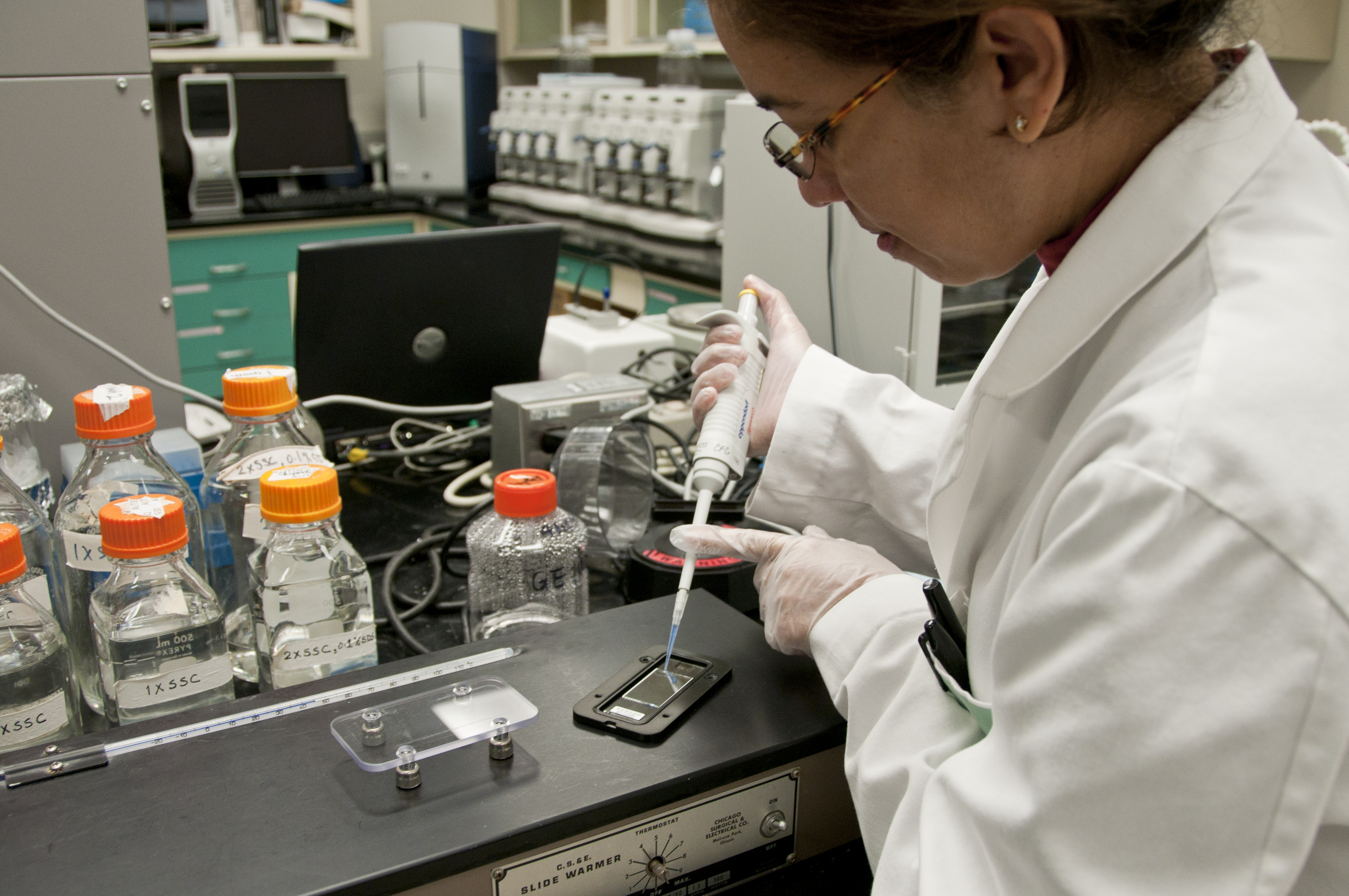
Toxicology studies function by exposing biological models—ranging from cell cultures to complex organisms—to varying concentrations of a substance to observe the resulting pathology. The process typically begins with in vitro assays using CRISPR-modified cell lines to identify immediate cellular damage or genetic mutations. If a substance passes these initial screens, it moves to in vivo testing, where researchers monitor for acute, sub-chronic, and chronic effects over periods ranging from 24 hours to two years. Key metrics derived include the LD50 (lethal dose for 50% of the population) and the NOAEL (No Observed Adverse Effect Level). Advanced techniques now utilize mass spectrometry to track how a chemical is metabolized and excreted, a process known as pharmacokinetics.
📊 Key Facts & Numbers
The scale of toxicology studies is reflected in the massive financial and logistical requirements of the pharmaceutical industry, where a single full battery of safety tests can cost upwards of $10 million. In 2023, the global toxicology testing market was valued at approximately $12.5 billion, with a projected compound annual growth rate of 6.5% through 2030. Regulatory agencies like the EPA manage databases containing toxicity data for over 85,000 chemicals currently in commerce. Standard chronic studies in rodents often involve groups of 50 animals per sex per dose level, totaling hundreds of subjects for a single compound. Furthermore, the European Union's REACH regulation has mandated the testing of over 30,000 existing substances to ensure environmental and human safety.
👥 Key People & Organizations
The landscape of toxicology is shaped by massive Contract Research Organizations (CROs) like Charles River Laboratories and Labcorp, which conduct the bulk of commercial testing. Influential figures include Bruce Ames, who developed the Ames Test at UC Berkeley to identify potential carcinogens using bacteria. On the regulatory side, the National Toxicology Program (NTP) in the United States serves as a primary authority for identifying environmental hazards. Organizations like PETA and the Center for Alternatives to Animal Testing (CAAT) at Johns Hopkins play a critical role in pushing the industry toward non-animal methodologies. These entities collectively define the ethical and technical boundaries of what is considered 'safe' in modern society.
🌍 Cultural Impact & Influence
Toxicology has a profound cultural footprint, often surfacing in the public consciousness through high-profile environmental disasters and legal battles. The work of Rachel Carson in her book 'Silent Spring' brought the toxicology of DDT to the mainstream, sparking the modern environmental movement. In popular media, the field is often romanticized or vilified, from the forensic toxicology seen in CSI to the corporate conspiracies depicted in films like Dark Waters. This cultural visibility has led to 'chemophobia,' a widespread public anxiety regarding synthetic chemicals, regardless of actual dosage or risk. Consequently, toxicology studies now influence not just policy, but also the marketing strategies of 'clean label' brands in the CPG sector.
⚡ Current State & Latest Developments
As of 2024, the field is undergoing a massive transition toward New Approach Methodologies (NAMs) that aim to reduce or replace animal testing. The FDA Modernization Act 2.0, signed into law in late 2022, officially removed the requirement for animal testing for new drug applications, allowing for data from organ-on-a-chip technology. Computational toxicology is also booming, with AI models from companies like Insilico Medicine predicting toxicity before a molecule is even synthesized. There is also an increasing focus on 'forever chemicals' like PFAS, with new studies emerging weekly regarding their bioaccumulation and endocrine-disrupting effects. These developments are forcing a re-evaluation of long-standing safety thresholds across the chemical industry.
🤔 Controversies & Debates
The most intense debate in toxicology centers on the validity of animal models in predicting human outcomes, with critics arguing that inter-species differences lead to high failure rates in clinical trials. Proponents of traditional methods argue that cell cultures cannot yet replicate the complex systemic interactions of a living circulatory and nervous system. Another flashpoint is the 'Low-Dose Hypothesis,' which suggests that some chemicals, particularly endocrine disruptors, may be more harmful at very low doses than at higher ones, challenging the Paracelsian 'dose makes the poison' dogma. There is also significant tension regarding the influence of industry-funded research on regulatory decisions, particularly concerning substances like glyphosate and BPA. These controversies often pit the WHO against national regulatory bodies in a battle over data interpretation.
🔮 Future Outlook & Predictions
The future of toxicology lies in the 'Toxicology 21' (Tox21) vision, a collaborative effort to shift from observation-based testing to mechanism-based prediction. By 2030, we expect to see the widespread adoption of digital twins—virtual human models that can simulate a lifetime of chemical exposure in seconds. The integration of multi-omics data will allow for 'precision toxicology,' where safety profiles are tailored to an individual's genetic makeup. We are also likely to see a global harmonization of testing standards, reducing the need for redundant studies across different jurisdictions. As synthetic biology creates entirely new classes of materials, toxicology will have to evolve rapidly to assess the risks of self-assembling nanostructures and bio-hybrid systems.
💡 Practical Applications
Practical applications of toxicology studies are found in every corner of modern life, from the forensic science used to solve crimes to the safety labels on household cleaners. In the pharmaceutical industry, these studies are the primary filter in the 'Valley of Death,' the phase where most drug candidates fail due to toxicity issues. Environmental toxicologists use these studies to set water quality standards and remediate Superfund sites contaminated by industrial waste. In the workplace, OSHA relies on toxicological data to establish Permissible Exposure Limits (PELs) to protect laborers from chronic illness. Even the food industry utilizes these studies to determine the safety of new additives and packaging materials that might leach chemicals into products.
Key Facts
- Year
- 1813
- Origin
- France
- Category
- science
- Type
- concept
Frequently Asked Questions
What is the difference between a toxin and a toxicant?
In formal toxicology, a toxin is a poisonous substance produced naturally by living organisms, such as the venom of a King Cobra or the ricin found in castor beans. A toxicant, conversely, refers to poisonous substances that are human-made or introduced into the environment by human activity, such as dioxins or industrial pesticides. While the terms are often used interchangeably in casual conversation, toxicologists maintain this distinction to categorize the origin of the chemical threat. Understanding the source is critical for developing antivenoms or environmental remediation strategies. Both, however, are studied using the same dose-response frameworks.
How is the LD50 of a substance determined?
The LD50, or Median Lethal Dose, is determined through controlled experiments where groups of animals are administered increasing doses of a substance until 50% of the test population dies. This metric, standardized in the early 20th century by J.W. Trevan, allows scientists to compare the relative toxicity of different chemicals on a standardized scale. For example, the LD50 of table salt is roughly 3,000 mg/kg, while the LD50 of Botulinum toxin is a staggering 1-3 nanograms per kilogram. Modern ethics have pushed the industry away from 'death as an endpoint' studies toward 'Fixed Dose Procedures' that minimize animal suffering. Despite its controversy, the LD50 remains a foundational data point in global safety data sheets.
Why does it take so long for a new drug to pass toxicology studies?
The timeline for toxicology testing is dictated by the need to observe long-term biological effects that don't manifest immediately, such as cancer or reproductive harm. A standard carcinogenicity study in rodents requires two years of continuous exposure to mimic a lifetime of human use, followed by months of histopathological analysis by experts. Before these long-term tests, researchers must complete acute and sub-chronic phases to ensure the drug doesn't cause organ failure or sudden death. Regulatory bodies like the FDA require this mountain of data to prevent disasters like the Thalidomide crisis of the 1950s. Consequently, the safety testing phase alone can account for 3-5 years of a drug's development cycle.
Can computer models replace animal testing in toxicology?
Computational toxicology, or in silico modeling, is rapidly advancing but cannot yet fully replicate the 'emergent properties' of a whole living organism. While AI can predict how a molecule might bind to a specific protein, it struggles to simulate how that molecule will be metabolized by the liver, filtered by the kidneys, and cross the blood-brain barrier simultaneously. However, the FDA Modernization Act 2.0 has signaled a shift toward accepting these models when they are validated against known data. Technologies like organ-on-a-chip are bridging the gap by providing complex human-cell environments. For now, the industry uses a 'weight of evidence' approach combining all available methods.
What are 'forever chemicals' and why are they a toxicology focus?
Forever chemicals, formally known as PFAS (per- and polyfluoroalkyl substances), are a class of synthetic chemicals that do not break down in the environment or the human body. Toxicologists are deeply concerned with these substances because they bioaccumulate, meaning their concentration increases in tissues over time, leading to potential endocrine disruption and immune system suppression. Studies by the NTP have linked PFAS exposure to various cancers and developmental issues in children. Because they are found in everything from non-stick cookware to firefighting foam, they represent a massive 'uncontrolled experiment' on the global population. Current research is focused on establishing safe parts-per-trillion limits in drinking water.
How do toxicologists determine 'safe' levels for human exposure?
Toxicologists determine safety levels by identifying the NOAEL (No Observed Adverse Effect Level) in animal studies and then applying 'uncertainty factors' to account for human variability. Typically, the NOAEL is divided by a factor of 100—10x to account for the difference between animals and humans, and another 10x to account for sensitive individuals like children or the elderly. This calculation results in the Reference Dose (RfD) or Acceptable Daily Intake (ADI), which is the amount a human can ingest daily without appreciable risk. These numbers are constantly revised as new data from epidemiology or high-throughput screening becomes available. It is a conservative process designed to err on the side of public safety.
What is the role of forensic toxicology in criminal investigations?
Forensic toxicology applies the principles of the science to legal matters, specifically identifying the presence of drugs, poisons, or alcohol in biological samples related to a crime or death. Experts in this field, such as those at the OCME, use gas chromatography to detect minute traces of substances in blood, hair, or vitreous humor. Their findings can determine if a victim was incapacitated, poisoned, or if a driver was impaired at the time of an accident. This sub-discipline gained massive public attention during the O.J. Simpson trial and the investigation into the death of Michael Jackson. It remains one of the most rigorous and scrutinized applications of toxicological science.