
Contents
Overview
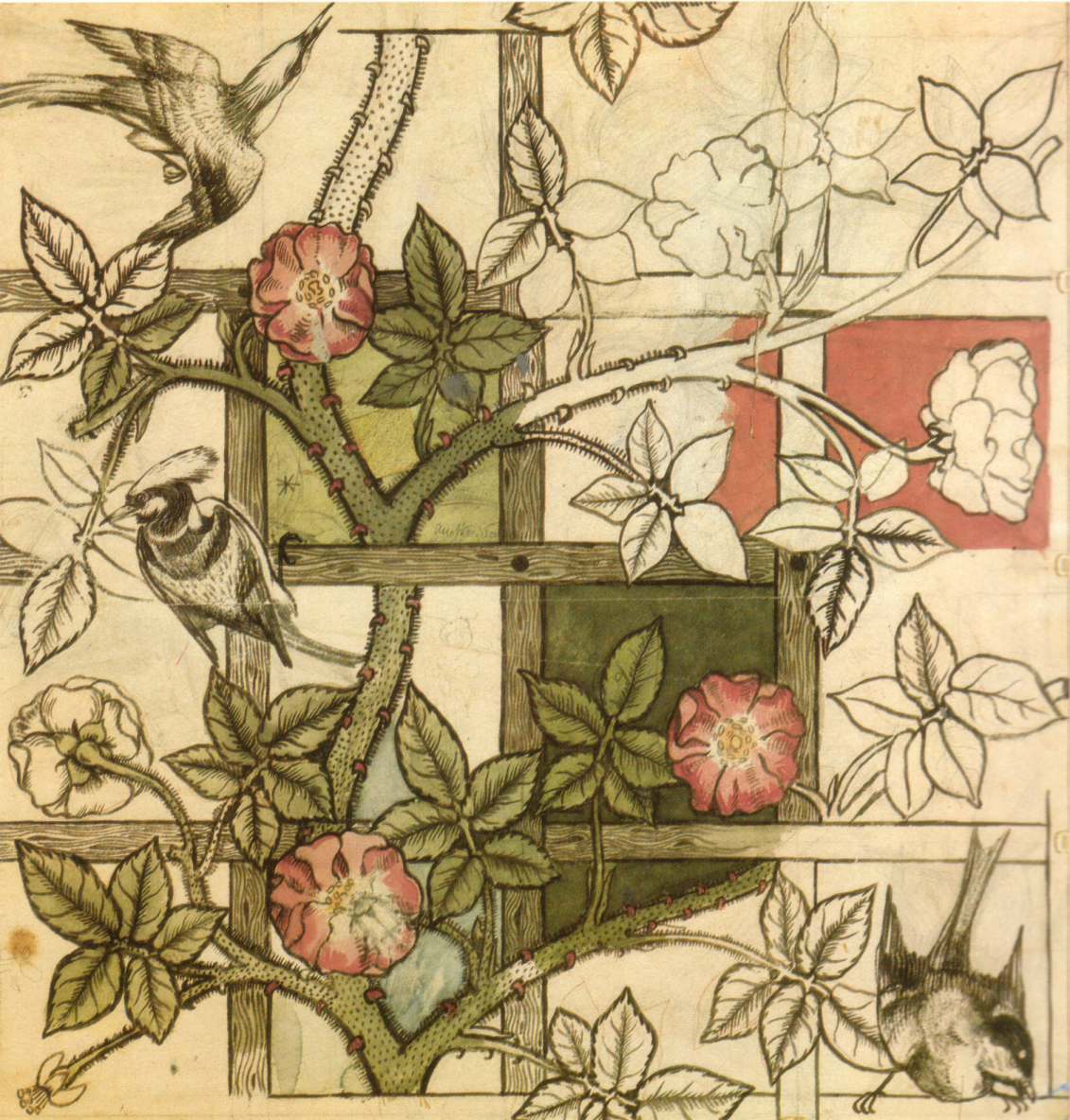
The roots of the Traditional Crafts Movement can be traced back to the mid-19th century, with the Arts and Crafts Movement in Britain serving as a pivotal precursor. Spearheaded by figures like William Morris, this initial wave reacted against the perceived decline in quality and artistry brought about by the Industrial Revolution, advocating for a return to hand-production and skilled craftsmanship. Similar sentiments emerged concurrently and subsequently in various forms across the globe, from the Folk Art Revival in the United States to the preservation of indigenous crafts in Australia, Africa, and Asia. These movements, though geographically dispersed, shared a common thread: a deep respect for traditional techniques, materials, and the cultural narratives embedded within handcrafted objects. The establishment of organizations like the Crafts Council in the UK (founded in 1971) and the American Craft Council (founded in 1940) formalized support and promotion for these artisanal practices, solidifying the movement's trajectory.
⚙️ How It Works
At its core, the Traditional Crafts Movement operates on principles of skill-based creation, material authenticity, and cultural continuity. Artisans engage in processes that often require years of dedicated practice to master, utilizing tools and techniques passed down through generations. This can involve everything from the meticulous carving of wood for furniture, as seen with dovetail joinery, to the intricate weaving of textiles using natural dyes, or the delicate shaping of clay for pottery and ceramics. The emphasis is on the 'maker's mark' – the unique imprint of the individual hand and mind on the object. Furthermore, the movement often champions the use of locally sourced, sustainable materials, contrasting sharply with the globalized supply chains of mass-produced goods. This approach not only preserves traditional knowledge but also fosters a deeper connection between the maker, the material, and the end-user, creating objects with inherent stories and value.
📊 Key Facts & Numbers
Globally, the traditional crafts sector is a significant economic force, though often underestimated. It is estimated that the global handicraft market is valued at over $700 billion annually, with a substantial portion attributed to traditional and artisanal products. In India alone, the handicraft sector employs an estimated 13 million people and contributes billions of dollars to the economy, with exports exceeding $5 billion in recent years. Similarly, the market for handmade textiles in Peru is a vital source of income for over 200,000 families. The number of artisans worldwide is difficult to quantify precisely but is believed to be in the hundreds of millions, representing a vast reservoir of specialized knowledge. For instance, the production of a single hand-knitted Aran sweater can involve over 20 hours of labor, a stark contrast to the minutes it takes to produce a machine-made garment.
👥 Key People & Organizations
Key figures and organizations are instrumental in driving the Traditional Crafts Movement. William Morris, a towering figure of the 19th century, laid much of the philosophical groundwork. In contemporary times, individuals like El Anatsui, a Ghanaian sculptor renowned for his bottle-cap tapestries, have brought global attention to contemporary craft. Organizations such as the World Crafts Council-International (WCC-I), founded in 1964, act as a global network promoting and advocating for craftspeople worldwide. Regional bodies like the Crafts Council in the UK and the American Craft Council in the US provide crucial support through exhibitions, funding, and educational programs. Initiatives like the UNESCO Intangible Cultural Heritage list also play a vital role in recognizing and safeguarding traditional crafts, with hundreds of practices inscribed globally.
🌍 Cultural Impact & Influence
The Traditional Crafts Movement has profoundly influenced global culture, shifting perceptions of value from mass-produced uniformity to unique, handcrafted authenticity. It has inspired designers and artists across disciplines, leading to the integration of artisanal techniques into contemporary fashion, interior design, and even technology. The rise of platforms like Etsy.com and Not On The High Street has democratized access to handcrafted goods, allowing small-scale artisans to reach a global customer base, generating an estimated $10 billion in annual sales for independent sellers. Furthermore, the movement has fostered a greater appreciation for cultural heritage, with many consumers actively seeking out products that reflect specific traditions and stories, thereby contributing to the economic viability of communities reliant on these skills. This has led to a resurgence of interest in heritage tourism centered around craft villages and workshops.
⚡ Current State & Latest Developments
The Traditional Crafts Movement is currently experiencing a dynamic period of growth and adaptation. In 2024, there's a noticeable surge in demand for bespoke and personalized items, with online marketplaces reporting a 20% year-over-year increase in sales of handmade goods. Artisans are increasingly leveraging digital tools, from 3D printing for prototyping to social media platforms like Instagram for marketing and community building, reaching audiences far beyond their local communities. Educational institutions are also responding, with a growing number of university craft programs seeing increased enrollment. Innovations in sustainable materials and techniques, such as the use of recycled glass in glassblowing or bio-resins in woodworking, are further pushing the boundaries of traditional craft. The global pandemic in 2020-2021 also saw a significant uptick in home-based craft activities and a renewed appreciation for tactile, handmade objects.
🤔 Controversies & Debates
The Traditional Crafts Movement is not without its controversies and debates. A primary tension lies between preservation and innovation: how much can a craft evolve before it loses its 'traditional' essence? Critics argue that some revival efforts can lead to commodification and the dilution of authentic cultural practices, turning sacred rituals into tourist trinkets. Another debate centers on the economic viability for artisans; while platforms like Etsy offer reach, many artisans struggle with fair pricing and competition from cheaper, mass-produced imitations. The question of 'authenticity' itself is also contested – who defines what is 'traditional' and who has the right to practice it? Furthermore, there are ongoing discussions about intellectual property rights for traditional designs, particularly concerning indigenous crafts that have been appropriated by larger corporations without benefit to the original communities.
🔮 Future Outlook & Predictions
The future of the Traditional Crafts Movement appears robust, driven by several key trends. Expect continued integration of technology, not to replace craft, but to augment it – think CNC-assisted carving for complex forms or AR experiences showcasing the making process. The focus on sustainability will intensify, with greater emphasis on circular economy principles and biodegradable materials. There's also a growing interest in 'slow living' and mindful consumption, which directly benefits handcrafted goods. We may see more collaborative models emerge, where artisans from different traditions or disciplines come together to create hybrid forms. By 2030, it's projected that the market for ethically sourced and handcrafted goods could grow by an additional 30%, driven by conscious consumerism and a desire for unique, meaningful objects. The challenge will be ensuring that this growth benefits the artisans themselves, rather than just intermediaries.
💡 Practical Applications
Practical applications of the Traditional Crafts Movement are widespread and diverse. In interior design, handcrafted furniture, textiles, and ceramics add unique character and warmth to spaces, moving away from sterile, mass-produced aesthetics. The fashion industry increasingly incorporates artisanal techniques like embroidery, weaving, and dyeing into high-end and ready-to-wear collec
Key Facts
- Category
- movements
- Type
- topic