
Contents
Overview
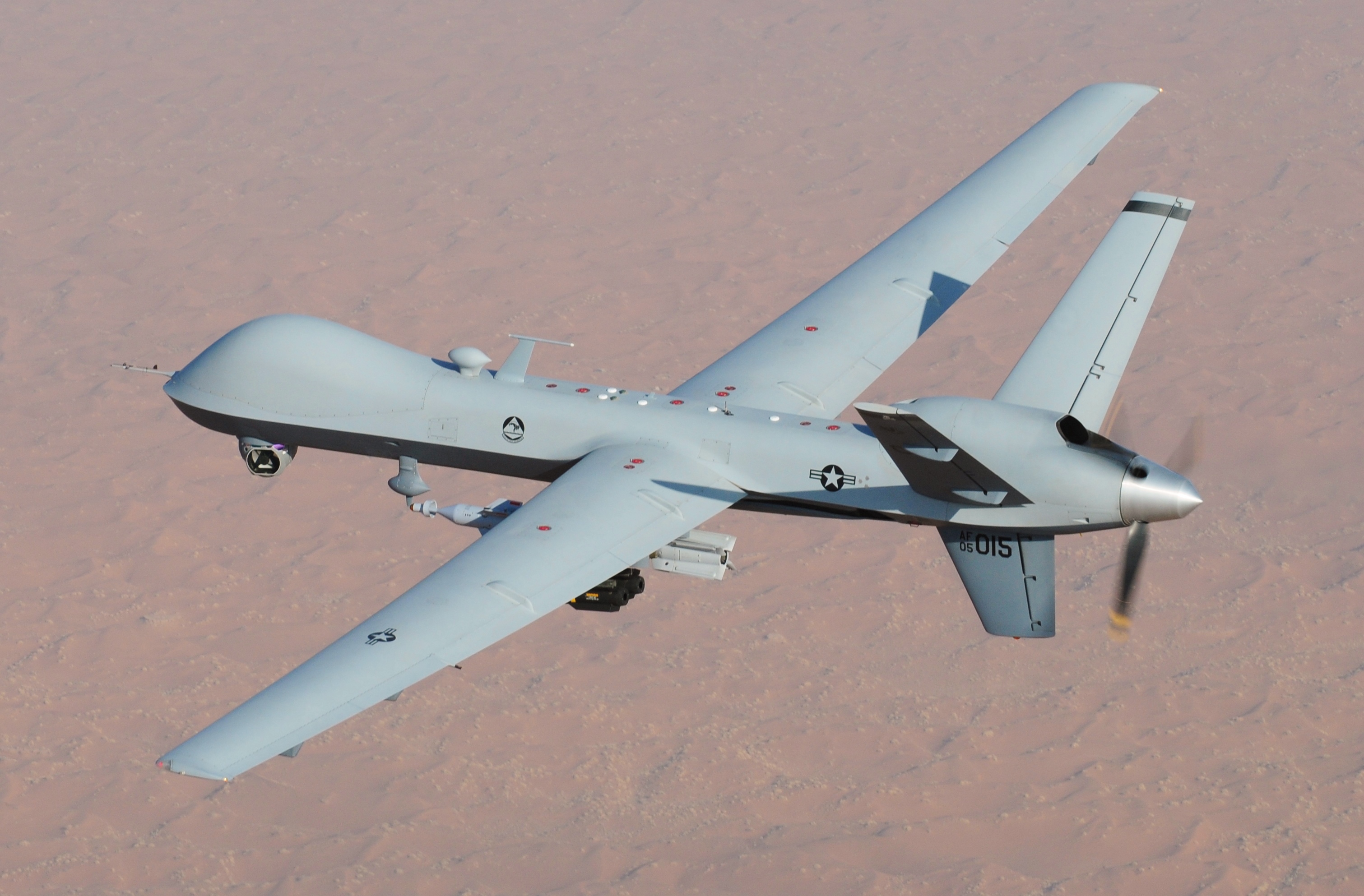
The British developed the Queen Bee target drone in the 1930s, a significant step in demonstrating the utility of radio-controlled aircraft for military training. Post-World War II, the Cold War spurred further development, particularly for reconnaissance missions. The U.S. military's Project CORONA utilized early reconnaissance UAVs to gather intelligence on the Soviet Union, marking a critical juncture in their strategic importance. The Israeli military's extensive use of UAVs in the Yom Kippur War (1973) and later conflicts, such as the Bekaa Valley campaign (1982), showcased their effectiveness in real-time battlefield surveillance, significantly influencing global military adoption. Companies like AeroVironment and General Atomics became pioneers in developing sophisticated military UAVs like the RQ-11 Raven and the MQ-1 Predator respectively, laying the groundwork for the modern drone era.
⚙️ How It Works
At its core, a UAV system comprises three main components: the air vehicle itself, the ground control station (GCS), and a data link. The air vehicle, or drone, is equipped with propulsion systems (typically electric motors or internal combustion engines), flight control surfaces, navigation systems (GPS, inertial navigation), and a payload, which can include cameras, sensors, or even weapons. The GCS is operated by a human pilot or mission commander and provides the interface for controlling the UAV, monitoring its status, and receiving data. The data link, often a secure radio frequency or satellite communication, transmits commands from the GCS to the UAV and relays sensor data back. Advanced UAVs also incorporate sophisticated onboard computers and algorithms for autonomous navigation, obstacle avoidance, and mission execution, allowing them to operate independently of constant human control, a capability exemplified by systems like Nvidia's Jetson platform for AI processing.
📊 Key Facts & Numbers
The global UAV market is experiencing explosive growth, with some estimates pushing towards $100 billion by 2030. Military applications still dominate, accounting for approximately 70% of the market share, with defense budgets worldwide allocating significant funds to drone procurement and development. However, the commercial sector is rapidly expanding, with the number of registered commercial drones in the U.S. alone surpassing 100,000 by 2023. The average cost of a commercial drone can range from a few hundred dollars for basic models to tens of thousands for advanced industrial units. In terms of flight capabilities, many consumer drones can achieve flight times of 20-30 minutes and operate within a line-of-sight range of several kilometers, while military-grade UAVs can stay airborne for over 24 hours and cover thousands of kilometers.
👥 Key People & Organizations
Key figures in the development and proliferation of UAV technology include Isaac Kaminer, a pioneer in the field of autonomous systems and a professor at Naval Postgraduate School. Brendan Shorb and Ryan Fuller co-founded 3D Robotics, an early leader in commercial drone manufacturing. Michael Calhoun has been instrumental in the development of advanced sensor payloads for UAVs at Lockheed Martin. Major organizations driving innovation include DARPA, which funds cutting-edge research, and companies like Parrot and DJI, which have democratized drone technology for consumers and professionals alike. The Association for Unmanned Vehicle Systems International (AUVSI) is a leading industry advocacy group.
🌍 Cultural Impact & Influence
UAVs have profoundly reshaped industries and captured the public imagination, moving from niche military tools to mainstream phenomena. Their ability to capture stunning aerial perspectives has revolutionized cinematography and photography, as seen in films and documentaries that showcase breathtaking vistas previously inaccessible. In agriculture, precision farming techniques enabled by drones, such as crop spraying and yield monitoring, are boosting efficiency and sustainability, a trend championed by companies like PrecisionHawk. The ubiquity of drones in popular culture, from hobbyist flying to competitive drone racing leagues like the Drone Racing League (DRL), reflects their growing cultural resonance. However, this widespread adoption also brings concerns about noise pollution and the potential for misuse, impacting public perception and regulatory frameworks.
⚡ Current State & Latest Developments
The current landscape of UAV technology is characterized by rapid advancements in artificial intelligence, miniaturization of sensors, and improvements in battery life and propulsion systems. The Federal Aviation Administration (FAA) in the U.S. continues to refine regulations for commercial drone operations, including rules for beyond-visual-line-of-sight (BVLOS) flights, which are crucial for widespread delivery services. Companies like Amazon Prime Air and Alphabet's Wing are actively testing and expanding drone delivery networks, aiming to make it a common reality. The integration of drones into national airspace systems (UAS Traffic Management or UTM) is a major focus, with ongoing development by organizations like NASA and One Sky Solutions to ensure safe and efficient operation alongside traditional aircraft. The emergence of electric vertical takeoff and landing (eVTOL) aircraft, often considered a larger class of UAV, is also gaining momentum for potential air taxi services.
🤔 Controversies & Debates
The integration of UAVs into civilian life is not without its controversies. Privacy concerns are paramount, with the widespread use of drones equipped with high-resolution cameras raising fears of unwarranted surveillance by both government entities and private individuals. The potential for drones to be weaponized, either by state actors or non-state groups, presents a significant security challenge, leading to the development of counter-drone technologies. Ethical debates also surround the use of autonomous weapons systems, where the decision to engage a target could be made by an AI without direct human intervention. Furthermore, the increasing number of drones in the air necessitates robust air traffic management systems to prevent mid-air collisions, a challenge that regulatory bodies like the European Union Aviation Safety Agency (EASA) are actively addressing.
🔮 Future Outlook & Predictions
The future of UAVs points towards greater autonomy, increased payload capacity, and seamless integration into diverse operational environments. Expect to see a significant expansion of drone delivery services for everything from medical supplies to consumer goods, potentially transforming logistics networks. The development of swarming technology, where multiple UAVs coordinate complex tasks autonomously, holds promise for applications ranging from search and rescue to large-scale infrastructure monitoring. The military will continue to leverage UAVs for increasingly sophisticated roles, including electronic warfare and swarm attacks. Furthermore, the convergence of UAV technology with other emerging fields like 5G connectivity and edge computing will unlock new capabilities, enabling real-time data processing and decision-making for fleets of drones operating in complex environments. The eventual widespread adoption of Urban Air Mobility (UAM) concepts, often utilizing large eVTOL UAVs, could redefine urban transportation.
💡 Practical Applications
UAVs have found practical applications across an astonishing range of sectors. In agriculture, they are used for crop spraying, soil analysis, and monitoring livestock, improving yields and reducing resource waste. Construction companies utilize drones for site surveys, progress monitoring, and safety inspections, providing detailed 3D models and
Key Facts
- Category
- technology
- Type
- topic