
Contents
Overview
Walking for fitness is the practice of using walking as a primary method for improving cardiovascular health, muscular strength, endurance, and overall well-being. Far from a passive stroll, it involves intentionality, often incorporating brisk paces, varied terrains, or specialized techniques like Nordic walking to maximize physiological benefits. Historically, walking was the default mode of human locomotion, but its deliberate application for health gained traction with the rise of organized fitness movements in the 19th and 20th centuries. Today, it's a globally accessible, low-impact exercise, recommended by health organizations like the World Health Organization for its broad applicability and minimal barriers to entry. Its simplicity belies its profound impact, with studies from institutions like the Harvard T.H. Chan School of Public Health consistently demonstrating its efficacy in preventing chronic diseases and enhancing mental health.
🎵 Origins & History
The human gait, a marvel of biomechanical engineering, has been the primary mode of transport and exploration for millennia. However, its conscious application as a structured fitness regimen is a more recent phenomenon. Early proponents of physical culture in the 18th and 19th centuries, such as Georg Gustav Fuhrmann in Germany and Per Henrik Ling in Sweden, emphasized movement for health, laying groundwork for later formalized exercises. The conscious application of walking for fitness gained traction with the rise of organized fitness movements in the 19th and 20th centuries. Dr. Kenneth H. Cooper championed cardiovascular exercise in his 1968 book "Aerobics." This era saw the emergence of walking clubs and organized "walkathons," transforming a basic human function into a deliberate health pursuit.
⚙️ How It Works
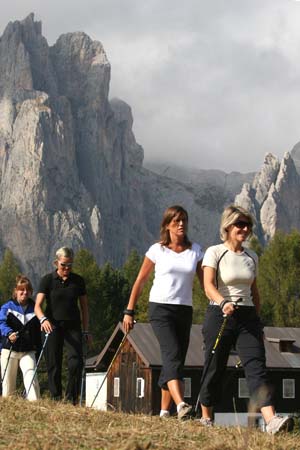
Walking for fitness engages the cardiovascular system, strengthening the heart and lungs, and improving blood circulation. It primarily utilizes the lower body muscles—quadriceps, hamstrings, glutes, and calves—but also engages core muscles for stability. The intensity can be modulated by speed, incline, and duration. Brisk walking, typically defined as moving at a pace where one can talk but not sing (around 3-4.5 miles per hour), elevates the heart rate into the target aerobic zone. Incorporating inclines, such as hills or treadmill settings, increases the workload and calorie expenditure. Techniques like Nordic walking, which uses poles, recruit upper body muscles, transforming it into a more comprehensive, full-body workout, as demonstrated by studies from institutions like the University of Jyväskylä.
📊 Key Facts & Numbers
Key figures in popularizing walking for fitness include Dr. Kenneth H. Cooper, whose "Aerobics" book (1968) championed cardiovascular exercise. Jacqueline Bruce, a cardiologist, was instrumental in advocating for walking as a primary intervention for heart health in the late 20th century. Organizations like the American Heart Association and the Centers for Disease Control and Prevention (CDC) consistently recommend walking as a cornerstone of public health. Nordic walking, specifically, was popularized by Mauri Repo and Seppo Linnamo in Finland in the 1970s and 1980s, with Tom Baxter and Marie Olsson later developing commercial programs in the 1990s. The World Health Organization also promotes walking as a key strategy for combating non-communicable diseases globally.
👥 Key People & Organizations
Walking's cultural resonance lies in its universality and accessibility. It's woven into the fabric of daily life in many cultures, from the morning commuters in Tokyo to the evening promenades in Paris. The "walkability" of cities has become a significant factor in urban planning and real estate, with neighborhoods like Greenwich Village in New York City often cited for their pedestrian-friendly design. Walking has inspired countless books, films, and artistic expressions, often symbolizing journeys of self-discovery or connection with nature. The "10,000 steps a day" goal, popularized by companies like Yamasa Corporation, has further embedded walking into modern wellness culture.
🌍 Cultural Impact & Influence
The current landscape of walking for fitness is dynamic, influenced by technology and evolving health trends. Wearable devices, from Apple Watch to Fitbit trackers, provide real-time data on steps, distance, and calorie burn, gamifying the experience for millions. Virtual walking groups and apps like Strava foster community and competition. There's a growing interest in "mindful walking" or "walking meditation," integrating mental well-being practices with physical activity. Furthermore, the pandemic accelerated the adoption of outdoor activities, with walking seeing a surge in participation as a safe and effective way to stay active. The development of specialized footwear and apparel continues to enhance comfort and performance for dedicated walkers.
⚡ Current State & Latest Developments
One persistent debate revolves around the optimal intensity and duration for walking to achieve specific health outcomes. While the general recommendation is 150 minutes of moderate-intensity aerobic activity per week (which brisk walking fulfills), some argue that this is insufficient for significant weight loss or advanced cardiovascular conditioning, advocating for higher intensity intervals or longer durations. Another controversy touches on the "10,000 steps" goal; while widely adopted, research suggests the health benefits plateau around 7,000-8,000 steps for some outcomes, leading to questions about the universal applicability of this specific target. The efficacy of Nordic walking over regular brisk walking is also debated, with some studies showing greater calorie expenditure and muscle activation, while others find marginal differences for general fitness.
🤔 Controversies & Debates
The future of walking for fitness is likely to be further integrated with technology and personalized health data. Expect more sophisticated wearables that track gait mechanics, posture, and even early signs of health issues. Augmented reality (AR) experiences could overlay virtual environments onto real-world walks, making them more engaging. Urban planning will increasingly prioritize "15-minute cities" and walkable communities, reducing reliance on cars. There's also potential for walking to be prescribed more formally as a therapeutic intervention for various chronic conditions, moving beyond general wellness advice. The integration of AI in fitness apps will offer increasingly tailored walking plans based on individual physiology and goals.
🔮 Future Outlook & Predictions
Walking for fitness is remarkably versatile. It's a primary recommendation for individuals managing Type 2 diabetes, hypertension, and obesity. It serves as a low-impact rehabilitation tool for those recovering from injuries or surgeries. For mental health, it's a proven mood booster, helping to alleviate symptoms of depression and anxiety, as explored in studies by The University of Exeter. Many companies offer corporate wellness programs that encourage employees to track their steps. Furthermore, walking tours are a significant component of the tourism industry, allowing people to explore new cities and cultures while staying active.
💡 Practical Applications
Walking is a foundational element of aerobic exercise and cardiovascular health. It's closely related to running and jogging, often serving as a precursor or recovery activity. The concept of mindfulness is increasingly integrated with walking, leading to practices like walking meditation. Understanding biomechanics is crucial for efficient and injury-free walking, linking it to fields like kinesiology.
Key Facts
- Category
- movements
- Type
- topic