
Contents
Overview
Winter fashion must-haves are the curated collection of garments and accessories designed to provide warmth, comfort, and style during the colder months. This category encompasses everything from heavy-duty outerwear like parkas and wool coats to insulating layers such as cashmere sweaters and thermal base layers. Essential accessories include scarves, gloves, and winter boots, all chosen for their functional and aesthetic contributions. The selection often balances practicality with current trends, drawing inspiration from historical winter wear and contemporary design innovations. Key considerations include material choice (e.g., merino wool, down insulation), color palettes (often rich jewel tones or classic neutrals), and silhouette (from oversized to streamlined). The global market for winter apparel is substantial, with major brands like Canada Goose and Moncler commanding significant market share, reflecting the enduring demand for stylish and functional cold-weather clothing.
🎵 Origins & History
The concept of 'winter fashion must-haves' is as old as humanity's need to survive cold climates, evolving from rudimentary animal skins and woven plant fibers into sophisticated garments. Early civilizations in colder regions, such as the Norse peoples, developed specialized knitwear and fur-lined cloaks for survival. The Renaissance saw the emergence of more elaborate outerwear for the aristocracy, with rich velvets and furs signifying status. The 19th century, with advancements in textile manufacturing and the rise of department stores like Harrods, made warmer, more varied clothing accessible to a wider population. The mid-20th century, particularly post-WWII, saw the popularization of iconic winter pieces like the duffle coat and the puffer jacket, influenced by military and outdoor gear.
⚙️ How It Works
Winter fashion must-haves function on a principle of layered insulation and material science. The core idea is to trap air, creating a barrier against the cold. Base layers, often made from merino wool or synthetic blends, wick moisture away from the skin. Mid-layers, such as fleece jackets or down vests, provide bulk insulation. The outer layer, typically a waterproof jacket or a heavy wool coat, protects against wind and precipitation. Material innovation is key; for instance, Gore-Tex technology offers breathability while maintaining water resistance. Accessories like cashmere scarves and felt hats fill gaps and prevent heat loss from extremities. The engineering behind these items focuses on maximizing warmth-to-weight ratio and durability, ensuring they perform under harsh conditions.
📊 Key Facts & Numbers
The global winter apparel market is a multi-billion dollar industry. The global coat market was valued at approximately $120 billion in 2023. Down jackets and parkas often retail between $200 and $1,000+, with luxury brands like Canada Goose and Moncler pushing prices even higher, sometimes exceeding $1,500 for a single piece. The demand for sustainable winter wear is also growing, with the eco-friendly apparel market expected to grow at a CAGR of 9.5% between 2024 and 2030. Consumers typically purchase 2-3 new winter items per season, with outerwear being the most frequent purchase, accounting for roughly 35% of seasonal apparel spending.
👥 Key People & Organizations
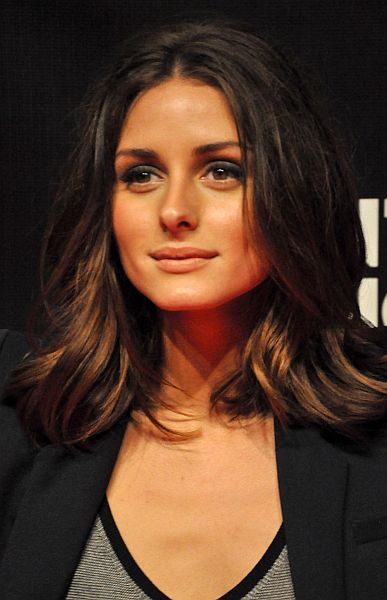
Key figures in winter fashion include designers who have defined iconic silhouettes and brands that have become synonymous with cold-weather gear. Yves Saint Laurent famously introduced the safari jacket and the pea coat into high fashion. Doug and Susie Tompkins, founders of The North Face and later Patagonia, revolutionized outdoor apparel with durable, functional designs. René Ramillon, founder of Moncler, elevated the quilted jacket from utilitarian gear to a luxury status symbol. Contemporary influencers like Olivia Palermo and Chiara Ferragni also play a significant role in dictating current trends and popularizing specific winter styles through social media platforms like Instagram.
🌍 Cultural Impact & Influence
Winter fashion must-haves have profoundly shaped cultural perceptions of comfort, resilience, and status. The puffer jacket, once purely functional, has been reinterpreted by designers like Demna Gvasalia at Balenciaga as a high-fashion statement. The enduring appeal of the Fair Isle sweater, originating from the Shetland Islands, speaks to a desire for heritage and craftsmanship. Winter clothing also influences cinematic portrayals, with iconic looks like Humphrey Bogart's trench coat in Casablanca or the stylish outerwear in films like The Devil Wears Prada embedding specific garments into collective memory. The rise of 'apres-ski' culture has further cemented the stylish skiwear and cozy knitwear as desirable fashion items, extending their wearability beyond the slopes.
⚡ Current State & Latest Developments
The current landscape of winter fashion is marked by a strong emphasis on sustainability and technological integration. Brands are increasingly using recycled materials, such as recycled polyester from plastic bottles, and innovative insulation derived from plant-based sources. 37.5 Technology, for example, uses volcanic minerals to enhance thermoregulation in fabrics. The trend towards 'gorpcore'—fashion inspired by outdoor and utilitarian clothing—continues to influence mainstream styles, bringing technical jackets and hiking boots into urban wardrobes. Furthermore, the integration of smart textiles, though still nascent, promises features like embedded heating elements and biometric tracking in future winter wear. The influence of social media continues to drive rapid trend cycles, with micro-trends in knitwear patterns and outerwear colors emerging and fading within a single season.
🤔 Controversies & Debates
A significant debate in winter fashion revolves around the ethics and environmental impact of materials like fur and down. While luxury brands like Gucci and Versace have moved towards fur-free policies, the debate over animal welfare persists. The production of synthetic materials, while often offering superior performance, contributes to microplastic pollution. The fast fashion cycle also exacerbates waste, with many low-cost winter items discarded after only a few seasons. Furthermore, the high cost of premium winter wear, particularly from brands like Canada Goose, raises questions about accessibility and class, leading to discussions about whether certain items are truly 'must-haves' for everyone or exclusive status symbols.
🔮 Future Outlook & Predictions
The future of winter fashion must-haves will likely be shaped by continued advancements in material science and a deeper commitment to circular economy principles. Expect to see more bio-engineered fabrics, self-healing materials, and garments designed for disassembly and recycling. The integration of wearable technology will become more seamless, offering personalized climate control and health monitoring. The 'rental' and 'resale' markets for high-value winter items are also poised for significant growth, challenging the traditional ownership model. Brands that successfully blend cutting-edge performance, genuine sustainability, and adaptable style will dominate, potentially leading to a more conscious and less wasteful approach to cold-weather dressing.
💡 Practical Applications
Winter fashion must-haves have practical applications far beyond aesthetic appeal. They are critical for outdoor workers in professions like construction, emergency services, and agriculture, where specialized gear ensures safety and productivity in extreme temperatures. For athletes, from Olympic skiers to recreational hikers, performance-oriented winter wear is essential for comfort and preventing hypothermia. In urban environments, these items enable people to comfortably navigate daily commutes, attend outdoor events, and enjoy winter activities. The principles behind insulating fabrics and weather-resistant designs also inform the development of protective gear for extreme environments, such as space exploration suits and deep-sea diving equipment, demonstrating the broad utility of winter apparel innovations.
Key Facts
- Category
- aesthetics
- Type
- topic