
Contents
- 🎵 Origins & History
- ⚙️ How It Works
- 📊 Key Facts & Numbers
- 👥 Key People & Organizations
- 🌍 Cultural Impact & Influence
- ⚡ Current State & Latest Developments
- 🤔 Controversies & Debates
- 🔮 Future Outlook & Predictions
- 💡 Practical Applications
- 📚 Related Topics & Deeper Reading
- Frequently Asked Questions
- References
- Related Topics
Overview
Youth culture refers to the societal norms, values, and practices of children, adolescents, and young adults, distinct from those of adults in the community. It encompasses various aspects such as fashion, music, sports, language, and relationships, with constantly evolving subcultures based on factors like race, ethnicity, and economic status. Youth culture has been a significant aspect of societal development, influencing and reflecting the values and attitudes of younger generations. With the rise of social media, youth culture has become more diverse and global, allowing for the exchange of ideas and trends across borders. According to some sources, youth culture is a key factor in shaping social identity. The concept of youth culture has been studied by various scholars, who have explored its relationship to consumerism, identity, and social change.
🎵 Origins & History
Youth culture is a complex and multifaceted phenomenon that has been shaped by a variety of factors, including social class, ethnicity, and geographic location. It is reportedly characterized by a distinct set of values, attitudes, and practices that are shared among young people. The music industry, for example, has long been a key driver of youth culture, with genres like hip-hop and electronic dance music (EDM) reflecting the values and attitudes of younger generations. Companies like Spotify and Apple Music have also played a significant role in shaping youth culture, providing platforms for young artists to reach a global audience.
⚙️ How It Works
Youth culture operates through a complex system of symbols, values, and practices that are shared among young people. It is shaped by a variety of factors, including social class, ethnicity, and geographic location. Young people are more likely to engage with brands that reflect their values and attitudes, highlighting the importance of authenticity in youth marketing.
📊 Key Facts & Numbers
Some key aspects of youth culture include its relationship to consumerism, identity, and social change. The rise of social media has allowed for the rapid exchange of ideas and trends, with platforms like TikTok and Instagram playing a significant role in shaping youth culture.
👥 Key People & Organizations
Key people and organizations involved in shaping youth culture include musicians, fashion designers, and social media influencers. These individuals have the power to shape the values and attitudes of younger generations, and have been known to challenge and subvert dominant cultural norms.
🌍 Cultural Impact & Influence
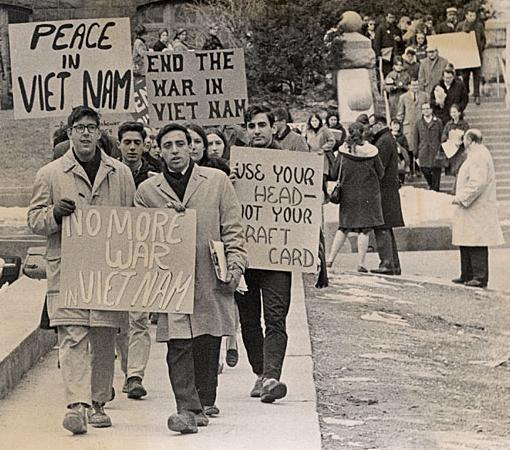
Youth culture has had a significant impact on society, influencing everything from fashion and music to politics and social attitudes. It has also been the subject of controversy and debate, with some critics arguing that it promotes consumerism and superficiality.
⚡ Current State & Latest Developments
Currently, youth culture is reportedly characterized by a high level of diversity and global connectivity, with social media platforms allowing for the rapid exchange of ideas and trends.
🤔 Controversies & Debates
Some of the controversies and debates surrounding youth culture include concerns about its impact on mental health, with some critics arguing that social media and consumerism are contributing to increased levels of anxiety and depression among young people.
🔮 Future Outlook & Predictions
Looking to the future, it is likely that youth culture will continue to evolve and diversify, with new technologies and social media platforms emerging to shape the values and attitudes of younger generations. The rise of virtual reality and augmented reality technologies may shape youth culture in the future, creating new forms of entertainment and social interaction among young people.
💡 Practical Applications
Youth culture has a number of practical applications, including marketing and advertising, where companies seek to tap into the values and attitudes of younger generations.
Key Facts
- Year
- 2020
- Origin
- Global
- Category
- culture
- Type
- concept
Frequently Asked Questions
What is youth culture?
Youth culture refers to the societal norms, values, and practices of children, adolescents, and young adults, distinct from those of adults in the community.