
Contents
- 📍 The Adirondack Park: A Wilderness Unlike Any Other
- 🗺️ Where Exactly Is This Giant Park?
- 🌲 What Kind of Nature Are We Talking About?
- 🏞️ Beyond the Trees: Lakes, Rivers, and Mountains
- 🚶♀️ Activities: From Zen to Adrenaline
- 🏠 Staying and Eating: Rustic Charm and Modern Comforts
- 🚗 Getting Around: The Road Less Traveled (and Others)
- 💡 Pro Tips for Your Adirondack Adventure
- ⚖️ The Adirondack Paradox: Preservation vs. Access
- 🌟 Vibe Score & Visitor Profile
- Frequently Asked Questions
- Related Topics
Overview
Adirondack Park, established in 1892, spans over 6 million acres in northeastern New York, making it the largest protected area in the contiguous United States. This vast expanse is not just a haven for outdoor enthusiasts but also a battleground for environmentalists, developers, and local communities. The park features a unique blend of public and private lands, leading to ongoing debates about conservation versus economic development. With over 2,000 miles of hiking trails and 3,000 lakes, the park attracts millions of visitors annually, raising questions about sustainability and the future of this iconic landscape.
📍 The Adirondack Park: A Wilderness Unlike Any Other
The Adirondack Park isn't just a park; it's a state-protected region in upstate New York, larger than Yellowstone, Yosemite, and the Grand Canyon National Parks combined. Established in 1892, it's a unique mosaic of public and private lands, governed by the Adirondack Park Agency (APA). This isn't your typical manicured national park; it's a wild, working landscape where communities, industries, and conservation efforts coexist, often with a healthy dose of tension. For anyone seeking genuine wilderness experiences without the crowds of more famous destinations, the Adirondacks offer an unparalleled escape.
🗺️ Where Exactly Is This Giant Park?
Geographically, the Adirondack Park is situated in northeastern New York, roughly bounded by Lake Champlain to the east, the Mohawk River Valley to the south, and the St. Lawrence River to the north. It encompasses all or parts of twelve counties, with its geographic center near the High Peaks region. Major gateways include Albany to the south, Plattsburgh to the north, and Utica to the west, making it accessible yet feeling worlds away from urban sprawl. Its sheer size means that 'getting there' can be a significant part of the adventure, often involving scenic drives through rolling hills and dense forests.
🌲 What Kind of Nature Are We Talking About?
The ecological heart of the Adirondacks is its vast boreal forest, dominated by spruce, fir, and northern hardwoods like maple and birch. This translates into breathtaking autumn foliage displays that draw visitors from across the globe. You'll find an incredible diversity of plant and animal life, including black bears, moose, deer, and a rich array of bird species. The park's commitment to preserving this natural heritage is evident in its strict land-use regulations, aiming to maintain the wild character that defines the region. This commitment is a cornerstone of the Adirondack Park's identity.
🏞️ Beyond the Trees: Lakes, Rivers, and Mountains
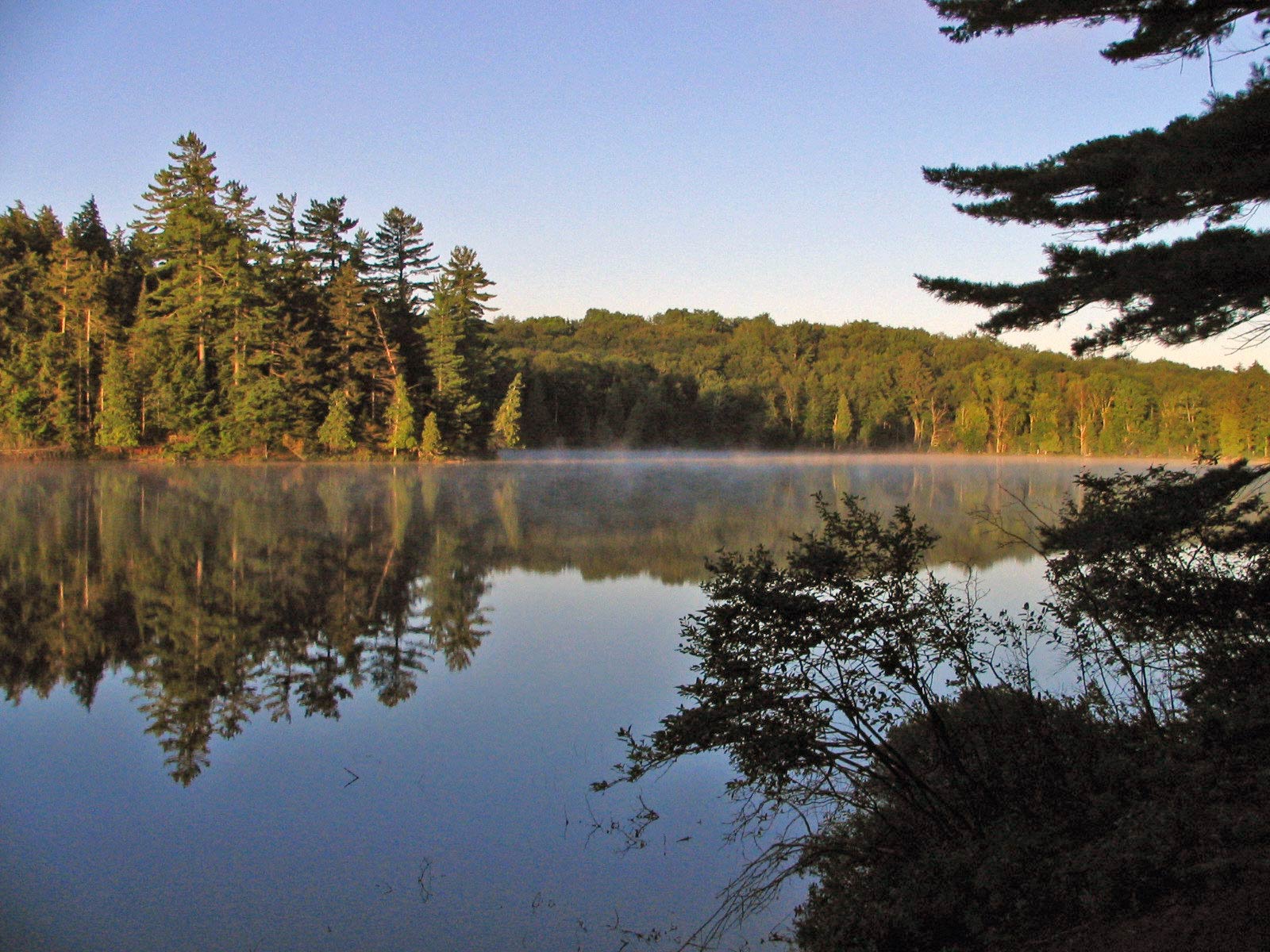
Water is as central to the Adirondack experience as the trees. The park boasts over 3,000 lakes and ponds, from the vast expanse of Lake George and Lake Champlain to countless smaller, pristine bodies of water accessible only by paddle or foot. Numerous rivers and streams carve through the landscape, offering opportunities for whitewater rafting, kayaking, and fly-fishing. Dominating the skyline are the Adirondack High Peaks, a cluster of 46 mountains over 4,000 feet, providing challenging hikes and panoramic vistas that are the stuff of legend among outdoor enthusiasts.
🚶♀️ Activities: From Zen to Adrenaline
Whether you're a seasoned mountaineer or a casual stroller, the Adirondacks have something for you. Hiking is paramount, with trails ranging from gentle lakeside paths to the demanding ascents of the High Peaks. Paddling on the myriad lakes and rivers is a quintessential experience, offering solitude and stunning scenery. In winter, the park transforms into a snow-covered wonderland for cross-country skiing, snowshoeing, and even ice climbing. For the more adventurous, there's rock climbing, mountain biking, and fishing, ensuring that boredom is rarely an option here.
🏠 Staying and Eating: Rustic Charm and Modern Comforts
Accommodation options in the Adirondack Park run the gamut from rustic campgrounds and lean-tos to charming B&Bs and upscale lodges. Towns like Lake Placid, Saranac Lake, and Old Forge offer a concentration of amenities, including restaurants serving everything from hearty diner fare to gourmet meals featuring local ingredients. Expect to find plenty of opportunities to sample Adirondack specialties like Adirondack maple syrup and freshly caught trout. Many establishments embrace the park's natural aesthetic, offering a cozy and authentic experience.
🚗 Getting Around: The Road Less Traveled (and Others)
Navigating the Adirondacks primarily involves a car, as public transportation is limited, especially outside the main villages. The park's road network includes major highways like I-87 (the Adirondack Northway) and numerous state routes that wind through the wilderness. Be prepared for slower speeds and potentially unpaved sections on more remote roads. For those seeking a truly immersive experience, exploring by canoe, kayak, or even on foot is highly recommended, allowing access to areas unreachable by vehicle.
💡 Pro Tips for Your Adirondack Adventure
When visiting the Adirondack Park, pack for variable weather, even in summer. Layers are your best friend. Always carry a map and compass (and know how to use them), as cell service can be spotty. Respect wildlife by keeping a safe distance and never feeding animals. Understand and adhere to Leave No Trace principles to help preserve this special place for future generations. If you plan to hike the High Peaks, be aware of the specific regulations and potential for overcrowding on popular trails.
⚖️ The Adirondack Paradox: Preservation vs. Access
The Adirondack Park is a living experiment in conservation and human habitation. Its creation was a response to rampant logging and environmental degradation, leading to the 'forever wild' clause in the New York State Constitution for Forest Preserve lands. Yet, this 'wildness' is punctuated by private homes, farms, and businesses, creating a constant negotiation between preservation and development. This inherent tension is a defining characteristic, shaping the park's unique character and ongoing debates about its future management and accessibility.
🌟 Vibe Score & Visitor Profile
The Adirondack Park boasts a Vibe Score of 85/100, resonating with a strong sense of rugged natural beauty and outdoor adventure. Its visitor profile is diverse, attracting dedicated hikers and paddlers seeking solitude, families looking for accessible nature experiences, and leaf-peepers in the fall. While it draws international acclaim, it retains a distinctively local, unpretentious feel compared to more commercialized natural destinations. The park's appeal lies in its vastness and the genuine wildness it offers, appealing to those who value authentic, untamed landscapes.
Key Facts
- Year
- 1892
- Origin
- New York, USA
- Category
- Geography/Nature
- Type
- Park
Frequently Asked Questions
Is Adirondack Park the same as Adirondack Mountains?
No, they are distinct. The Adirondack Mountains are the geological formation, while the Adirondack Park is a state-protected region within and around those mountains. The park encompasses a much larger area than just the mountain range itself, including numerous lakes, rivers, and forests.
What is the best time of year to visit Adirondack Park?
Each season offers a unique experience. Summer (June-August) is ideal for paddling and hiking, though it can be busy. Fall (September-October) is famous for its spectacular foliage. Winter (December-March) is perfect for snow sports, but many facilities close. Spring (April-May) is a transitional period, often muddy but less crowded.
Do I need a permit to hike in Adirondack Park?
Generally, no permit is required for day hiking on most trails within the Adirondack Park. However, overnight camping often requires permits, especially in designated areas or for backcountry sites. It's crucial to check the specific regulations for the area you plan to visit, particularly for the Adirondack High Peaks region.
Are there bears in Adirondack Park? What should I do?
Yes, black bears are common in the Adirondack Park. Always store food properly in bear-resistant canisters or hang it properly away from your campsite. Never feed bears, and make noise while hiking to avoid surprising them. If you encounter a bear, stay calm, do not run, and slowly back away.
What are the 'forever wild' lands?
The 'forever wild' designation applies to the New York State Forest Preserve lands within the Adirondack Park. This constitutional mandate, established in 1894, prohibits the sale, lease, or disposal of these lands and forbids their timber from being sold, removed, or destroyed. It's a cornerstone of the park's conservation ethos.
What is the difference between the Adirondack Park and Adirondack Mountains National Park?
There is no 'Adirondack Mountains National Park.' The Adirondack Park is a New York State park, not a federal National Park. Its governance and management are distinct from the National Park Service system, with the Adirondack Park Agency playing a key role in land-use regulation.