
Contents
- 🎵 Origins & History
- ⚙️ How It Works
- 📊 Key Facts & Numbers
- 👥 Key People & Organizations
- 🌍 Cultural Impact & Influence
- ⚡ Current State & Latest Developments
- 🤔 Controversies & Debates
- 🔮 Future Outlook & Predictions
- 💡 Practical Applications
- 📚 Related Topics & Deeper Reading
- Frequently Asked Questions
- References
- Related Topics
Overview
The genesis of aircraft design can be traced back to the earliest dreams of human flight, with foundational principles explored by figures like Leonardo da Vinci in the late 15th century. His detailed sketches of ornithopters and aerial screws, though never built, laid conceptual groundwork. The true dawn of practical aircraft design arrived in the late 19th and early 20th centuries, propelled by pioneers like Otto Lilienthal, whose systematic glider experiments from 1891 to 1896 provided crucial data on wing shapes and control. The Wright brothers famously built upon this knowledge, achieving sustained, controlled flight in their Wright Flyer on December 17, 1903, at Kitty Hawk, North Carolina. Early aviation was a chaotic, experimental period, with designers like Glenn Curtiss and Louis Blériot rapidly iterating on designs, leading to the first cross-channel flight in 1909. World War I then catalyzed rapid advancements, pushing designs towards greater speed, altitude, and armament, establishing the foundations for modern aerospace engineering.
⚙️ How It Works
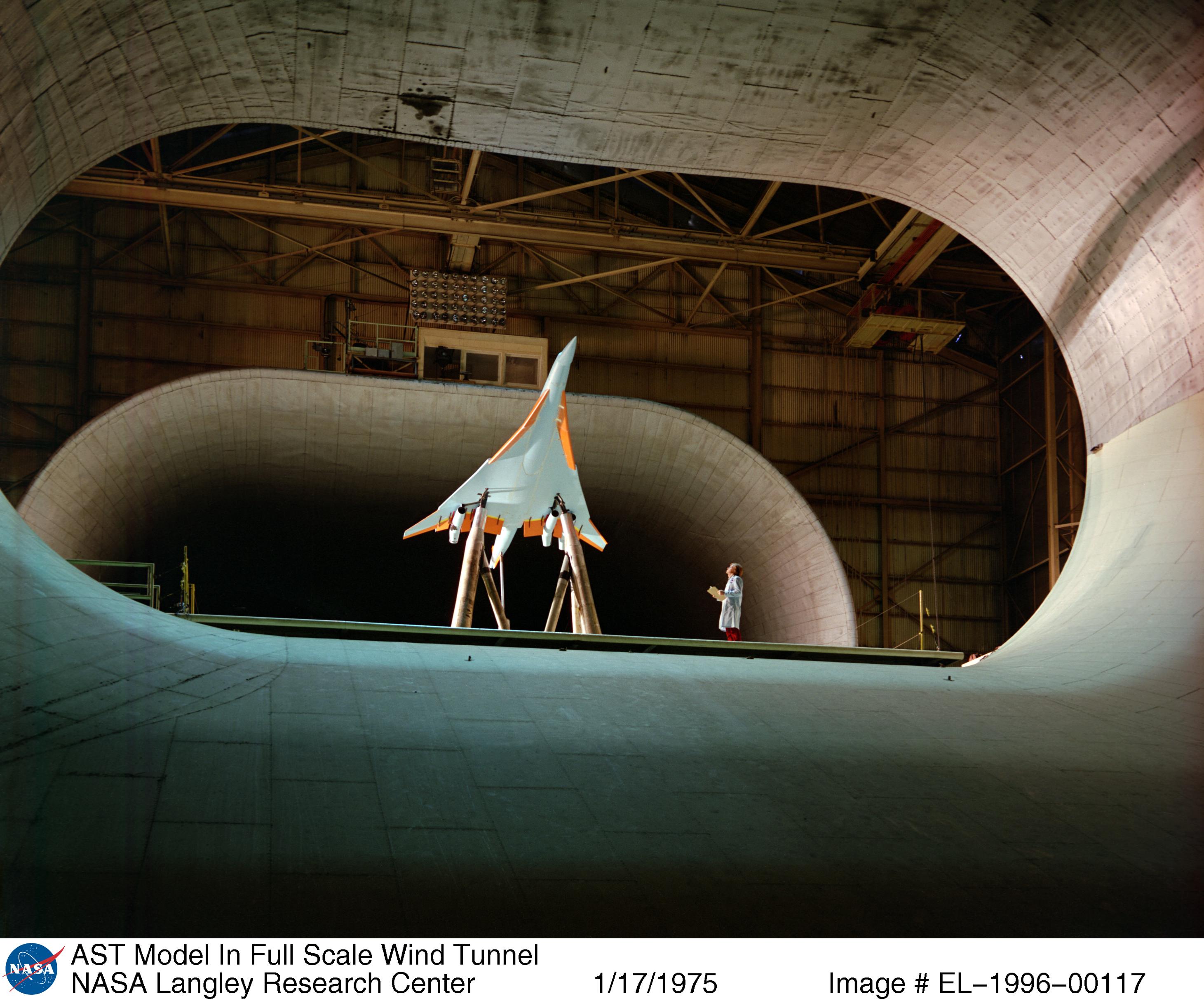
At its core, aircraft design is a multi-disciplinary, iterative process governed by the fundamental laws of physics, particularly aerodynamics, thermodynamics, and structural mechanics. The process typically begins with defining mission requirements – what the aircraft must do, its payload, range, and performance targets. Engineers then engage in conceptual design, exploring various configurations and trade-offs, often using computational fluid dynamics (CFD) and preliminary structural analysis. This is followed by preliminary and detailed design phases, where specific components like wings, fuselage, empennage, and propulsion systems are meticulously engineered. Extensive testing, including wind tunnel experiments and structural load tests, validates analytical predictions. For commercial aircraft, design processes are heavily regulated by bodies like the FAA and EASA, ensuring safety through stringent certification standards.
📊 Key Facts & Numbers
The global aerospace market, encompassing aircraft design and manufacturing, is a colossal industry, valued at over $800 billion annually as of 2023. A single modern airliner, like the Boeing 787 Dreamliner, can involve upwards of 3 million individual parts. The development cost for a new commercial jetliner can easily exceed $15 billion, with programs like the Airbus A380 reportedly costing over $25 billion. Fuel efficiency is a critical metric; a 1% improvement in fuel burn for a fleet of 100 long-haul aircraft can save tens of millions of dollars per year. The structural integrity of an aircraft wing must withstand loads many times its own weight, often exceeding 2.5g in normal flight conditions. The average commercial aircraft flies approximately 3,000 flight hours per year.
👥 Key People & Organizations
Key figures in aircraft design span inventors, engineers, and visionary leaders. Igor Sikorsky is credited with developing the first practical helicopter in 1939, revolutionizing vertical flight. Clarence 'Kelly' Johnson, head of Lockheed's Skunk Works, was instrumental in designing iconic aircraft like the U-2 spy plane and the SR-71 Blackbird. Burt Rutan is renowned for his innovative composite designs, including the Voyager that circumnavigated the globe non-stop. Major organizations like Boeing, Airbus, Lockheed Martin, and Embraer are at the forefront of commercial and military aircraft development, employing thousands of engineers and investing billions in R&D. The Royal Aeronautical Society and the AIAA are leading professional bodies that foster knowledge exchange and set standards.
🌍 Cultural Impact & Influence
Aircraft design has profoundly shaped global culture and connectivity. The advent of reliable air travel, a direct result of sophisticated design, has shrunk the world, enabling mass tourism, global commerce, and rapid humanitarian aid delivery. Iconic aircraft, from the Douglas DC-3 that democratized air travel to the supersonic Concorde that offered transoceanic flights in under four hours, have become symbols of human ingenuity and aspiration. Military aircraft designs have dictated the course of warfare, while the dream of personal flight continues to inspire new generations of designers and aviators. The aesthetic appeal of sleek, aerodynamic forms has also permeated art, architecture, and popular culture, influencing everything from car design to futuristic cityscapes.
⚡ Current State & Latest Developments
The current landscape of aircraft design is dominated by a push for greater efficiency, sustainability, and autonomy. Manufacturers are heavily investing in electric and hybrid-electric propulsion systems to reduce emissions and noise, with companies like Joby Aviation and Archer Aviation leading the charge in eVTOL aircraft for urban air mobility. Advanced materials, such as carbon fiber composites, are increasingly used to reduce weight and improve fuel economy. Artificial intelligence and machine learning are being integrated into design processes for optimization and predictive maintenance, while the development of hypersonic and supersonic passenger aircraft is being revisited by companies like Boom Supersonic. The drive towards Sustainable Aviation Fuels (SAFs) is also influencing engine and airframe design.
🤔 Controversies & Debates
Aircraft design is not without its controversies and debates. The pursuit of speed, particularly with supersonic passenger jets like Concorde, faced significant challenges related to sonic booms, environmental impact, and economic viability, leading to its retirement in 2003. The safety record of aircraft is a constant point of scrutiny; while remarkably high, any accident involving a commercial airliner triggers intense debate about design flaws, maintenance procedures, and regulatory oversight, as seen with the Boeing 737 MAX groundings. The environmental impact of aviation, particularly carbon emissions, remains a major point of contention, fueling debates about the pace of adopting cleaner technologies and the feasibility of achieving net-zero emissions targets by 2050. The ethical implications of autonomous flight systems and their potential impact on pilot roles also spark ongoing discussion.
🔮 Future Outlook & Predictions
The future of aircraft design points towards a radical transformation driven by sustainability and advanced technology. We can expect to see a proliferation of eVTOL aircraft for short-haul urban transport, potentially reshaping city infrastructure. Long-haul aviation will likely see hybrid-electric or hydrogen-powered aircraft emerge, drastically cutting emissions, though the infrastructure challenges are immense. Hypersonic travel for passengers, once relegated to science fiction, is being actively developed, promising travel times measured in hours, not days. The integration of AI will become even more pervasive, not only in design optimization but also in autonomous flight control and real-time performance management. The challenge will be to achieve these advancements while maintaining, and ideally improving, safety and affordability, ensuring that the benefits of flight remain accessible.
💡 Practical Applications
Aircraft design finds practical application across a vast spectrum of human endeavors. Commercial aviation, from cargo planes to passenger jets like the Boeing 777, forms the backbone of global logistics and travel. Military aircraft, including fighter jets like the F-22 Raptor, bombers, and transport planes, are critical for national defense and power projection. General aviation encompasses everything from small private planes and Cessna 172s used for training and recreation to business jets that facilitate corporate travel. Specialized aircraft are designed for roles such as aerial firefighting, agricultural spraying, scientific research (e.g., weather planes), and surveillance. The principles of aircraft design also influence the development of unmanned aerial vehicles (UAVs) or drones, which are increasingly used for photography, delivery, inspection, and military reconnaissance.
Key Facts
- Year
- 1903-present
- Origin
- Global
- Category
- technology
- Type
- concept
Frequently Asked Questions
What are the primary forces acting on an aircraft?
An aircraft in flight is subject to four primary forces: lift, which opposes gravity and keeps the aircraft airborne; weight, the force of gravity pulling the aircraft down; thrust, the forward force generated by the engines; and drag, the resistive force opposing motion through the air. Aircraft design aims to generate sufficient lift to overcome weight and sufficient thrust to overcome drag, enabling controlled flight. The balance and interplay of these forces, meticulously calculated and managed through aerodynamic shaping and propulsion system design, are fundamental to successful aircraft operation.
How does the design process ensure aircraft safety?
Aircraft safety is paramount and is ensured through a rigorous, multi-stage design and certification process. Regulatory bodies like the FAA and EASA set stringent standards that designers must meet. This involves extensive analysis using tools like CFD and finite element analysis, followed by physical testing in wind tunnels and on structural test rigs. Redundancy in critical systems, fail-safe design principles, and comprehensive flight testing are all integral. Even after certification, ongoing monitoring and incident investigations feed back into design improvements, as seen with the Boeing 737 MAX situation, which led to significant design and training revisions.
What role do materials play in modern aircraft design?
Materials science is critical to modern aircraft design, enabling lighter, stronger, and more fuel-efficient airframes. Historically, aircraft were built primarily from wood and fabric, then aluminum alloys. Today, advanced carbon fiber composites are widely used, offering a superior strength-to-weight ratio, which significantly reduces fuel consumption and increases payload capacity. Titanium and advanced aluminum-lithium alloys are also employed in specific high-stress areas. The choice of materials impacts not only structural integrity and weight but also manufacturing processes, maintenance requirements, and overall cost, making material selection a key design decision.
How are new aircraft designs tested before they fly?
Before a new aircraft design takes to the skies, it undergoes extensive testing. CFD simulations predict aerodynamic performance, while wind tunnel tests using scale models validate these predictions and refine wing shapes and control surfaces. Structural testing involves subjecting airframes and components to loads far exceeding those encountered in flight to verify their strength and fatigue life. Systems testing checks the functionality of avionics, hydraulics, and electrical systems. Finally, flight testing, conducted by experienced test pilots, evaluates the aircraft's handling characteristics, performance envelope, and system integration in real-world conditions, often over thousands of flight hours.
What is the biggest challenge facing aircraft designers today?
The most significant challenge facing aircraft designers today is achieving true environmental sustainability while maintaining economic viability and performance. The aviation industry is under immense pressure to reduce its carbon footprint, necessitating the development of new propulsion systems (electric, hybrid, hydrogen) and more efficient airframes. However, these technologies are often expensive to develop and implement, and the necessary infrastructure (e.g., charging stations, hydrogen refueling) is not yet in place. Balancing the urgent need for decarbonization with the practicalities of cost, safety, and global scalability represents the paramount challenge for the industry.
How can I learn more about becoming an aircraft designer?
To pursue a career in aircraft design, a strong foundation in STEM is essential. Typically, one would obtain a bachelor's degree in aeronautical engineering, mechanical engineering, or a related field from an accredited university. Advanced degrees (Master's or Ph.D.) are often beneficial for specialized roles. Gaining practical experience through internships at aerospace companies like Boeing, Airbus, or NASA is invaluable. Familiarity with design software such as CATIA, SolidWorks, and ANSYS for CFD and structural analysis is also crucial. Continuous learning and staying abreast of emerging technologies in materials, propulsion, and AI are key to a successful career.
What are the key trends shaping the future of aircraft design?
Several key trends are shaping the future of aircraft design. The most prominent is the drive for Sustainable Aviation Fuels (SAFs) and alternative propulsion, including electric and hybrid-electric systems, to meet environmental targets. The rise of eVTOL aircraft promises to revolutionize urban mobility. Increased automation and AI are leading towards more autonomous flight systems and optimized design processes. Furthermore, there's a renewed interest in hypersonic and supersonic travel, aiming to drastically reduce long-distance travel times. Finally, the use of advanced composite materials will continue to grow, enabling lighter and more aerodynamically efficient structures.