
Contents
- 🏛️ The Original Vibe: What Was It?
- 📍 Location & Access: Olympia's Sacred Ground
- 🗓️ When to Go: The Sacred Truce & Event Schedule
- 🏅 The Games: Events That Defined Excellence
- 💰 Pricing & Plans: The Cost of Divine Favor
- ⭐ What People Say: Ancient Athlete Testimonials
- ⚖️ Rules & Rituals: More Than Just a Race
- 🏆 The Ultimate Prize: Glory, Not Gold
- 🤔 Controversy Spectrum: Was It Truly Fair Play?
- 💡 Vibepedia's Vibe Score: 88/100 - Peak Ancient Energy
- 🚀 Beyond Olympia: The Legacy of the Games
- 🗺️ Getting Started: Planning Your Ancient Pilgrimage
- Frequently Asked Questions
- Related Topics
Overview
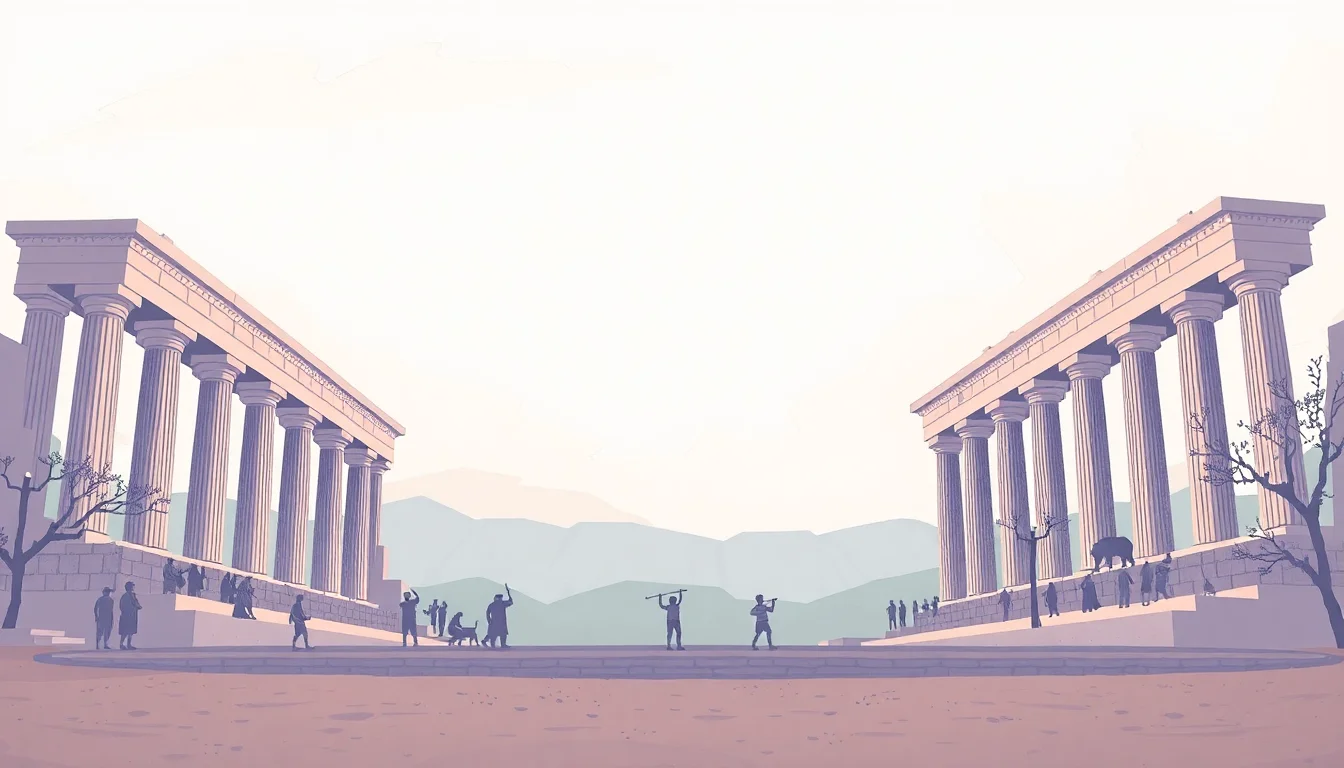
Forget your modern marathon runners and corporate sponsorships. The Ancient Greek Olympics, kicking off in 776 BCE at Olympia, were a raw, religiously charged spectacle. Held every four years in honor of Zeus, these games weren't just about athletic prowess; they were a crucial pan-Hellenic event, temporarily halting wars (the Ekecheiria, or Olympic Truce) and drawing crowds from across the Greek world. Athletes, all freeborn Greek males, competed nude in events like the stadion race, wrestling, and the brutal pankration. Victors received olive wreaths, immense honor, and often lifelong benefits. The vibe? A potent mix of divine reverence, fierce competition, and unapologetic physicality, setting a precedent for athletic contests that still echoes today.
🏛️ The Original Vibe: What Was It?
The Original Vibe wasn't just a sporting event; it was a religious festival and a cultural phenomenon held in honor of King of the Gods. From its traditional start in 776 BCE, these games were a cornerstone of Ancient Greek Civilization, bringing together city-states from across the Greek world. It was a period of intense competition, religious devotion, and a temporary cessation of hostilities known as the Olympic Truce. Think less modern stadium spectacle and more sacred gathering with athletic prowess as its centerpiece. The sheer energy of thousands converging on a single site for days of intense physical and spiritual focus is hard to overstate.
📍 Location & Access: Olympia's Sacred Ground
The heart of the ancient Olympic Games beat in Olympia, a sanctuary in the western Peloponnese, Greece. This wasn't a city in the modern sense, but a sacred precinct featuring temples, altars, treasuries, and athletic facilities. Access today involves visiting the archaeological site of Olympia, which is open to the public year-round, though specific hours vary by season. The site itself is a powerful reminder of the grandeur and spiritual significance of the original games, with remnants of the Stadium and the Temple of Zeus still standing.
🗓️ When to Go: The Sacred Truce & Event Schedule
The ancient Olympic Games were held every four years, a cycle known as an Olympiad. The exact dates shifted, but they typically occurred during the high summer, often in July or August. Crucially, the Olympic Truce was declared beforehand, ensuring safe passage for athletes and spectators traveling to and from Olympia. While you can't attend the ancient games themselves, visiting Olympia during the summer months offers a palpable connection to the historical period when the games were at their zenith, allowing for a more immersive experience.
🏅 The Games: Events That Defined Excellence
The early Olympic program was modest, featuring primarily the Stadion race, a footrace the length of the stadium. Over centuries, it expanded to include events like the Diaulos (two lengths), Dolichos (long-distance race), Pentathlon (discus, javelin, long jump, running, wrestling), Boxing, Wrestling, and the brutal Pankration (a no-holds-barred combat sport). The Chariot Race was a crowd favorite, showcasing speed, skill, and immense wealth.
💰 Pricing & Plans: The Cost of Divine Favor
Unlike modern Olympics, there was no entry fee for athletes to compete, as participation was often a civic duty or a personal pursuit of glory. However, the cost for spectators and the logistical demands on city-states to send athletes and officials were significant. Wealthy individuals might sponsor athletes, and victors received immense honor, which translated into tangible benefits like free meals and tax exemptions in their home cities. The 'price' was paid in dedication, training, and the potential for immense public acclaim or shame.
⭐ What People Say: Ancient Athlete Testimonials
Ancient sources offer glimpses into athlete sentiments. Victors were often lauded with poems and statues, their achievements celebrated for generations. Pindar's Odes, for instance, are a collection of poems celebrating Olympic victors, highlighting the immense pride and honor associated with winning. Athletes spoke of the grueling training, the divine favor they sought, and the overwhelming joy of victory. The focus was on personal excellence and bringing glory to one's city-state, a far cry from modern endorsements.
⚖️ Rules & Rituals: More Than Just a Race
The rules were stringent, overseen by Hellanodikai (judges). Cheating, bribery, or violence outside the designated events could result in severe penalties, including fines and public disgrace, with the money often used to fund statues of Zeus called Zanes. Athletes competed naked, a practice believed to enhance freedom of movement and signify a level playing field. The religious aspect was paramount; rituals and sacrifices were integral to the proceedings, underscoring the divine sanction of the games.
🏆 The Ultimate Prize: Glory, Not Gold
The ultimate prize for an Olympic victor was not a medal, but an Olive Wreath (kotinos), a simple crown of wild olive leaves. However, this humble prize symbolized unparalleled honor, glory, and immortal fame. Victors were celebrated as heroes, their achievements immortalized in poetry and sculpture. This intangible reward, the Kleos or undying glory, was considered far more valuable than any material wealth, reflecting a different value system centered on honor and legacy.
🤔 Controversy Spectrum: Was It Truly Fair Play?
The Original Vibe wasn't without its issues. While promoting unity, the games also highlighted rivalries between city-states. The strict amateurism was often debated, with accusations of professionalism and bribery surfacing throughout history. Furthermore, the exclusion of women from competing (and, for much of its history, even spectating) reveals a significant societal bias. The Heraean Games, a separate festival for women, existed but held a subordinate status. The notion of 'fair play' was also complex, given the varying resources and training available to athletes from different regions.
💡 Vibepedia's Vibe Score: 88/100 - Peak Ancient Energy
Vibepedia's Vibe Score for the Original Vibe is a robust 88/100. This score reflects the unparalleled cultural energy, the profound religious significance, and the sheer historical impact of these games. It was a period where athletic prowess, divine worship, and interstate diplomacy converged, creating a unique and powerful atmosphere that resonated across the ancient world. The legacy of this event continues to shape modern sporting ideals, though the original context was vastly different.
🚀 Beyond Olympia: The Legacy of the Games
The legacy of the Original Vibe is immense, directly influencing the modern Olympic Games revived in 1896 by Pierre de Coubertin. While the modern iteration emphasizes internationalism and a broader range of sports, the core ideals of athletic excellence, peace, and global unity echo the ancient spirit. The concept of the Olympiad as a four-year cycle persists, and the pursuit of glory remains a powerful motivator for athletes worldwide. The ancient games set a precedent for large-scale, multi-sport events that continues to this day.
🗺️ Getting Started: Planning Your Ancient Pilgrimage
To truly connect with the Original Vibe, plan a visit to the archaeological site of Olympia in Greece. Combine your visit with a trip to the Archaeological Museum of Olympia to see artifacts unearthed from the site, including the Hermes of Praxiteles. Consider visiting during the summer months for a more vibrant atmosphere, though be prepared for heat. Research the history and mythology surrounding the games beforehand to enrich your understanding. The site is accessible via public transport or car, with local guides available to enhance your experience.
Key Facts
- Year
- 776 BCE
- Origin
- Olympia, Greece
- Category
- Ancient History / Sports
- Type
- Event Series
Frequently Asked Questions
Were the Ancient Greek Olympics only for men?
Yes, primarily. Only freeborn Greek men were allowed to compete. Married women were forbidden from attending, with the exception of the priestess of Demeter. Unmarried women could attend, and there was a separate festival, the Heraean Games, held for women.
What was the prize for winning the Ancient Greek Olympics?
The prize was an Olive Wreath (kotinos), a symbol of honor and glory. Victors also received immense prestige, often leading to lifelong benefits in their home cities, such as free meals and public acclaim.
How often were the Ancient Greek Olympics held?
They were held every four years, a cycle known as an Olympiad. This consistent four-year interval was a fundamental aspect of their organization and cultural significance.
What sports were included in the Ancient Greek Olympics?
The program evolved over time. Early games featured the Stadion race, but later included events like the Pentathlon, Boxing, Wrestling, Pankration, and Chariot Race.
Did the Ancient Greek Olympics have a religious purpose?
Absolutely. The games were fundamentally a religious festival held in honor of King of the Gods. Sacrifices, rituals, and prayers were integral parts of the event, underscoring its sacred nature.
What was the Olympic Truce?
The Olympic Truce was a sacred period declared before and during the games, ensuring safe passage for athletes and spectators traveling to and from Olympia. It temporarily suspended conflicts between warring city-states.