
Contents
Overview
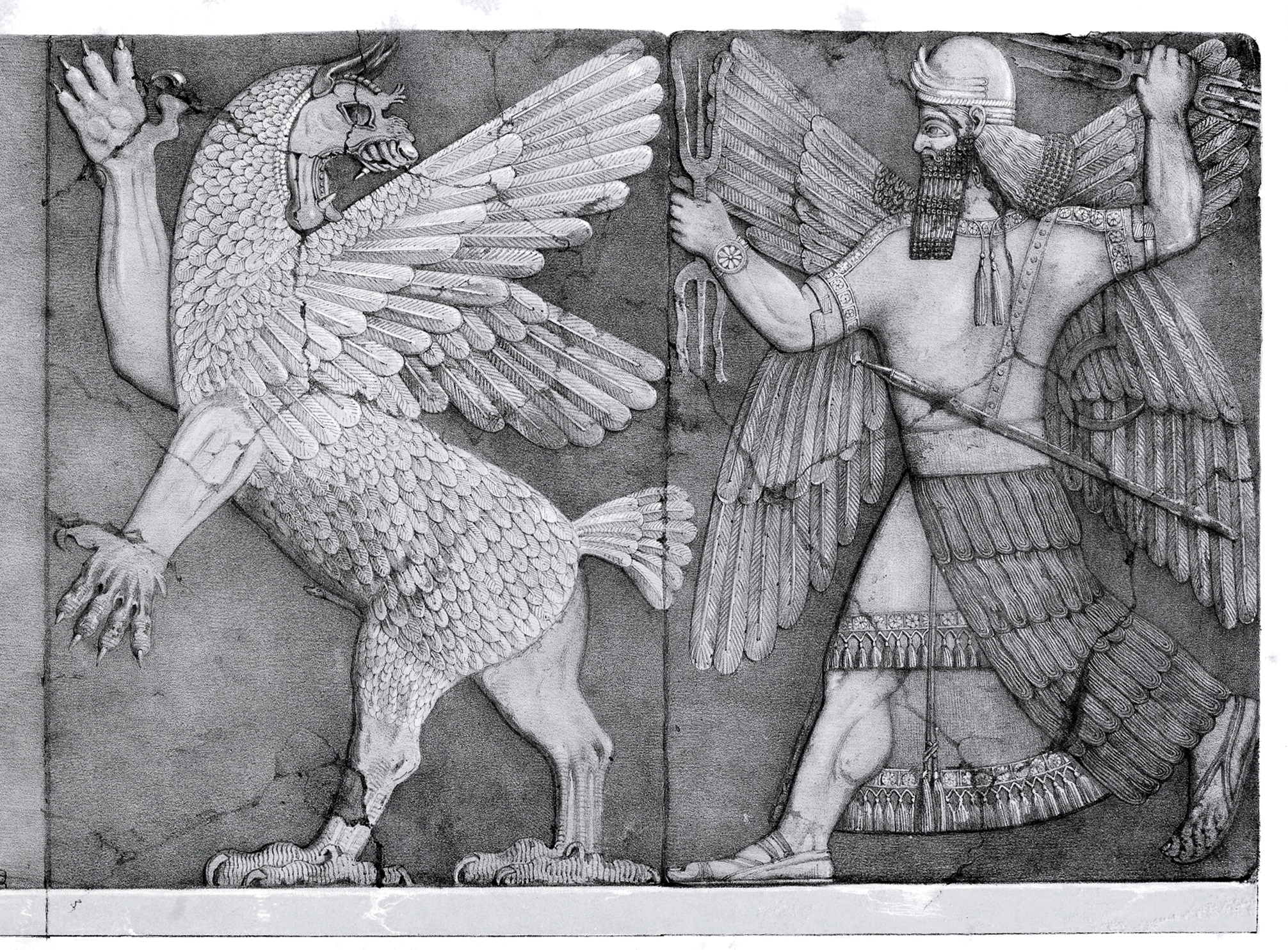
The genesis of Assyriology as a formal discipline can be traced to the mid-19th century, fueled by burgeoning European imperial ambitions and a romantic fascination with biblical lands. Early excavations, notably at sites like Nineveh and Nimrud by figures such as Austen Henry Layard and Paul-Émile Botta, unearthed vast quantities of cuneiform tablets. The decipherment of cuneiform, a monumental task spearheaded by scholars like Henry Rawlinson with his work on the Behistun Inscription, unlocked the languages and histories of ancient Assyria and Babylonia. This period saw the establishment of major museum collections, such as those at the British Museum and the Louvre, which became crucial centers for the study and preservation of Mesopotamian heritage.
⚙️ How It Works
At its core, Assyriology functions by meticulously excavating archaeological sites, carefully preserving and cataloging the unearthed artifacts, particularly the ubiquitous clay tablets inscribed with cuneiform script. Linguists and philologists then work to decipher these texts, which range from royal inscriptions and administrative records to literary works and personal letters. These textual analyses are integrated with archaeological evidence—pottery, architecture, and burial sites—to reconstruct the social, political, economic, and religious life of ancient Mesopotamian societies. The process is inherently interdisciplinary, requiring expertise in ancient languages, archaeology, history, and sometimes even geology for understanding artifact provenance.
📊 Key Facts & Numbers
The sheer scale of preserved cuneiform material is staggering: hundreds of thousands of tablets have been discovered. The Sumerian King List, for instance, chronicles rulers from antiquity. The Library of Ashurbanipal yielded approximately 30,000 tablets, offering a comprehensive snapshot of Assyrian knowledge and literature.
👥 Key People & Organizations
Key figures in Assyriology include Henry Rawlinson, whose decipherment of Old Persian cuneiform was pivotal; George Smith, who famously identified the Epic of Gilgamesh tablet containing a flood narrative that predated the biblical account; and Jean-Jacques Glassner, a contemporary scholar known for his comprehensive histories of Mesopotamia. Major institutions driving the field include the Oriental Institute of the University of Chicago, the Max Planck Institute for the History of Science, and the University of Pennsylvania Museum.
🌍 Cultural Impact & Influence
Assyriology has profoundly shaped our understanding of human civilization, revealing the world's earliest known examples of law codes (like the Code of Hammurabi), urbanism, and complex state structures. Its discoveries have often resonated with biblical narratives, sparking both scholarly debate and public interest, as seen with George Smith's discovery of the Great Flood tablet. The field's influence extends to modern linguistics, comparative mythology, and the study of ancient economies, providing foundational knowledge for understanding the trajectory of human societal development.
⚡ Current State & Latest Developments
The field is currently experiencing a renaissance driven by digital humanities and computational linguistics. Projects like the Cuneiform Digital Library Initiative are creating vast, searchable online databases of cuneiform texts, making them accessible to a global audience. Advances in imaging technology, such as 3D scanning, allow for more detailed analysis of tablets, even those too fragile to handle. Furthermore, new archaeological discoveries continue to emerge, particularly in regions like Syria and Iraq, promising to expand our knowledge base and refine existing theories about Mesopotamian history and culture.
🤔 Controversies & Debates
One persistent controversy revolves around the provenance and repatriation of Mesopotamian artifacts, particularly those held in Western museums. The ethics of 19th-century excavations, often conducted with little regard for local ownership or preservation, remain a point of contention. Debates also persist regarding the interpretation of certain texts, the precise dating of historical periods, and the extent to which cuneiform sources reflect actual historical events versus idealized narratives. The role of Neo-Assyrian propaganda in royal inscriptions, for example, is a subject of ongoing scholarly discussion.
🔮 Future Outlook & Predictions
The future of Assyriology appears increasingly digital and collaborative. Expect further development of AI-powered tools for cuneiform decipherment and translation, potentially accelerating the processing of vast textual archives. The integration of big data analytics will likely reveal new patterns in economic, social, and political history. Furthermore, as archaeological fieldwork continues in the Near East, we can anticipate the discovery of new sites and texts that will undoubtedly challenge and refine our current understanding of Mesopotamian civilizations, potentially pushing back the known timelines for key innovations.
💡 Practical Applications
Assyriology's findings have direct practical applications in fields ranging from historical linguistics to comparative law. The study of ancient Mesopotamian administrative systems informs our understanding of early bureaucracy and economic management. The decipherment of legal texts provides crucial context for the development of legal thought and jurisprudence. Moreover, the preservation and study of these ancient texts contribute to the broader cultural heritage of humanity, offering insights into the origins of writing, literature, and complex social organization, which are invaluable for educational purposes and public understanding of history.
Key Facts
- Category
- history
- Type
- topic