
Contents
- 🌄 Introduction to Desert Zones
- 🏜️ Geography and Climate of Deserts
- 🌵 Unique Ecosystems of Desert Zones
- 🐫 Adaptation and Survival in Deserts
- 🌊 Desertification and Its Consequences
- 🏃♂️ Human Exploration and Settlement in Deserts
- 🚧 Desert Infrastructure and Development
- 🌟 Desert Tourism and Cultural Significance
- 📊 Desertification and Climate Change
- 👥 Conservation Efforts in Desert Zones
- 🔍 Research and Exploration in Desert Zones
- Frequently Asked Questions
- Related Topics
Overview
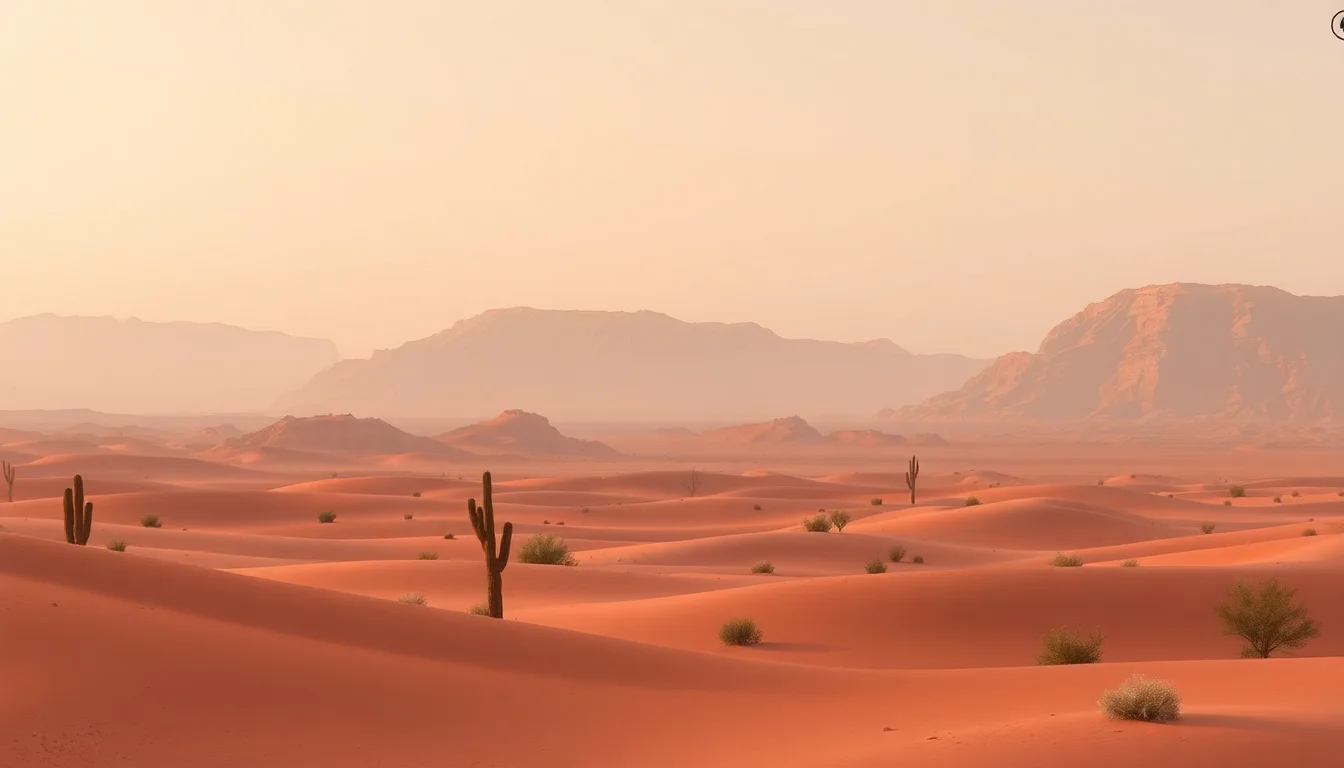
The desert zone, covering about one-third of the Earth's land surface, is a realm of extremes where temperatures soar and water is scarce. From the Sahara's endless dunes to the Mojave's unique rock formations, these arid regions are home to a surprising array of flora and fauna that have adapted to survive in the harshest conditions. With a vibe score of 8, the desert zone is a place of breathtaking beauty and hidden wonders, attracting adventurers, scientists, and spiritual seekers alike. However, it is also a region of intense controversy, with debates raging over issues like desertification, climate change, and the impact of human activity on these fragile ecosystems. As we look to the future, the desert zone will play a critical role in shaping our understanding of the planet and its resources, with potential breakthroughs in renewable energy, water management, and sustainable development. With its unique blend of natural beauty, scientific significance, and cultural resonance, the desert zone is an entity that will continue to fascinate and challenge us in the years to come, with key players like the Desert Research Institute and the International Union for Conservation of Nature leading the charge.
🌄 Introduction to Desert Zones
The desert zone, covering about one-third of the Earth's land surface, is a realm of extremes, where temperatures can soar during the day and plummet at night. Deserts are often associated with desertification, a process where fertile land becomes dry and barren. However, deserts are also home to unique and adapted ecosystems, such as the cactus and the camel. The desert zone is not just a geographical feature, but also a cultural and historical phenomenon, with many ancient civilizations, such as the Egyptians and the Mesopotamians, thriving in these regions. The study of deserts is a multidisciplinary field, involving geology, ecology, and anthropology.
🏜️ Geography and Climate of Deserts
The geography and climate of deserts are characterized by extreme temperatures, low humidity, and limited precipitation. Deserts can be found on every continent, from the Sahara in Africa to the Mojave in North America. The unique combination of geological and climatic factors in deserts has led to the formation of distinctive landforms, such as sand dunes and oases. Deserts are also home to a variety of mineral resources, including copper, gold, and uranium. The climate of deserts is often harsh and unpredictable, with sudden sandstorms and extreme temperature fluctuations. Understanding the geography and climate of deserts is essential for desert exploration and desert settlement.
🌵 Unique Ecosystems of Desert Zones
The ecosystems of desert zones are unique and adapted to the extreme conditions. Desert plants, such as the succulent and the cactus, have evolved to store water and protect themselves from the harsh conditions. Desert animals, such as the camel and the scorpion, have also developed specialized adaptations to survive in these environments. The food chain in deserts is often simple and fragile, with few species able to survive the extreme conditions. However, deserts are also home to a variety of microorganisms, such as bacteria and archaea, which play a crucial role in the ecosystem. The study of desert ecosystems is essential for understanding the biodiversity of these regions and the impact of human activity on the environment.
🐫 Adaptation and Survival in Deserts
Adaptation and survival in deserts require specialized skills and knowledge. Desert animals have evolved a range of adaptations, such as camouflage and burrowing, to protect themselves from the harsh conditions. Humans have also developed various strategies to survive in deserts, including the use of oasis and irrigation systems. The Bedouin people, for example, have lived in the deserts of the Middle East for centuries, developing a unique culture and way of life adapted to the harsh conditions. Understanding the adaptations and survival strategies of desert animals and humans is essential for desert exploration and desert settlement.
🌊 Desertification and Its Consequences
Desertification is a major environmental concern, with significant consequences for the ecosystem and human societies. Desertification is often caused by a combination of factors, including climate change, overgrazing, and deforestation. The consequences of desertification can be severe, including the loss of biodiversity, the degradation of soil, and the displacement of human populations. The United Nations has recognized desertification as a major environmental issue, and has launched several initiatives to combat it, including the UN Convention to Combat Desertification. Understanding the causes and consequences of desertification is essential for developing effective strategies to prevent and mitigate its effects.
🏃♂️ Human Exploration and Settlement in Deserts
Human exploration and settlement in deserts have a long and complex history. Many ancient civilizations, such as the Egyptians and the Mesopotamians, thrived in desert regions, developing sophisticated irrigation systems and architectural styles. Today, deserts are home to a variety of human settlements, from small nomadic communities to large cities, such as Las Vegas and Dubai. The development of technology, such as air conditioning and desalination, has made it possible for humans to survive and thrive in deserts. However, the impact of human activity on the desert environment is a major concern, with issues such as water scarcity and pollution requiring urgent attention.
🚧 Desert Infrastructure and Development
Desert infrastructure and development are critical for supporting human settlements and economic activities in deserts. The construction of roads, bridges, and airports has facilitated the development of deserts, enabling the transportation of goods and people. The development of renewable energy sources, such as solar power and wind power, is also essential for reducing the environmental impact of human activity in deserts. However, the development of deserts also poses significant challenges, including the protection of cultural heritage sites and the preservation of natural resources. The World Bank and other international organizations have launched several initiatives to support desert development and infrastructure, including the Desert Development Program.
🌟 Desert Tourism and Cultural Significance
Desert tourism and cultural significance are increasingly important for local economies and communities. Deserts are home to a variety of unique and spectacular landscapes, such as the Grand Canyon and the Pyramids of Giza. The development of ecotourism and sustainable tourism is essential for supporting local communities and preserving the natural and cultural heritage of deserts. The UNESCO has recognized several desert sites as World Heritage sites, including the Petra archaeological site in Jordan. Understanding the cultural significance of deserts is essential for developing effective strategies to promote desert tourism and support local communities.
📊 Desertification and Climate Change
Desertification and climate change are closely linked, with desertification often exacerbating the effects of climate change. The IPCC has recognized desertification as a major environmental concern, with significant implications for global food security and human well-being. The development of climate resilience strategies is essential for supporting desert ecosystems and human communities. The UNFCCC has launched several initiatives to support climate change mitigation and adaptation in deserts, including the Clean Development Mechanism. Understanding the links between desertification and climate change is essential for developing effective strategies to address these global challenges.
👥 Conservation Efforts in Desert Zones
Conservation efforts in desert zones are critical for preserving the natural and cultural heritage of these regions. The development of national parks and protected areas is essential for supporting biodiversity and ecosystem services in deserts. The iucn has recognized several desert species as endangered, including the addax and the dorcas gazelle. The development of community-based conservation initiatives is also essential for supporting local communities and promoting sustainable livelihoods. Understanding the conservation challenges and opportunities in deserts is essential for developing effective strategies to preserve these unique and fragile ecosystems.
🔍 Research and Exploration in Desert Zones
Research and exploration in desert zones are essential for advancing our understanding of these complex and fascinating environments. The development of remote sensing and GIS technologies has facilitated the study of deserts, enabling researchers to map and monitor desert ecosystems and landforms. The NASA and other space agencies have launched several missions to study deserts, including the Mars Exploration Program. Understanding the geological and ecological processes that shape deserts is essential for developing effective strategies to manage and conserve these environments. The Desert Research Institute and other organizations are supporting research and exploration in deserts, promoting a better understanding of these unique and important ecosystems.
Key Facts
- Year
- 2023
- Origin
- Vibepedia.wiki
- Category
- Geography and Environment
- Type
- Geographic Region
Frequently Asked Questions
What is desertification?
Desertification is the process by which fertile land becomes dry and barren, often due to a combination of factors such as climate change, overgrazing, and deforestation. It has significant consequences for the ecosystem and human societies, including the loss of biodiversity, the degradation of soil, and the displacement of human populations.
What are the unique features of desert ecosystems?
Desert ecosystems are characterized by unique and adapted plants and animals, such as cacti and camels, which have evolved to survive in the harsh conditions. Deserts are also home to a variety of microorganisms, such as bacteria and archaea, which play a crucial role in the ecosystem.
How do humans adapt to living in deserts?
Humans have developed various strategies to survive in deserts, including the use of oases and irrigation systems. The Bedouin people, for example, have lived in the deserts of the Middle East for centuries, developing a unique culture and way of life adapted to the harsh conditions.
What are the consequences of desertification?
The consequences of desertification are severe, including the loss of biodiversity, the degradation of soil, and the displacement of human populations. Desertification also has significant implications for global food security and human well-being.
How can we prevent and mitigate desertification?
Preventing and mitigating desertification requires a combination of strategies, including sustainable land management, climate resilience, and community-based conservation. The development of renewable energy sources, such as solar power and wind power, is also essential for reducing the environmental impact of human activity in deserts.
What is the cultural significance of deserts?
Deserts have significant cultural and historical importance, with many ancient civilizations thriving in these regions. Deserts are also home to a variety of unique and spectacular landscapes, such as the Grand Canyon and the Pyramids of Giza, which are recognized as World Heritage sites by UNESCO.
How can we promote desert tourism and support local communities?
Promoting desert tourism and supporting local communities requires the development of ecotourism and sustainable tourism initiatives. The protection of cultural heritage sites and the preservation of natural resources are also essential for supporting local economies and communities.