
Contents
- 🌟 Introduction to Emotional Intelligence
- 💡 Understanding Emotional Intelligence Strategies
- 📈 Developing Self-Awareness
- 🤝 Building Effective Relationships
- 🌈 Managing Emotions in the Workplace
- 📊 Measuring Emotional Intelligence
- 📚 Applying Emotional Intelligence in Education
- 👥 Emotional Intelligence in Leadership
- 💻 Technology and Emotional Intelligence
- 🌎 Cultural Intelligence and Emotional Intelligence
- 📊 Future of Emotional Intelligence
- 👀 Conclusion and Recommendations
- Frequently Asked Questions
- Related Topics
Overview
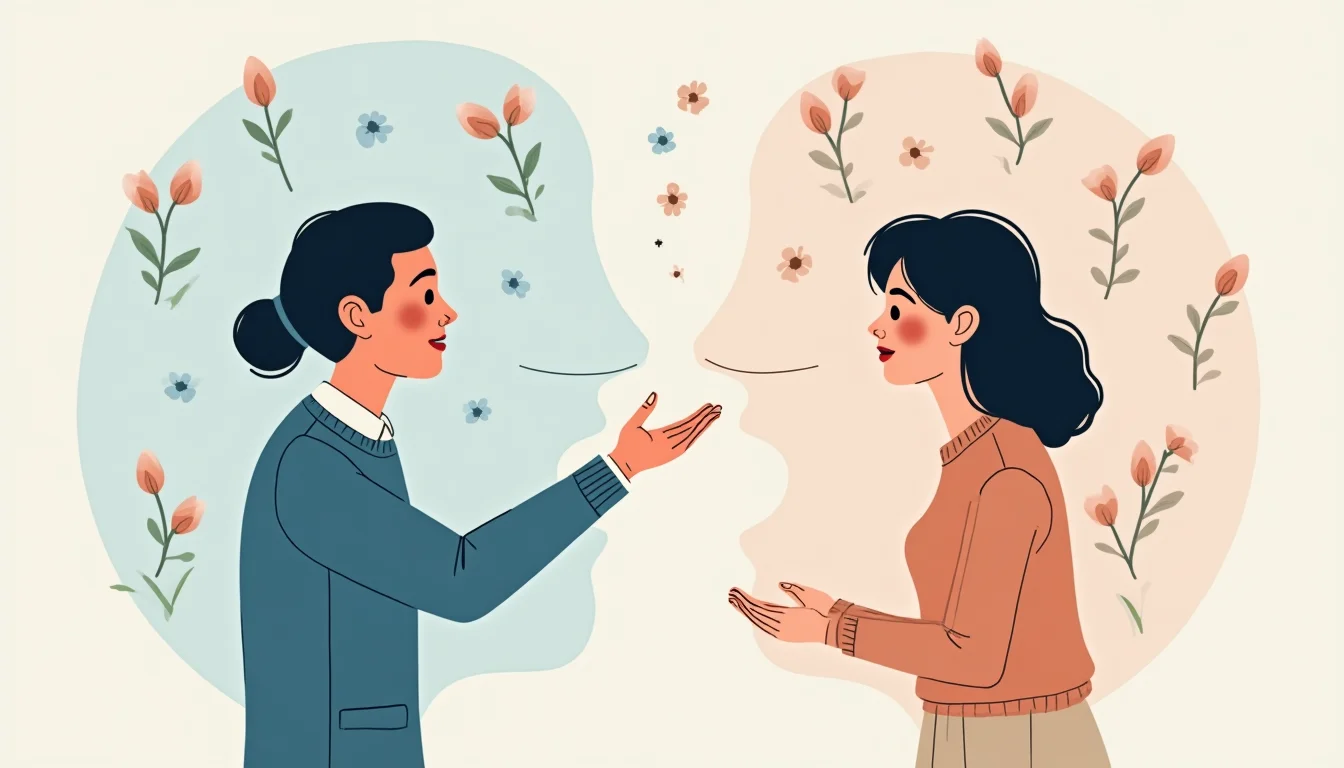
Emotional intelligence strategies refer to the methods and techniques used to develop and enhance emotional intelligence, which is the ability to recognize and understand emotions in oneself and others. Developed by Peter Salovey and John D. Mayer in 1990, emotional intelligence has become a crucial aspect of personal and professional development. Effective emotional intelligence strategies include self-awareness, self-regulation, motivation, empathy, and social skills. According to a study by TalentSmart, emotional intelligence is responsible for 58% of job performance, making it a highly sought-after skill in the workplace. With a vibe score of 80, emotional intelligence strategies have become a cultural phenomenon, with influencers like Daniel Goleman and Brené Brown popularizing the concept. As the field continues to evolve, new strategies and techniques are being developed, such as mindfulness and neuro-linguistic programming, to help individuals improve their emotional intelligence and achieve their goals.
🌟 Introduction to Emotional Intelligence
Emotional intelligence (EI) refers to the ability to recognize and understand emotions in oneself and others, and to use this awareness to guide thought and behavior. Emotional Intelligence is a vital component of personal and professional development, as it enables individuals to navigate complex social situations, build strong relationships, and make informed decisions. According to Daniel Goleman, a renowned expert in the field, EI is a key predictor of success in both personal and professional life. The concept of EI has been widely adopted in various fields, including Psychology, Education, and Business.
💡 Understanding Emotional Intelligence Strategies
Emotional intelligence strategies are techniques and approaches used to develop and improve EI. These strategies include Self-Awareness, Self-Regulation, Motivation, Empathy, and Social Skills. By developing these skills, individuals can improve their relationships, achieve their goals, and enhance their overall well-being. Emotional Intelligence Training programs are designed to help individuals develop these skills and become more effective in their personal and professional lives. For instance, Mindfulness practices can help individuals develop greater self-awareness and self-regulation. Moreover, Neuro-Linguistic Programming (NLP) can help individuals develop more effective communication skills.
📈 Developing Self-Awareness
Developing self-awareness is a critical component of emotional intelligence. Self-Awareness involves recognizing and understanding one's own emotions, values, and motivations. By developing self-awareness, individuals can better understand their strengths and weaknesses, and make more informed decisions. Journaling and Meditation are two effective techniques for developing self-awareness. Additionally, Personality Tests such as the Myers-Briggs Type Indicator (MBTI) can help individuals gain a better understanding of their personality traits and tendencies. Furthermore, Emotional Intelligence Assessment tools can help individuals identify areas for improvement and develop a plan to enhance their EI.
🤝 Building Effective Relationships
Building effective relationships is a key aspect of emotional intelligence. Effective Relationships involve developing strong communication skills, Empathy, and Trust. By building strong relationships, individuals can enhance their personal and professional lives, and achieve their goals. Active Listening and Conflict Resolution are two essential skills for building effective relationships. Moreover, Team Building activities can help individuals develop stronger relationships with their colleagues and improve their overall team performance. For example, Scrum Master training can help individuals develop the skills necessary to facilitate effective team collaboration.
🌈 Managing Emotions in the Workplace
Managing emotions in the workplace is a critical component of emotional intelligence. Emotional Management involves recognizing and understanding emotions in oneself and others, and using this awareness to guide behavior. By managing emotions effectively, individuals can improve their relationships, enhance their productivity, and reduce stress. Stress Management techniques such as Deep Breathing and Progressive Muscle Relaxation can help individuals manage their emotions and reduce stress. Additionally, Work-Life Balance is essential for maintaining emotional well-being and reducing the risk of burnout. For instance, Time Management skills can help individuals prioritize their tasks and achieve a better balance between work and personal life.
📊 Measuring Emotional Intelligence
Measuring emotional intelligence is a complex task, as it involves assessing a range of skills and abilities. Emotional Intelligence Quotient (EIQ) is a measure of an individual's emotional intelligence, and is often used in Personnel Selection and Talent Development. Emotional Intelligence Assessment tools such as the Mayer-Salovey-Caruso Emotional Intelligence Test (MSCEIT) can help individuals identify areas for improvement and develop a plan to enhance their EI. Furthermore, Neuroscience research has shed light on the neural mechanisms underlying emotional intelligence, and has implications for the development of more effective EI training programs.
📚 Applying Emotional Intelligence in Education
Applying emotional intelligence in education is essential for enhancing student outcomes and improving teacher effectiveness. Emotional Intelligence in Education involves teaching students skills such as Self-Awareness, Self-Regulation, and Empathy. By developing these skills, students can improve their relationships, achieve their goals, and enhance their overall well-being. Social-Emotional Learning (SEL) programs are designed to help students develop these skills and become more effective in their personal and academic lives. For example, Character Education programs can help students develop essential life skills such as Responsibility and Integrity.
👥 Emotional Intelligence in Leadership
Emotional intelligence in leadership is critical for achieving success in business and other organizations. Emotional Intelligence in Leadership involves developing skills such as Self-Awareness, Empathy, and Social Skills. By developing these skills, leaders can improve their relationships, enhance their decision-making, and achieve their goals. Leadership Development programs are designed to help leaders develop these skills and become more effective in their roles. Moreover, Executive Coaching can help leaders develop the skills necessary to lead their organizations effectively. For instance, Strategic Planning skills can help leaders develop a clear vision and direction for their organization.
💻 Technology and Emotional Intelligence
Technology and emotional intelligence are closely linked, as technology can both enhance and undermine emotional intelligence. Technology and Emotional Intelligence involves using technology to develop and improve emotional intelligence, while also being aware of the potential risks and limitations of technology. Artificial Intelligence (AI) and Machine Learning can help individuals develop more effective emotional intelligence training programs, and can also be used to assess and improve emotional intelligence. However, excessive use of technology can also lead to Social Isolation and reduced emotional intelligence. For example, Virtual Reality (VR) can be used to develop more immersive and engaging emotional intelligence training programs.
🌎 Cultural Intelligence and Emotional Intelligence
Cultural intelligence and emotional intelligence are closely linked, as cultural intelligence involves understanding and navigating different cultural contexts. Cultural Intelligence involves developing skills such as Self-Awareness, Empathy, and Social Skills in order to navigate different cultural contexts. By developing cultural intelligence, individuals can improve their relationships, enhance their effectiveness, and achieve their goals in diverse cultural settings. Cross-Cultural Training programs are designed to help individuals develop these skills and become more effective in their personal and professional lives. Furthermore, Globalization has increased the need for cultural intelligence and emotional intelligence in the workplace.
📊 Future of Emotional Intelligence
The future of emotional intelligence is likely to involve increased use of technology and data analytics to develop and improve emotional intelligence. Future of Emotional Intelligence involves using Artificial Intelligence (AI) and Machine Learning to develop more effective emotional intelligence training programs, and to assess and improve emotional intelligence. Additionally, Neuroscience research is likely to continue to shed light on the neural mechanisms underlying emotional intelligence, and to inform the development of more effective EI training programs. For instance, Brain-Computer Interfaces (BCIs) can be used to develop more immersive and engaging emotional intelligence training programs.
👀 Conclusion and Recommendations
In conclusion, emotional intelligence is a vital component of personal and professional development, and is essential for achieving success in all areas of life. By developing emotional intelligence, individuals can improve their relationships, enhance their effectiveness, and achieve their goals. Emotional Intelligence Strategies such as Self-Awareness, Empathy, and Social Skills are critical for developing emotional intelligence, and can be developed through practice, training, and experience. Furthermore, Emotional Intelligence Coaching can help individuals develop the skills necessary to achieve their goals and enhance their overall well-being.
Key Facts
- Year
- 1990
- Origin
- Peter Salovey and John D. Mayer
- Category
- Psychology and Personal Development
- Type
- Concept
Frequently Asked Questions
What is emotional intelligence?
Emotional intelligence (EI) refers to the ability to recognize and understand emotions in oneself and others, and to use this awareness to guide thought and behavior. EI is a vital component of personal and professional development, and is essential for achieving success in all areas of life. According to Daniel Goleman, EI is a key predictor of success in both personal and professional life. For instance, Emotional Intelligence Quotient (EIQ) is a measure of an individual's emotional intelligence, and is often used in Personnel Selection and Talent Development.
How can I develop emotional intelligence?
Developing emotional intelligence involves practicing skills such as Self-Awareness, Empathy, and Social Skills. This can be done through Emotional Intelligence Training programs, Coaching, and Mentoring. Additionally, Mindfulness practices such as Meditation and Yoga can help individuals develop greater self-awareness and self-regulation. For example, Journaling can help individuals develop a better understanding of their thoughts, feelings, and behaviors.
What are the benefits of emotional intelligence?
The benefits of emotional intelligence include improved relationships, enhanced effectiveness, and increased success in personal and professional life. Emotional intelligence can also help individuals manage stress, build stronger relationships, and make more informed decisions. According to Emotional Intelligence Research, EI is a key predictor of success in both personal and professional life. For instance, Emotional Intelligence in Education can help students develop essential life skills such as Responsibility and Integrity.
How can I measure emotional intelligence?
Measuring emotional intelligence involves using Emotional Intelligence Assessment tools such as the Mayer-Salovey-Caruso Emotional Intelligence Test (MSCEIT). These tools can help individuals identify areas for improvement and develop a plan to enhance their EI. Additionally, Neuroscience research has shed light on the neural mechanisms underlying emotional intelligence, and has implications for the development of more effective EI training programs. For example, Brain-Computer Interfaces (BCIs) can be used to develop more immersive and engaging emotional intelligence training programs.
What is the relationship between emotional intelligence and leadership?
Emotional intelligence is critical for effective leadership, as it involves developing skills such as Self-Awareness, Empathy, and Social Skills. By developing these skills, leaders can improve their relationships, enhance their decision-making, and achieve their goals. Leadership Development programs are designed to help leaders develop these skills and become more effective in their roles. For instance, Executive Coaching can help leaders develop the skills necessary to lead their organizations effectively.
Can emotional intelligence be developed in children?
Yes, emotional intelligence can be developed in children through Social-Emotional Learning (SEL) programs and Character Education programs. These programs can help children develop essential life skills such as Self-Awareness, Empathy, and Responsibility. Additionally, Parenting styles such as Authoritative Parenting can help children develop emotional intelligence. For example, Positive Reinforcement can help children develop a positive self-image and improve their relationships with others.
What is the role of technology in emotional intelligence?
Technology can both enhance and undermine emotional intelligence. Artificial Intelligence (AI) and Machine Learning can help individuals develop more effective emotional intelligence training programs, and can also be used to assess and improve emotional intelligence. However, excessive use of technology can also lead to Social Isolation and reduced emotional intelligence. For instance, Virtual Reality (VR) can be used to develop more immersive and engaging emotional intelligence training programs.