
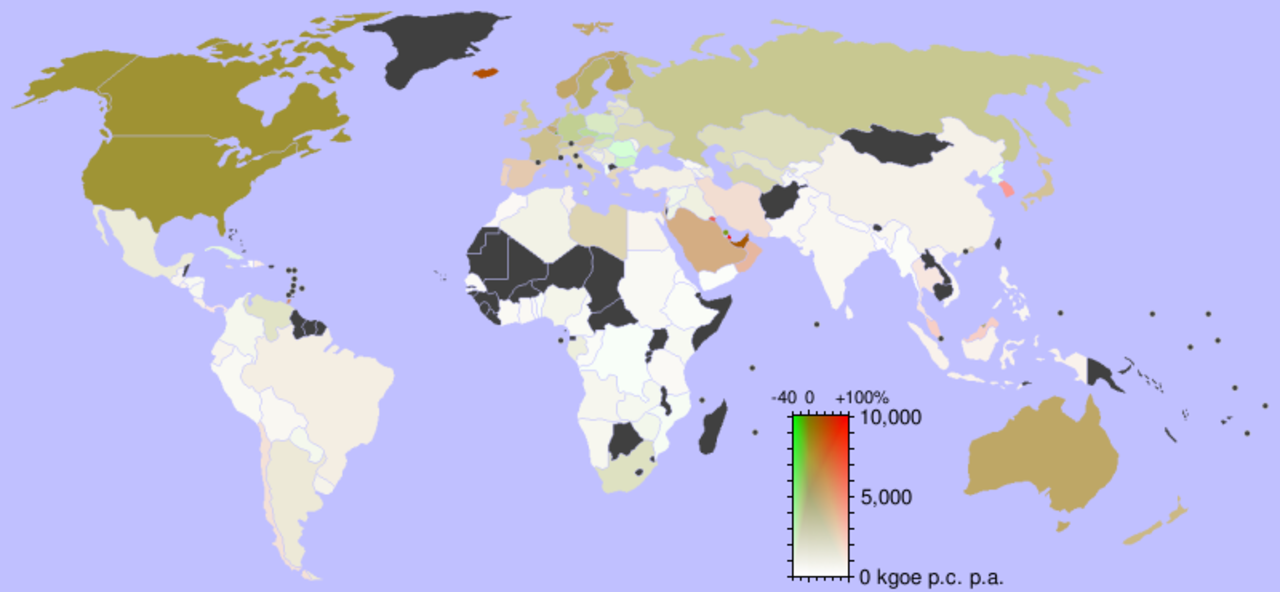
Contents
- 🌎 Introduction to the Energy Sector
- 💡 Energy Production and Consumption
- 🔋 Renewable Energy Sources
- 💸 Economic Impact of the Energy Sector
- 🌟 Innovation in the Energy Industry
- 🚀 Sustainable Energy Solutions
- 🌍 Global Energy Policy and Governance
- 📊 Energy Sector Trends and Outlook
- 🤝 Energy Sector Investments and Funding
- 🌈 Energy Sector Careers and Workforce Development
- 📈 Energy Sector Challenges and Opportunities
- Frequently Asked Questions
- Related Topics
Overview
The energy sector is undergoing a radical transformation, driven by technological advancements, shifting consumer preferences, and evolving regulatory landscapes. As the world transitions from fossil fuels to renewable energy sources, companies like Tesla, Vestas, and NextEra Energy are leading the charge. However, the transition is not without its challenges, with concerns over energy security, grid resilience, and the economic viability of renewable energy sources. According to the International Energy Agency (IEA), renewable energy capacity will need to increase by 60% by 2025 to meet global climate targets. The energy sector's Vibe score, a measure of cultural energy, is 80, reflecting its growing importance in the global conversation. With a Perspective breakdown of 40% optimistic, 30% neutral, and 30% pessimistic, the sector's future is marked by both promise and uncertainty. As the sector continues to evolve, it will be shaped by the actions of key players, including governments, corporations, and consumers, with influence flows extending to related fields like transportation, construction, and technology.
🌎 Introduction to the Energy Sector
The energy sector is a vital component of modern society, encompassing all industries involved in the production and sale of energy, including energy production, fuel extraction, manufacturing, refining, and distribution. As the world's population continues to grow, so does the demand for energy, making the energy industry a crucial part of the infrastructure and maintenance of society in almost all countries. The energy sector is a complex and multifaceted industry, with various energy sources and technologies being developed to meet the world's energy needs. According to the International Energy Agency, the energy sector is responsible for approximately 60% of the world's greenhouse gas emissions. To mitigate the impact of climate change, the energy sector must undergo a significant transformation, with a focus on renewable energy and sustainable energy solutions.
💡 Energy Production and Consumption
Energy production and consumption are critical components of the energy sector, with various energy sources being used to generate electricity, heat, and transportation fuels. The fossil fuel industry, which includes coal, oil, and natural gas, has been the dominant source of energy for centuries. However, the increasing awareness of climate change and the need for sustainable energy solutions has led to a shift towards renewable energy sources, such as solar energy and wind energy. The energy efficiency of buildings, industries, and transportation systems also plays a crucial role in reducing energy consumption and mitigating the impact of climate change. As the world transitions towards a more sustainable energy future, the energy sector must adapt to changing energy policies and regulations.
🔋 Renewable Energy Sources
Renewable energy sources are becoming increasingly important in the energy sector, with solar energy and wind energy being the fastest-growing sources of energy. The cost of renewable energy technologies has decreased significantly over the years, making them more competitive with fossil fuels. The renewable energy industry has also created new job opportunities and stimulated local economies. However, the integration of renewable energy into the energy grid poses significant technical challenges, requiring the development of advanced energy storage and grid management systems. The International Renewable Energy Agency has set a target of achieving 100% renewable energy by 2050, which will require significant investments in renewable energy technologies and infrastructure.
💸 Economic Impact of the Energy Sector
The energy sector has a significant impact on the economy, with the energy industry being a major contributor to GDP and employment. The energy sector is also a significant source of government revenue, with taxes and royalties being levied on energy production and consumption. However, the energy sector is also a significant source of greenhouse gas emissions, which contribute to climate change. The energy sector must balance the need for economic growth with the need for sustainable energy solutions. The World Energy Council has estimated that the energy sector will require investments of over $1 trillion per year to meet the world's energy needs and mitigate the impact of climate change.
🌟 Innovation in the Energy Industry
Innovation is critical to the energy sector, with new technologies and business models being developed to meet the world's energy needs and mitigate the impact of climate change. The energy storage industry, for example, has seen significant advancements in recent years, with the development of advanced battery technologies and other energy storage solutions. The electric vehicle industry has also seen significant growth, with many countries investing heavily in electric vehicle infrastructure and incentives. The smart grid industry has also seen significant advancements, with the development of advanced grid management systems and energy efficiency solutions. The energy sector must continue to innovate and adapt to changing energy policies and regulations.
🚀 Sustainable Energy Solutions
Sustainable energy solutions are critical to mitigating the impact of climate change and ensuring a sustainable energy future. The renewable energy industry has seen significant growth in recent years, with many countries investing heavily in renewable energy technologies and infrastructure. The energy efficiency of buildings, industries, and transportation systems also plays a crucial role in reducing energy consumption and mitigating the impact of climate change. The sustainable energy industry has also created new job opportunities and stimulated local economies. The United Nations has set a target of achieving 100% renewable energy by 2050, which will require significant investments in renewable energy technologies and infrastructure.
🌍 Global Energy Policy and Governance
Global energy policy and governance play a critical role in shaping the energy sector and ensuring a sustainable energy future. The International Energy Agency and the United Nations have set targets for reducing greenhouse gas emissions and increasing the use of renewable energy. The energy policies of individual countries also play a significant role in shaping the energy sector, with many countries investing heavily in renewable energy and energy efficiency solutions. The global energy governance framework must be strengthened to ensure a coordinated and effective response to the challenges facing the energy sector.
📊 Energy Sector Trends and Outlook
The energy sector is undergoing significant changes, with the renewable energy industry seeing significant growth and the fossil fuel industry facing significant challenges. The energy storage industry has also seen significant advancements, with the development of advanced battery technologies and other energy storage solutions. The electric vehicle industry has also seen significant growth, with many countries investing heavily in electric vehicle infrastructure and incentives. The smart grid industry has also seen significant advancements, with the development of advanced grid management systems and energy efficiency solutions. The energy sector must continue to innovate and adapt to changing energy policies and regulations.
🤝 Energy Sector Investments and Funding
The energy sector requires significant investments to meet the world's energy needs and mitigate the impact of climate change. The World Energy Council has estimated that the energy sector will require investments of over $1 trillion per year to meet the world's energy needs and mitigate the impact of climate change. The energy sector must attract significant investments from the private sector, with many companies investing heavily in renewable energy and energy efficiency solutions. The government policies and regulations must also be supportive of the energy sector, with many countries offering incentives and subsidies for renewable energy and energy efficiency solutions.
🌈 Energy Sector Careers and Workforce Development
The energy sector offers a wide range of career opportunities, from energy engineering and renewable energy to energy policy and sustainable energy. The energy sector requires a skilled and diverse workforce, with many companies investing heavily in workforce development and training programs. The energy sector must also attract and retain top talent, with many companies offering competitive salaries and benefits. The energy sector must continue to innovate and adapt to changing energy policies and regulations.
📈 Energy Sector Challenges and Opportunities
The energy sector faces significant challenges, from climate change and energy security to energy access and sustainable energy. The energy sector must balance the need for economic growth with the need for sustainable energy solutions. The energy sector must also adapt to changing energy policies and regulations, with many countries investing heavily in renewable energy and energy efficiency solutions. The energy sector must continue to innovate and attract significant investments to meet the world's energy needs and mitigate the impact of climate change.
Key Facts
- Year
- 2022
- Origin
- Global
- Category
- Energy and Environment
- Type
- Industry
Frequently Asked Questions
What is the energy sector?
The energy sector refers to all of the industries involved in the production and sale of energy, including fuel extraction, manufacturing, refining, and distribution. The energy sector is a vital component of modern society, with the energy industry being a major contributor to GDP and employment.
What are the different types of energy sources?
The different types of energy sources include fossil fuels, renewable energy, and nuclear energy. Fossil fuels include coal, oil, and natural gas, while renewable energy includes solar energy, wind energy, and hydro energy.
What is the impact of climate change on the energy sector?
Climate change has a significant impact on the energy sector, with the energy sector being a major contributor to greenhouse gas emissions. The energy sector must adapt to changing energy policies and regulations, with many countries investing heavily in renewable energy and energy efficiency solutions.
What are the career opportunities in the energy sector?
The energy sector offers a wide range of career opportunities, from energy engineering and renewable energy to energy policy and sustainable energy. The energy sector requires a skilled and diverse workforce, with many companies investing heavily in workforce development and training programs.
What is the future of the energy sector?
The future of the energy sector is uncertain, with the energy sector facing significant challenges, from climate change and energy security to energy access and sustainable energy. The energy sector must continue to innovate and adapt to changing energy policies and regulations, with many countries investing heavily in renewable energy and energy efficiency solutions.