
Contents
Overview
Lima was founded in 1535 by Spanish Empire conquistador Francisco Pizarro and has since become a melting pot of cultures, with influences from Indigenous peoples of Peru, African Peruvians, and Asian Peruvians. The city's historic center is a UNESCO World Heritage Site and features stunning examples of Baroque architecture, including the Lima Cathedral and the Government Palace.
🗺️ Geography & Climate
Lima's geography is characterized by its location in the valleys of the Chillón River, Rímac River, and Lurín River, which provide a unique microclimate in the desert zone of the central coastal part of Peru. The city's proximity to the Pacific Ocean and its Jorge Chávez International Airport make it an important hub for international trade and tourism. Companies like LATAM Airlines and Avianca operate flights to and from Lima, connecting the city to major destinations in South America and beyond.
🌎 Cultural Impact
Lima's cultural impact is significant, with the city being home to numerous museums, galleries, and cultural institutions, such as the National Museum of Archaeology, Anthropology, and History and the Museo de Arte de Lima. The city is also known for its vibrant nightlife, with popular districts like Barranco and Miraflores offering a wide range of restaurants, bars, and clubs. Influential figures like Mario Vargas Llosa and Gabriel Garcia Marquez have been inspired by Lima's unique cultural landscape.
📊 Economy & Infrastructure
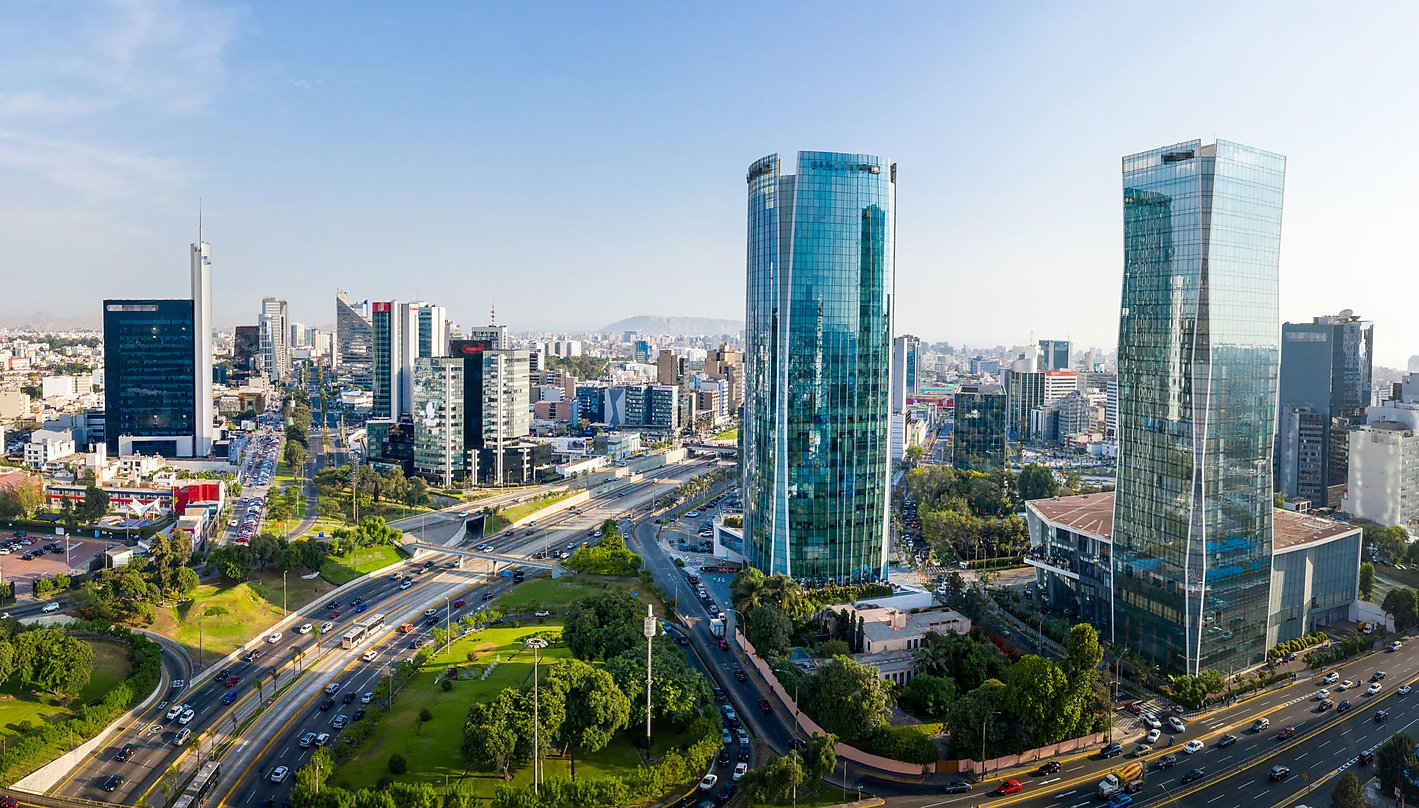
Lima's economy is driven by a diverse range of industries, including mining, manufacturing, and services. The city is home to the Lima Stock Exchange and is a major hub for international trade, with companies like Maersk and DHL operating in the city. The Peruvian government, led by the President of Peru, is working to improve the city's infrastructure, including the development of new transportation systems and the expansion of the Jorge Chávez International Airport.
Key Facts
- Year
- 1535
- Origin
- Peru
- Category
- history
- Type
- city
Frequently Asked Questions
What is the population of Lima?
The population of Lima is approximately 10 million inhabitants, making it the second-most populous city in South America. According to the National Institute of Statistics and Information, the city's population has been growing steadily over the past few decades, with a growth rate of around 2% per year. This growth is driven by a combination of natural increase and migration from other parts of Peru, with many people attracted to the city's economic opportunities and cultural amenities.
What is the climate like in Lima?
Lima has a unique microclimate, with a mild desert climate characterized by low humidity and moderate temperatures. The city's proximity to the Pacific Ocean and its location in the desert zone of the central coastal part of Peru contribute to its distinct climate. According to data from the Peruvian National Service of Meteorology and Hydrology, the average temperature in Lima ranges from 18°C to 28°C (64°F to 82°F) throughout the year, making it an attractive destination for tourists and business travelers alike.
What are some popular tourist attractions in Lima?
Lima is home to numerous cultural and historical attractions, including the Lima Cathedral, the Government Palace, and the National Museum of Archaeology, Anthropology, and History. Visitors can also explore the city's vibrant neighborhoods, such as Barranco and Miraflores, which offer a wide range of restaurants, bars, and shops. For those interested in history, the Museo de Arte de Lima is a must-visit, with its collection of Peruvian art from the 16th century to the present day.
What is the economy of Lima like?
Lima is the economic hub of Peru, with a diverse range of industries, including mining, manufacturing, and services. The city is home to the Lima Stock Exchange and is a major hub for international trade, with companies like Maersk and DHL operating in the city. According to data from the Peruvian Ministry of Economy and Finance, the city's GDP has been growing steadily over the past few decades, with a growth rate of around 5% per year.
What is the cultural significance of Lima?
Lima is a city with a rich cultural heritage, with influences from Indigenous peoples of Peru, African Peruvians, and Asian Peruvians. The city is home to numerous cultural institutions, including the National Museum of Archaeology, Anthropology, and History and the Museo de Arte de Lima. According to the Peruvian Ministry of Culture, the city's cultural scene is thriving, with a wide range of festivals and events throughout the year, including the Lima Festival and the Peruvian Film Festival.