
Contents
- 🏛️ Introduction to Napoleon Bonaparte
- 💡 Early Life and Education
- 🔥 Rise to Power during the French Revolution
- 🏆 Military Campaigns and Conquests
- 📚 Legal and Administrative Reforms
- 👑 Emperor of the French
- 💔 The Fall of Napoleon
- 🕊️ Exile and Legacy
- 🤝 Influence on European History
- 📊 Controversy and Criticism
- 📚 Historical Significance and Impact
- 👀 Conclusion and Final Thoughts
- Frequently Asked Questions
- Related Topics
Overview
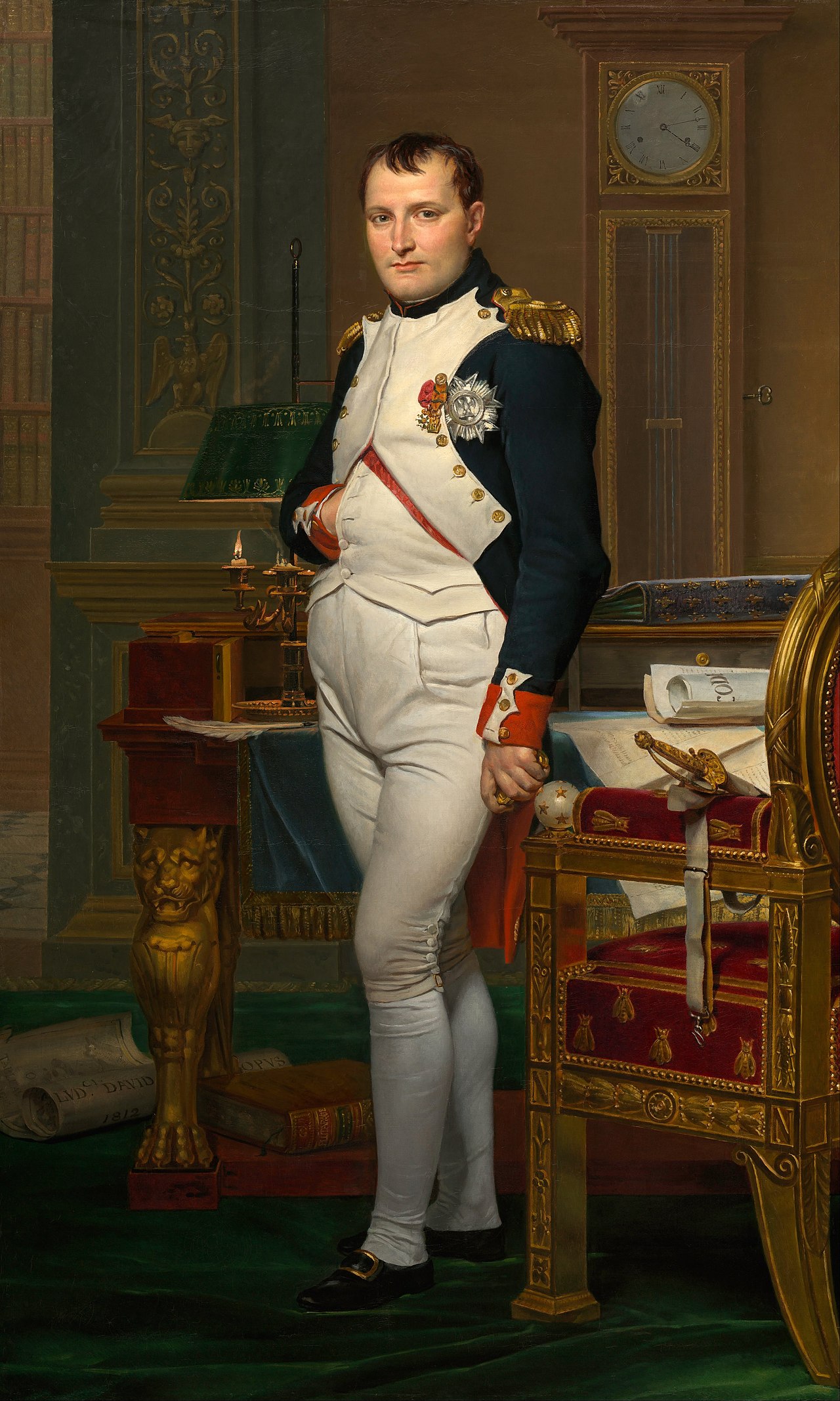
Napoleon Bonaparte, born on August 15, 1769, in Ajaccio, Corsica, rose to prominence during the French Revolution, seizing power in a coup d'état in 1799. He centralized authority, reformed the French legal system with the Napoleonic Code, and expanded the French Empire through a series of military victories, including the Battle of Austerlitz in 1805. However, his disastrous invasion of Russia in 1812 and the subsequent Sixth Coalition led to his exile to Elba in 1814. He briefly regained power in 1815, but was defeated at the Battle of Waterloo, marking the end of his reign. Napoleon's legacy is contested, with some viewing him as a brilliant military strategist and others as a power-hungry dictator. His impact on European history is undeniable, with the Congress of Vienna in 1815 redrawing the continent's map in response to his conquests. The controversy surrounding his legacy continues to this day, with a vibe score of 82, reflecting his enduring cultural significance.
🏛️ Introduction to Napoleon Bonaparte
Napoleon Bonaparte, later known by his regnal name Napoleon I, was Emperor of the French from 18 May 1804 until his first abdication in 1814, with a brief restoration during the Hundred Days in 1815. He rose to prominence as a general during the French Revolution and led a series of military campaigns across Europe and the Middle East during the French Revolutionary and Napoleonic Wars. As a statesman, he implemented numerous legal and administrative reforms in France and Europe, including the Napoleonic Code. His legacy continues to be felt today, with many regarding him as one of the greatest military minds in history, while others criticize his authoritarian tendencies and the devastating wars he waged. For more information on his life and reign, visit the Napoleon Bonaparte page.
💡 Early Life and Education
Napoleon was born on August 15, 1769, in Ajaccio, Corsica, to a family of minor nobility. His early life was marked by a strong sense of ambition and a desire to make a name for himself. He attended the École Militaire in Paris, where he graduated in 1785 and became a second lieutenant in the French army. Napoleon's education and early military career were heavily influenced by the ideas of the Enlightenment, which emphasized reason, individualism, and the principles of liberty, equality, and fraternity. He was also deeply interested in the works of Julius Caesar and other great military leaders, which would later shape his own military strategy and tactics. For more information on his early life, visit the Napoleon Bonaparte Early Life page.
🔥 Rise to Power during the French Revolution
Napoleon's rise to power began during the French Revolution, when he became a prominent figure in the National Convention. He quickly gained recognition for his military prowess, particularly during the Siege of Toulon in 1793, where he successfully defended the city against a British invasion. His victory at the Battle of 13 Vendémiaire in 1795 further solidified his position as a leading military commander. Napoleon's relationship with Paul Barras, a prominent politician and member of the National Convention, also played a significant role in his rise to power. For more information on the French Revolution, visit the French Revolution page.
🏆 Military Campaigns and Conquests
Napoleon's military campaigns are legendary, with victories at the Battle of Austerlitz in 1805, the Battle of Jena in 1806, and the Battle of Wagram in 1809. He also led successful campaigns in Italy, Egypt, and Spain, expanding the French Empire and spreading the ideas of the French Revolution. However, his disastrous invasion of Russia in 1812 marked a turning point in his fortunes, and he was eventually defeated at the Battle of Leipzig in 1813. For more information on his military campaigns, visit the Napoleonic Wars page.
📚 Legal and Administrative Reforms
As Emperor, Napoleon implemented a range of legal and administrative reforms, including the Napoleonic Code, which remains in use in many countries today. He also centralized the French state, creating a more efficient and effective administrative system. His reforms had a lasting impact on European history, shaping the development of modern nation-states and the concept of citizenship. For more information on his reforms, visit the Napoleonic Reforms page.
👑 Emperor of the French
Napoleon's coronation as Emperor of the French took place on December 2, 1804, at the Cathedral of Notre-Dame in Paris. He was crowned by the Pope Pius VII, who had been invited to attend the ceremony. As Emperor, Napoleon continued to expand the French Empire, annexing much of Europe and establishing a network of satellite states. However, his authoritarian tendencies and aggressive military expansion eventually led to his downfall. For more information on his reign, visit the Napoleon I page.
💔 The Fall of Napoleon
Napoleon's fall from power was swift and decisive. He was defeated at the Battle of Waterloo in 1815 and exiled to the island of Saint Helena, where he died on May 5, 1821. His legacy is complex and contested, with some regarding him as a brilliant military strategist and statesman, while others criticize his authoritarianism and the devastating wars he waged. For more information on his exile and death, visit the Napoleon Bonaparte Exile and Death page.
🕊️ Exile and Legacy
Despite his flaws and failures, Napoleon's influence on European history is undeniable. He played a significant role in shaping the modern nation-state, promoting the ideas of the Enlightenment, and spreading the principles of liberty, equality, and fraternity. His military campaigns and conquests also had a lasting impact on the development of modern warfare. For more information on his influence, visit the Napoleon Bonaparte Influence page.
🤝 Influence on European History
Napoleon's legacy is also marked by controversy and criticism. Many have criticized his authoritarian tendencies, his aggressive military expansion, and his role in the devastating wars of the early 19th century. Others have questioned his commitment to the principles of the French Revolution, arguing that he betrayed the ideals of liberty, equality, and fraternity. For more information on the controversy surrounding his legacy, visit the Napoleon Bonaparte Criticism page.
📊 Controversy and Criticism
Napoleon's historical significance and impact are undeniable. He played a major role in shaping the modern world, promoting the ideas of the Enlightenment, and spreading the principles of liberty, equality, and fraternity. His legacy continues to be felt today, with many regarding him as one of the greatest military minds in history. For more information on his historical significance, visit the Napoleon Bonaparte Historical Significance page.
📚 Historical Significance and Impact
In conclusion, Napoleon Bonaparte was a complex and multifaceted figure, whose legacy continues to be felt today. His rise to power, his military campaigns, and his reforms had a lasting impact on European history, shaping the development of modern nation-states and the concept of citizenship. However, his authoritarian tendencies and aggressive military expansion also had devastating consequences, leading to his downfall and exile. For more information on his life and legacy, visit the Napoleon Bonaparte page.
Key Facts
- Year
- 1769
- Origin
- Ajaccio, Corsica
- Category
- History
- Type
- Historical Figure
Frequently Asked Questions
Who was Napoleon Bonaparte?
Napoleon Bonaparte was a French military leader and statesman who rose to prominence during the French Revolution and became Emperor of the French from 1804 to 1814. He is widely regarded as one of the greatest military minds in history, but his legacy is also marked by controversy and criticism. For more information, visit the Napoleon Bonaparte page.
What were Napoleon's major military campaigns?
Napoleon's major military campaigns included the Italian Campaign, the Egyptian Campaign, the German Campaign, and the Russian Campaign. He also fought in the Battle of Austerlitz, the Battle of Jena, and the Battle of Waterloo. For more information, visit the Napoleonic Wars page.
What were Napoleon's major reforms?
Napoleon's major reforms included the Napoleonic Code, which remains in use in many countries today. He also centralized the French state, creating a more efficient and effective administrative system. For more information, visit the Napoleonic Reforms page.
Why was Napoleon exiled?
Napoleon was exiled after his defeat at the Battle of Waterloo in 1815. He was sent to the island of Saint Helena, where he died on May 5, 1821. For more information, visit the Napoleon Bonaparte Exile and Death page.
What is Napoleon's legacy?
Napoleon's legacy is complex and contested. He is widely regarded as one of the greatest military minds in history, but his authoritarian tendencies and aggressive military expansion also had devastating consequences. For more information, visit the Napoleon Bonaparte Legacy page.
How did Napoleon influence European history?
Napoleon's influence on European history is undeniable. He played a significant role in shaping the modern nation-state, promoting the ideas of the Enlightenment, and spreading the principles of liberty, equality, and fraternity. For more information, visit the Napoleon Bonaparte Influence page.
What were the major criticisms of Napoleon's rule?
The major criticisms of Napoleon's rule include his authoritarian tendencies, his aggressive military expansion, and his role in the devastating wars of the early 19th century. For more information, visit the Napoleon Bonaparte Criticism page.