
Contents
- 🌌 Introduction to Olympus Mons
- 🏔️ Geology of Olympus Mons
- 📏 Size and Scale of Olympus Mons
- 🌋 Volcanic History of Olympus Mons
- 👥 Exploration and Discovery of Olympus Mons
- 🔍 Mars Orbiter Laser Altimeter (MOLA) Measurements
- 🌐 Comparison to Other Volcanoes in the Solar System
- 🤔 Theories on the Formation of Olympus Mons
- 🌟 Olympus Mons in the Context of Mars Geology
- 📸 Imaging and Mapping of Olympus Mons
- 🚀 Future Missions to Olympus Mons
- 👀 Conclusion and Future Prospects
- Frequently Asked Questions
- Related Topics
Overview
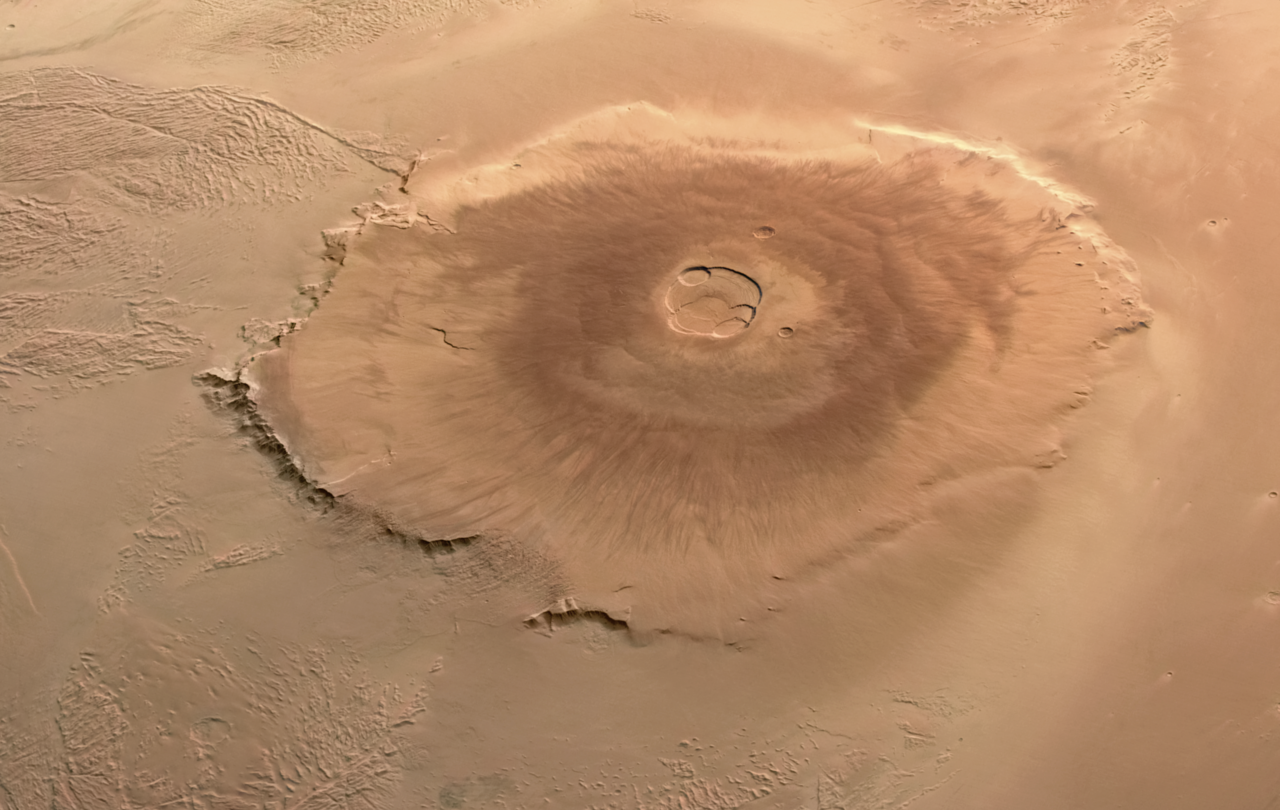
Olympus Mons, located on Mars, is the largest volcano in the solar system, with a height of approximately 27 km and a base diameter of over 600 km. This shield volcano is roughly three times the height of Mount Everest and has a total volume of around 2.5 million cubic kilometers. Olympus Mons is not only a marvel of geological formation but also a subject of ongoing scientific study, with its unique features providing insights into the Martian geology and climate. The volcano's immense size and gentle slopes are a result of the eruption of fluid lava flows over millions of years. With a vibe score of 8, Olympus Mons is a cultural phenomenon, inspiring scientific research, artistic expression, and public fascination. As we continue to explore Mars and its geological wonders, Olympus Mons remains an enigmatic and awe-inspiring landmark, with its study shedding light on the planet's history and evolution.
🌌 Introduction to Olympus Mons
Olympus Mons, located on the planet Martian Surface, is the largest volcano in the solar system. With a height of 21.1 kilometres, it is an impressive feature that has captivated astronomers and planetary scientists alike. The volcano is associated with the Tharsis Region, a volcanic region on Mars that is home to several large volcanoes. Olympus Mons is not only the largest volcano on Mars but also the largest planetary mountain, surpassing the height of Earth's Tallest Mountain. For more information on Mars, visit the NASA Website.
🏔️ Geology of Olympus Mons
The geology of Olympus Mons is characterized by its shield-like shape, which is typical of volcanoes that produce large amounts of fluid lava flows. The volcano is composed of basaltic rock, which is common in volcanic regions. Olympus Mons is thought to have formed as a result of the eruption of highly fluid lava flows, which built up the shield-like shape over time. The volcano is also associated with the Pancake Dome features, which are characteristic of volcanic regions. For more information on geology, visit the USGS Website. The study of Volcanology is crucial in understanding the formation of Olympus Mons.
📏 Size and Scale of Olympus Mons
The size and scale of Olympus Mons are impressive, with a height of 21.1 kilometres and a base diameter of over 600 kilometres. To put that in perspective, Olympus Mons is roughly 2.5 times the height of Mount Everest, the tallest mountain on Earth. The volcano is so large that it would cover the entire state of Arizona. Olympus Mons is not only the largest volcano on Mars but also one of the largest in the solar system, rivaling the size of Rheasilvia on Vesta. For more information on the solar system, visit the NASA Solar System Website. The Astronomy community is fascinated by the size and scale of Olympus Mons.
🌋 Volcanic History of Olympus Mons
The volcanic history of Olympus Mons is complex and not fully understood. However, scientists believe that the volcano last erupted around 25 million years ago. Olympus Mons is thought to have formed over a period of millions of years, with the eruption of highly fluid lava flows building up the shield-like shape. The volcano is also associated with the Lava Flow features, which are characteristic of volcanic regions. For more information on volcanic history, visit the Smithsonian Website. The study of Geology is crucial in understanding the volcanic history of Olympus Mons. The Volcanic Eruption that formed Olympus Mons is still a topic of research.
👥 Exploration and Discovery of Olympus Mons
The exploration and discovery of Olympus Mons have been made possible by a range of spacecraft and landers. The Mariner 9 spacecraft, which orbited Mars in the 1970s, provided the first images of Olympus Mons. Since then, a range of spacecraft, including the Mars Global Surveyor and the Mars Reconnaissance Orbiter, have imaged the volcano in high resolution. For more information on space exploration, visit the Space.com Website. The NASA Mars Exploration Program has been instrumental in the exploration of Olympus Mons.
🔍 Mars Orbiter Laser Altimeter (MOLA) Measurements
The Mars Orbiter Laser Altimeter (MOLA) has played a crucial role in measuring the size and shape of Olympus Mons. MOLA, which was on board the Mars Global Surveyor spacecraft, used a laser altimeter to measure the height of features on the Martian surface. The measurements made by MOLA have allowed scientists to determine the height of Olympus Mons with great accuracy. For more information on MOLA, visit the NASA MOLA Website. The Laser Altimetry technique used by MOLA is a valuable tool in understanding the Martian surface.
🌐 Comparison to Other Volcanoes in the Solar System
Olympus Mons is not only the largest volcano on Mars but also one of the largest in the solar system. The volcano is roughly the same size as Rheasilvia on Vesta, which is the largest asteroid in the solar system. Olympus Mons is also larger than any volcano on Earth, including Mauna Loa, which is the largest volcano on our planet. For more information on the solar system, visit the Solar System Website. The study of Asteroids is crucial in understanding the formation of the solar system.
🤔 Theories on the Formation of Olympus Mons
Theories on the formation of Olympus Mons are complex and not fully understood. However, scientists believe that the volcano formed as a result of the eruption of highly fluid lava flows, which built up the shield-like shape over time. The volcano is thought to have formed over a period of millions of years, with the eruption of lava flows building up the shield-like shape. For more information on volcanic formation, visit the Volcanic Formation Website. The study of Geology is crucial in understanding the formation of Olympus Mons.
🌟 Olympus Mons in the Context of Mars Geology
Olympus Mons is located in the Tharsis Region of Mars, which is a volcanic region that is home to several large volcanoes. The region is characterized by its unique geology, which is thought to have formed as a result of the eruption of highly fluid lava flows. Olympus Mons is not only the largest volcano in the Tharsis region but also one of the largest in the solar system. For more information on Mars geology, visit the Mars Geology Website. The study of Planetary Science is crucial in understanding the geology of Mars.
📸 Imaging and Mapping of Olympus Mons
Imaging and mapping of Olympus Mons have been made possible by a range of spacecraft and landers. The Mars Reconnaissance Orbiter has imaged the volcano in high resolution, providing detailed information about its geology and morphology. For more information on Mars imaging, visit the Mars Imaging Website. The NASA Mars Exploration Program has been instrumental in the imaging and mapping of Olympus Mons.
🚀 Future Missions to Olympus Mons
Future missions to Olympus Mons are planned, including the European Space Agency's ExoMars rover, which will explore the Martian surface in the 2020s. The rover will provide detailed information about the geology and morphology of Olympus Mons, as well as search for signs of life on Mars. For more information on future missions, visit the Future Missions Website. The study of Astrobiology is crucial in understanding the possibility of life on Mars.
👀 Conclusion and Future Prospects
In conclusion, Olympus Mons is an impressive feature that has captivated astronomers and planetary scientists alike. The volcano is not only the largest on Mars but also one of the largest in the solar system. Future missions to Olympus Mons will provide detailed information about its geology and morphology, as well as search for signs of life on Mars. For more information on Olympus Mons, visit the Olympus Mons Website. The study of Planetary Science is crucial in understanding the geology and morphology of Olympus Mons.
Key Facts
- Year
- 1971 (first imaged by Mariner 9)
- Origin
- Mars, formed over 2 million years ago
- Category
- Astronomy
- Type
- Geological Formation
Frequently Asked Questions
What is Olympus Mons?
Olympus Mons is the largest volcano in the solar system, located on the planet Mars. It is a shield volcano that is roughly 2.5 times the height of Mount Everest, the tallest mountain on Earth. Olympus Mons is not only the largest volcano on Mars but also one of the largest in the solar system, rivaling the size of Rheasilvia on Vesta. For more information on Olympus Mons, visit the Olympus Mons Website. The study of Volcanology is crucial in understanding the formation of Olympus Mons.
How was Olympus Mons formed?
The formation of Olympus Mons is complex and not fully understood. However, scientists believe that the volcano formed as a result of the eruption of highly fluid lava flows, which built up the shield-like shape over time. The volcano is thought to have formed over a period of millions of years, with the eruption of lava flows building up the shield-like shape. For more information on volcanic formation, visit the Volcanic Formation Website. The study of Geology is crucial in understanding the formation of Olympus Mons.
What is the size of Olympus Mons?
Olympus Mons is roughly 21.1 kilometres high and has a base diameter of over 600 kilometres. To put that in perspective, Olympus Mons is roughly 2.5 times the height of Mount Everest, the tallest mountain on Earth. The volcano is so large that it would cover the entire state of Arizona. For more information on the size of Olympus Mons, visit the Olympus Mons Website. The study of Astronomy is crucial in understanding the size and scale of Olympus Mons.
When did Olympus Mons last erupt?
Olympus Mons is thought to have last erupted around 25 million years ago. The volcano is no longer active and is considered to be dormant. For more information on the volcanic history of Olympus Mons, visit the Volcanic History Website. The study of Geology is crucial in understanding the volcanic history of Olympus Mons.
What are the future plans for exploring Olympus Mons?
Future missions to Olympus Mons are planned, including the European Space Agency's ExoMars rover, which will explore the Martian surface in the 2020s. The rover will provide detailed information about the geology and morphology of Olympus Mons, as well as search for signs of life on Mars. For more information on future missions, visit the Future Missions Website. The study of Astrobiology is crucial in understanding the possibility of life on Mars.
What is the significance of Olympus Mons?
Olympus Mons is an impressive feature that has captivated astronomers and planetary scientists alike. The volcano is not only the largest on Mars but also one of the largest in the solar system. Olympus Mons provides valuable insights into the geology and morphology of Mars, as well as the possibility of life on the planet. For more information on the significance of Olympus Mons, visit the Olympus Mons Website. The study of Planetary Science is crucial in understanding the geology and morphology of Olympus Mons.
How does Olympus Mons compare to other volcanoes in the solar system?
Olympus Mons is roughly the same size as Rheasilvia on Vesta, which is the largest asteroid in the solar system. Olympus Mons is also larger than any volcano on Earth, including Mauna Loa, which is the largest volcano on our planet. For more information on the comparison of Olympus Mons to other volcanoes, visit the Volcanoes Website. The study of Astronomy is crucial in understanding the size and scale of Olympus Mons.