
Contents
- 🚢 What Exactly is a Tanker?
- 🗺️ Types of Tankers & Their Cargo
- 📈 The Global Tanker Market: Key Players & Trends
- ⚖️ Regulations & Safety: Navigating the Rules
- 💰 Chartering & Economics: How Tankers Make Money
- 🌍 Environmental Impact & Sustainability Efforts
- 🛠️ The Technology Behind Modern Tankers
- ❓ Frequently Asked Questions About Tankers
- Frequently Asked Questions
- Related Topics
Overview
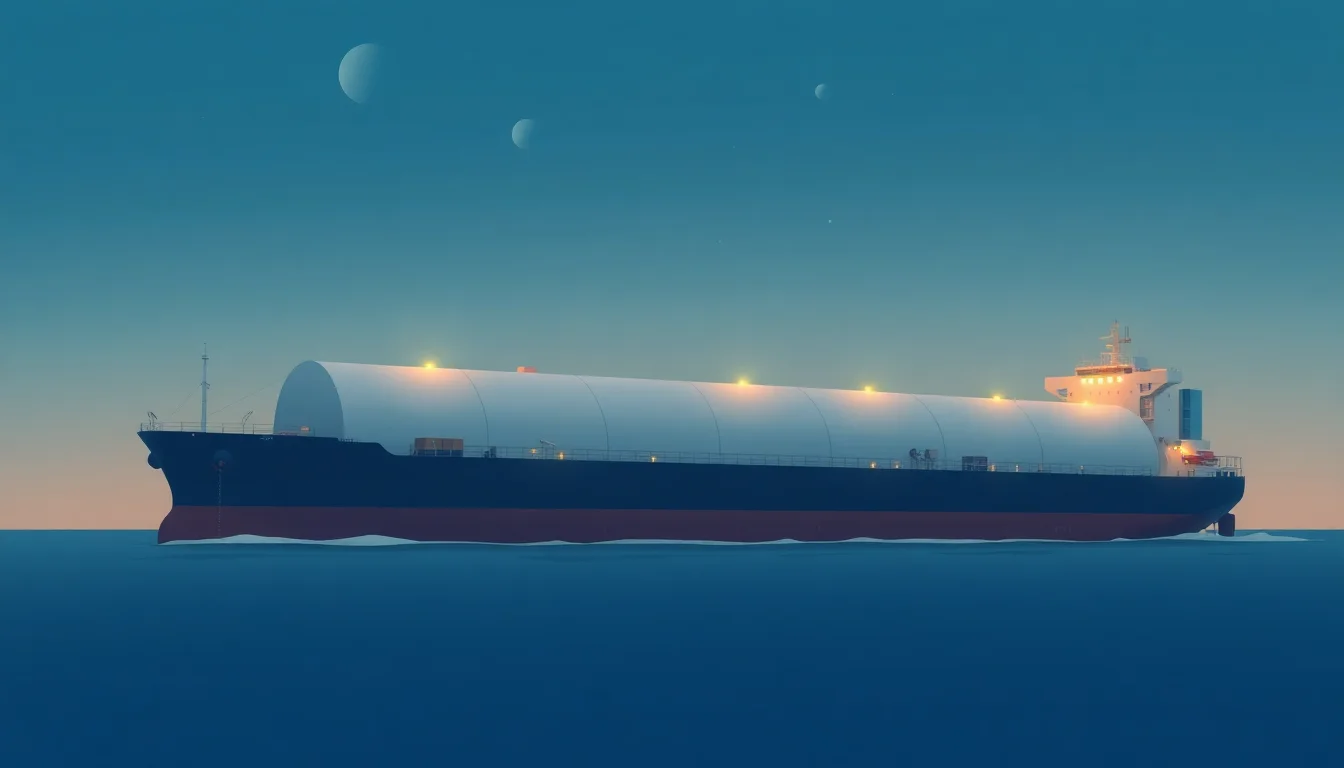
A tanker is a specialized type of ship designed to transport liquids or gases in bulk. Think of them as the colossal, floating pipelines of the global economy. Unlike general cargo ships that carry goods in containers, tankers are built with massive, integrated tanks to hold their liquid or gaseous payloads. Their primary function is to move vast quantities of commodities like crude oil, refined petroleum products, chemicals, and liquefied natural gas (LNG) across oceans. The sheer scale of these vessels means they are indispensable for international trade, enabling the efficient distribution of essential resources that power industries and heat homes worldwide. Without them, the modern global supply chain would simply grind to a halt.
🗺️ Types of Tankers & Their Cargo
The world of tankers is diverse, with different designs optimized for specific cargoes. crude oil tankers are the most common, hauling unrefined petroleum from extraction sites to refineries. product tankers then carry refined products like gasoline, diesel, and jet fuel to distribution terminals. chemical tankers are built with specialized coatings and segregated tanks to prevent contamination when carrying a wide array of industrial chemicals. For gases, LNG carriers and LPG carriers are crucial, featuring advanced cryogenic systems to maintain extremely low temperatures. The choice of tanker depends entirely on the cargo's properties, safety requirements, and the destination.
📈 The Global Tanker Market: Key Players & Trends
The global tanker market is a colossal, multi-billion dollar industry dominated by a few major players, though it's also characterized by a fragmented ownership structure. Companies like Frontline Ltd., Teekay Corporation, and Euronav NV are significant owners and operators of large tanker fleets. The market is highly cyclical, influenced by global oil demand, geopolitical events, and the balance between supply (number of available ships) and demand (amount of cargo to be moved). Freight rates, the price of hiring a tanker, can fluctuate dramatically, impacting profitability for owners and costs for charterers. Understanding these dynamics is key to grasping the economic pulse of maritime logistics.
💰 Chartering & Economics: How Tankers Make Money
Tankers generate revenue primarily through chartering, which is essentially renting out the vessel to a cargo owner. There are two main types: voyage charter, where the ship is hired for a specific journey, and time charter, where the ship is hired for a set period. The economics are driven by the daily charter rate, which is influenced by vessel size, age, market conditions, and the specific cargo. Owners must also account for operational costs, including fuel, crew, maintenance, and insurance. Profitability hinges on securing favorable charter rates and efficiently managing these expenses in a volatile market.
🌍 Environmental Impact & Sustainability Efforts
The environmental impact of tankers, particularly concerning oil spills, has been a major concern since high-profile disasters like the Exxon Valdez oil spill in 1989. Modern tankers incorporate double hulls and advanced spill prevention technologies to mitigate risks. The industry is also increasingly focused on sustainability, with efforts to reduce emissions through more fuel-efficient designs, alternative fuels like LNG as fuel, and operational optimizations. The push for decarbonization in shipping is a significant driver of innovation, aiming to balance the essential role of tankers with the urgent need to protect marine ecosystems.
🛠️ The Technology Behind Modern Tankers
Modern tankers are marvels of engineering, incorporating sophisticated technologies to ensure efficient and safe operation. Double hull construction is now standard for oil tankers, providing an extra layer of protection against leaks. Advanced navigation systems, including GPS and electronic chart display systems, aid in precise route planning. Engine technology has evolved for greater fuel efficiency and reduced emissions. Furthermore, sophisticated cargo management systems allow for precise control over loading, unloading, and ballast operations, crucial for maintaining stability and safety.
❓ Frequently Asked Questions About Tankers
What is the difference between a crude oil tanker and a product tanker? Crude oil tankers carry unrefined petroleum from extraction points to refineries, while product tankers transport refined petroleum products like gasoline and diesel from refineries to distribution centers. How are tanker freight rates determined? Rates are determined by supply and demand for vessels, vessel size and type, route, and global economic conditions. What are the largest types of tankers? The largest are Very Large Crude Carriers (VLCCs) and Ultra Large Crude Carriers (ULCCs), capable of carrying over 2 million barrels of oil. What are the main safety concerns with tankers? The primary concerns are collisions, groundings, and cargo leaks, which can lead to significant environmental damage and safety hazards. How is the environmental impact of tankers being addressed? Through double hull construction, improved operational procedures, stricter regulations, and the exploration of alternative fuels and cleaner technologies.
Key Facts
- Year
- 1886
- Origin
- The first purpose-built oil tanker, the Glückauf, was launched in 1886, marking a significant shift from using barrels to bulk transport.
- Category
- Maritime Logistics
- Type
- Vessel Type
Frequently Asked Questions
What is the difference between a crude oil tanker and a product tanker?
Crude oil tankers carry unrefined petroleum from extraction points to refineries, while product tankers transport refined petroleum products like gasoline and diesel from refineries to distribution centers. Their internal tank coatings and pumping systems are often different to accommodate the specific properties of the cargo.
How are tanker freight rates determined?
Rates are determined by the fundamental economic principles of supply and demand for vessels. Factors include the number of available ships, the amount of cargo needing transport, vessel size and type (e.g., VLCC, Suezmax), the specific trade route, and broader global economic conditions and geopolitical stability.
What are the largest types of tankers?
The largest tankers are Very Large Crude Carriers (VLCCs), typically carrying around 2 million barrels of crude oil, and even larger Ultra Large Crude Carriers (ULCCs), which can transport over 2 million barrels. These behemoths are designed for long-haul voyages between major oil-producing regions and consumption centers.
What are the main safety concerns with tankers?
The primary safety concerns revolve around the risk of collisions, groundings, and cargo leaks. These incidents can lead to severe environmental damage, such as oil spills, and pose significant risks to human life and maritime infrastructure. Strict adherence to safety protocols and advanced navigation systems are critical.
How is the environmental impact of tankers being addressed?
The industry is addressing environmental impact through multiple avenues. This includes mandatory double hull construction for oil tankers, improved operational procedures to prevent spills, stricter international regulations like MARPOL, and ongoing research and development into alternative fuels (e.g., LNG, methanol) and more fuel-efficient vessel designs.
What is a 'flag of convenience' in tanker shipping?
A 'flag of convenience' refers to a practice where a ship is registered in a country other than its owner's country of residence to reduce operating costs, avoid stringent regulations, and potentially benefit from lower taxes and labor costs. This practice is common in the tanker industry.